Nutrition In Food Poisoning
 Author: Karen Lennox
Time for reading: ~3
minutes
Last Updated:
August 08, 2022
Author: Karen Lennox
Time for reading: ~3
minutes
Last Updated:
August 08, 2022
CHAPTERS (Table Of Contents)
During food poisoning, it is important for the body to follow its natural reaction to cleanse the digestive tract.
Food poisoning usually occurs when consuming food or drinking water that is contaminated with pathogenic microorganisms (bacteria, viruses, fungi) or their toxins. Food poisoning is relatively common.
What steps should be taken after food poisoning?
After the onset of symptoms of food poisoning, such as vomiting, diarrhea and upset stomach, it is recommended that the stomach be allowed to rest. This means avoiding food and drink in general for a few hours.
Fluid intake is the next step, which is crucial in helping the body fight food poisoning. Vomiting and diarrhea can cause dehydration, so taking small sips of water or sucking on ice is a good starting point.
Sports drinks that contain electrolytes are the best way to prevent dehydration during recovery from intoxication. Other suggested liquids include decaffeinated tea, ginger ale, chicken or vegetable broth.
If you feel nauseous, you need to eat foods that are gentle on the stomach and gastrointestinal tract. Adherence to sweet foods low in fat and low in fiber is recommended. Fats are harder to digest, especially in disorders.
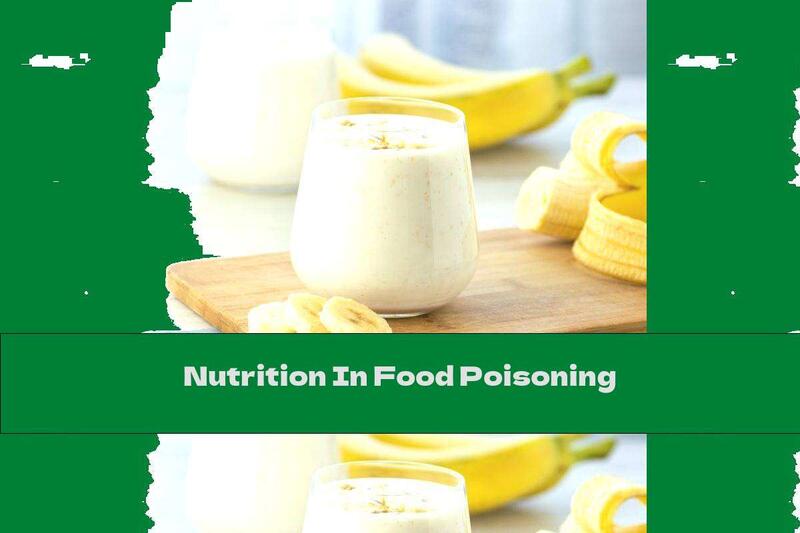
Foods that are light for the stomach include - bananas, cereals, egg whites, honey, jellies, oatmeal, peanut butter, mashed potatoes, apple puree, rice, crackers ...
During food poisoning, it is important for the body to follow its natural digestive tract cleansing reaction to rid itself of harmful agents. This is why over-the-counter diarrhea medications are not a good way to treat food poisoning.
While the symptoms are at their peak, it is advisable to drink ginger tea, as ginger is known to soothe the stomach.
Once the symptoms have disappeared, yogurt or probiotics can be consumed for at least 2 weeks to improve the gastrointestinal microflora . This helps the body restore the healthy bacteria lost in the cleansing of food poisoning.
Also, stomach acid, which is expelled during vomiting, can damage tooth enamel , and brushing them immediately after vomiting can further damage the enamel. Instead, the mouth can be rinsed with water and baking soda. It is necessary to delay brushing your teeth by at least one hour after vomiting.
What foods and beverages should be avoided?
The most important priority should be to avoid foods that have caused the disease . Food that is suspected of food poisoning should be discarded. Foods, beverages and substances that upset the stomach should be avoided, such as:
- Alcohol;
- Caffeinated beverages, energy drinks or coffee;
- Spicy foods;
- Foods high in fiber;
- Dairy products;
- Fried foods;
- Nicotine;
- Forged foods;
- Fruit juices
What causes food poisoning?
Five pathogens are responsible for most food poisonings:
- Norovirus, common in oysters, fruits and vegetables;
- Salmonella, common in eggs, meat and dairy products;
- Clostridium perfringens , found in meat;
- Campylobacter , found in raw meat and contaminated water;
- Staphylococcus is found in animal products such as cream, eggs and milk.
Salmonella and norovirus are responsible for most hospitalizations for food poisoning. But hospitalizations for food poisoning can also be caused by - parasites, mold, toxins, contaminants, allergens.
Poorly cooked meat and improperly processed products are common culprits for food poisoning. Washing hands, utensils and dishes are important between stages in food preparation.
Most people who experience food poisoning do not need to visit the hospital. Upset stomach, vomiting and diarrhea are the most common symptoms. They usually disappear after 48 hours. In the presence of dehydration, heart disease, embolism or other serious health problems, it is important to seek help and drink plenty of fluids.
Who is at higher risk of complications after food poisoning?
Food poisoning is as common in children as in adults and can be a cause for concern. Children, especially those under the age of 1, are susceptible to botulism . Botulism is rare but life-threatening if not caught early.
Children are also at greater risk of serious reactions to the bacterium E. coli .
Any baby or child suspected of having symptoms of food poisoning should be examined by a medical professional to rule out botulism and dehydration. Children are more easily dehydrated than adults and should be monitored closely.
Pregnant women should be wary of any suspicion of food poisoning. Food poisoning with listeria has been shown to harm fetal development.
Proper nutrition in pregnant women is essential to support the development of the fetus. For this reason, all signs of food poisoning should be checked by a doctor.
Elderly people are also more susceptible to complications from food poisoning. In particular, some strains of E. coli can lead to bleeding and kidney failure. If an adult over the age of 60 has symptoms of food poisoning, he should seek medical attention.
People who have chronic illnesses such as HIV, liver disease or diabetes are at greater risk of experiencing more serious complications from food poisoning. Patients receiving immune-suppressing treatment, such as chemotherapy, are also at greater risk.
Related Articles
- The Ultimate Guide to Hickory Smoked Bacon in Nutrition and Healthy Eating
- Fruitskewers in Honey Syrup: Nutritional Benefits and Recipes
- The Ultimate Guide to Buffer 500 in Nutrition: Benefits and Usage
- Nutritional Benefits of Fruit Skewers in Honey Syrup: A Delicious and Healthy Recipe
- Nutrition Guide: Fruitskewers in Honey Syrup - Benefits, Recipes, and More