Nutrition In Giardiasis
 Author: Ivan Red Jr.
Time for reading: ~1
minutes
Last Updated:
August 08, 2022
Author: Ivan Red Jr.
Time for reading: ~1
minutes
Last Updated:
August 08, 2022
CHAPTERS (Table Of Contents)
In this article, learn more about Nutrition In Giardiasis. Nutrition in giardiasis.
Giardiasis is a parasitic intestinal disease that can affect people of any age (animals and birds also suffer from it). Giardiasis affects the lining of the intestines and leads to digestive problems. In order to fight the microorganisms that cause this, the patient must organize his menu properly, because nutrition is the basis of treatment.
Infection can occur through:
- water (when visiting swimming pools, swimming in open water and by drinking contaminated drinking water);
- food (when consuming products that have not undergone quality heat treatment, as well as through poorly washed fruits and vegetables);
- contact-household way (in case of insect bites, non-observance of good personal hygiene).
Useful foods for giardiasis
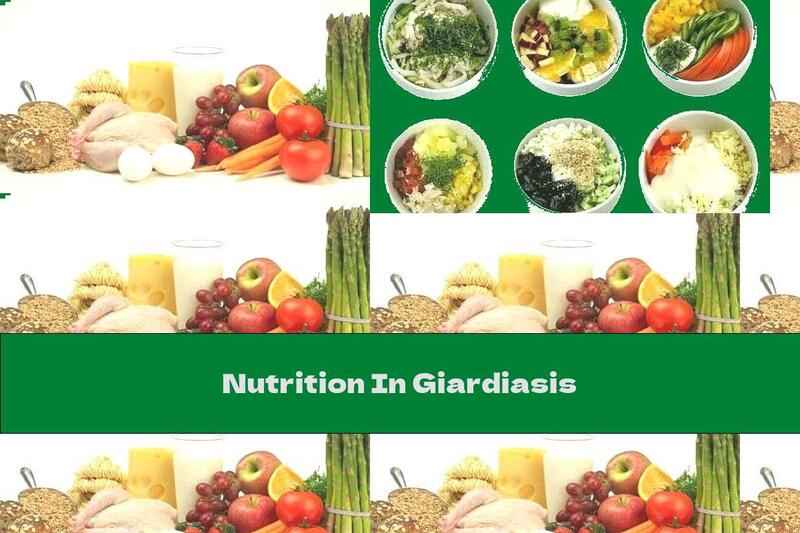
All products should be heat-treated (boiled, stewed, baked or steamed), meals should be 5-6 times a day, and portions small. During treatment, it is recommended to consume products that are easily absorbed. Yeah, they're like that:
- low-fat yogurt products - cottage cheese, cheese, yogurt, sour cream;
- sour fruits - citrus, kiwi, apples;
- foods high in protein of animal origin - eggs, lean meat, hard cheeses;
- dried fruit;
- cereals cooked in water - from barley, corn, buckwheat, wheat, oats;
- lean fish, chicken;
- blackcurrants, blueberries;
- green tea with lemon;
- freshly squeezed carrot and beet juice;
- birch sap ;
- sauerkraut;
- baked apples.
Harmful foods in giardiasis
In order for the therapy to be successful, it is necessary for the patient to give up the consumption of:
- butter dough and white bread pastries;
- confectionery, sweets;
- fatty fish and meat;
- legumes (processed for a long time and cause flatulence);
- semi-finished products;
- fresh milk (because it contains a lot of lactose );
- carbonated drinks;
- spicy spices, garlic, onions (irritate the gastric mucosa);
- nuts (can be replaced with pumpkin seeds);
- raw vegetables;
- sausages and smoked products;
- alcohol;
- fast food.
A few more recommendations:
- Sour fruits and drinks should be taken half an hour before the main meal.
- Drink up to two liters of fluids, fruit drinks are recommended.
- The broths should not be too concentrated when preparing soups.
- Replace bread with crackers or rusks.
About the menu
- Breakfast: oatmeal prepared with water, cranberry juice;
- Second breakfast: baked apples;
- Lunch: chicken soup (with weak broth), buckwheat porridge, chicken meatballs, apple compote;
- Afternoon snack: kefir / kefir and crackers;
- Dinner: steamed fish balls and mashed potatoes without milk, green tea and cheese.
The duration of the diet should be at least 3 months.
Related Articles
- The Ultimate Guide to Hickory Smoked Bacon in Nutrition and Healthy Eating
- Fruitskewers in Honey Syrup: Nutritional Benefits and Recipes
- The Ultimate Guide to Buffer 500 in Nutrition: Benefits and Usage
- Nutritional Benefits of Fruit Skewers in Honey Syrup: A Delicious and Healthy Recipe
- Nutrition Guide: Fruitskewers in Honey Syrup - Benefits, Recipes, and More
Top Nutrition Articles Today
- . Nutrition In Hyperopia (farsightedness)
- . The Role of Nitrogen in Nutrition: Importance and Sources
- . The Ultimate Guide to Chicken Nutrition: Importance, Benefit...
- . How To Whip Sour Cream With Sugar
- . How To Cook Lunch For School: Pizza, Salad, Raw Candy, Pear,...
- . 5 Recipes For Potato Casserole In The Oven
- . Cooking A Festive Dinner In A Slow Cooker
- . How To Make Easy Potato Salad
- . How To Fry A Potato With A Crust
- . Nutritional Benefits of Fruit Skewers in Honey Syrup: A Heal...