Nutrition In Malaria
 Author: Karen Lennox
Time for reading: ~1
minutes
Last Updated:
August 08, 2022
Author: Karen Lennox
Time for reading: ~1
minutes
Last Updated:
August 08, 2022
CHAPTERS (Table Of Contents)
In this article, learn more about Nutrition In Malaria. Nutrition in malaria.
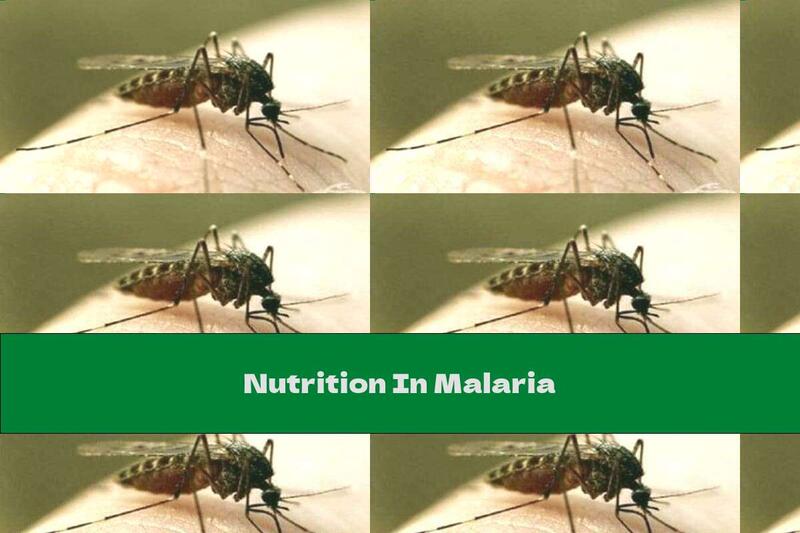
Malaria is an infectious disease that develops as a result of infection with Plasmodium falciparum. Carriers are mosquitoes of the genus Anopheles, inhabiting Africa, Southeast Asia and South America. Infection is possible during pregnancy, childbirth or transfusion of infected blood.
Signs:
- fatigue;
- drowsiness;
- headache;
- body aches;
- chills (bruising of the face, cold limbs);
- rapid heart rate;
- shallow breathing;
- fever (40-41 degrees);
- profuse sweating;
- periodic bouts of fever;
- enlargement of the spleen and liver;
- anemia;
- vomiting;
- excitement;
- shortness of breath;
- dizziness;
- collapse;
- confusion.
Complications of tropical malaria:
- infectious-toxic shock;
- malarial coma;
- pulmonary edema;
- acute renal failure;
- hemoglobinuria fever;
- death.
Healthy foods for malaria
In the presence of the infection it is necessary to adhere to different medical diets, depending on the stage and form of the disease.
In case of fever, diet №13 with plenty of fluids is recommended ; in quinine-resistant form of malaria - diet №9 plus increased intake of vitamins C, PP, B1. Between attacks of fever to follow a general restorative diet №15 .
- dried wheat bread from high quality varieties of flour, rusks;
- cream meat soup, skim fish and meat broths with noazets or egg flakes, slimy soups, rice soup, buckwheat, semolina, noodles, vegetables;
- lean meats and fish, steamed, in the form of souffles, purees, meatballs;
- lean fish, boiled or steamed;
- fresh cottage cheese, sour cream in the dishes, sour milk drinks, grated yellow cheese with a mild taste;
- oil;
- egg white omelette or soft-boiled eggs;
- semi-liquid porridges cooked with broth or fresh milk (rice, buckwheat, oatmeal);
- stewed or cooked vegetables prepared in the form of ragout, puree, steamed puddings, souffles (carrots, potatoes, cauliflower, beets, pumpkin);
- fruits and berries in the form of mousse, fresh juices diluted with water 1: 1, compotes, sour;
- light coffee, rosehip decoction, tea with lemon and fresh milk;
- fruit jam, sugar, honey, jam.
Dangerous and harmful foods in malaria
In case of fever attacks from the menu to exclude:- butter dough products, fresh bread, rye as well;
- fatty meats, fish, poultry;
- greasy broths;
- spicy appetizers;
- oil;
- smoked products;
- sausages;
- canned fish and meat;
- salted fish;
- fried and hard-boiled eggs;
- high-fat sour and liquid cream;
- pasta;
- barley porridge, millet;
- radishes, white cabbage, turnips;
- bean cultures;
- strong tea and coffee;
- alcoholic beverages.
Related Articles
- The Ultimate Guide to Hickory Smoked Bacon in Nutrition and Healthy Eating
- Fruitskewers in Honey Syrup: Nutritional Benefits and Recipes
- The Ultimate Guide to Buffer 500 in Nutrition: Benefits and Usage
- Nutritional Benefits of Fruit Skewers in Honey Syrup: A Delicious and Healthy Recipe
- Nutrition Guide: Fruitskewers in Honey Syrup - Benefits, Recipes, and More
Top Nutrition Articles Today
- . List of Foods that Contain Carrageenan: A Guide to Avoiding...
- . Herbs for Fibroids: Natural Remedies and Recipes for Fibroid...
- . Steak Label
- . The Nutritional Benefits of Yellow Maize: A Versatile Grain...
- . Subway Footlong Calories Chicken
- . High Lycopene Tomatoes
- . The Ultimate Guide to Bugs in Nutrition: Benefits, Types, an...
- . Foods High In Folate And B12
- . Persimmons - Benefits And Harms To Health
- . Nutrition For Edema: Diagnosis Of The Body And The Preparati...