Oregano - With Serious Antioxidant Properties
 Author: Nia Rouseberg
Time for reading: ~1
minutes
Last Updated:
August 08, 2022
Author: Nia Rouseberg
Time for reading: ~1
minutes
Last Updated:
August 08, 2022
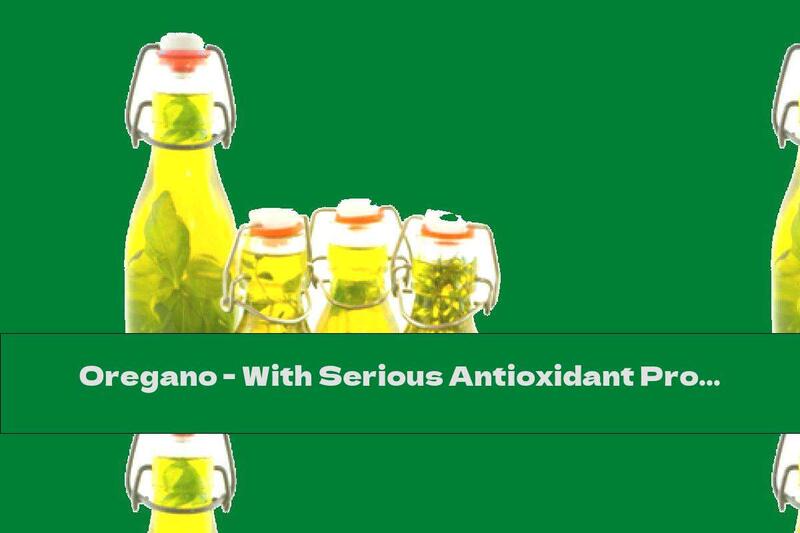
In this article, learn more about Oregano - With Serious Antioxidant Properties. Drying the herb does not affect its properties..
The name oregano means " mountain joy ", but "the scourge of bacteria " would be more appropriate. Why?
The volatile, aromatic oils of the spice include thymol and carvacrol , compounds that have been shown to inhibit bacterial growth, including potent pathogenic bacteria such as Pseudomonas aeruginosa and Staphylococcus aureus . In Mexico, oregano is prescribed to treat infections caused by another pathogen - Giardia lamblia . Doctors there concluded that a simple, unprocessed herb was more powerful than a mass-prescribed drug in such cases until a few decades ago.
Oregano is also an extremely potent antioxidant : one gram of the herb has 42 times higher activity as an antioxidant than apples, 12 times more than oranges and 4 times more than that of blueberries.
Plant is rich more of vitamin K , iron , fiber , calcium , tryptophan and vitamin E .
When possible, it is advisable to choose fresh over dried oregano, although the drying of the herb affects only its taste. The leaves of fresh oregano should be fresh green in color and not look wilted. There should be no dark spots or yellowing on them.
Fresh oregano can be stored in the refrigerator, wrapped in a piece of cotton cloth or frozen.
Freezing it requires it to be cut. Thus, it can be placed in ice molds and covered with a little water - then you can take out the cubes, ready for soups and broths.
If stored dry, it should be placed in a well-insulated container in a cool, dark and dry place. Thus, it remains in excellent condition for up to six months, after which its taste quickly begins to be lost, followed by healthy ones.
Related Articles
- Nutrition for Respiratory Health: Supporting Your Lungs with the Right Foods
- The Role of Sodium Methyl Para-Hydroxybenzoate in Nutrition: Preservative Properties & Health Concerns
- Nutritional Benefits of Dried Oregano: A Flavorful Addition to Your Diet
- Boost Digestive Health with Buffer 500 - Benefits & Recipes
- Boost Your Health with Buffer 500: Benefits, Recipes, and More
Top Nutrition Articles Today
- . Foods High In Folate And B12
- . Chicory: 15 Health Benefits, How To Drink, Contraindications...
- . Dishes From Neighboring Countries That We Love: Potato Panca...
- . What To Cook With Sweet Potato
- . The Ultimate Guide to Vitamin E in Nutrition: Sources, Benef...
- . The Essential Role of Copper (Cu) in Nutrition: Sources, Ben...
- . Nutritional Benefits of Pizza: Key Nutrients, Healthier Opti...
- . The Delicious and Nutritious World of Minibrownies: A Guide...
- . The Complete Guide to E339ii in Nutrition: Benefits, Regulat...
- . The Role of Samarium in Nutrition: Benefits and Food Sources