Parkinson's Disease
 Author: Victoria Aly
Time for reading: ~1
minutes
Last Updated:
August 08, 2022
Author: Victoria Aly
Time for reading: ~1
minutes
Last Updated:
August 08, 2022
CHAPTERS (Table Of Contents)
Parkinson's foods should be easy to swallow and high in fiber to stimulate bowel function.
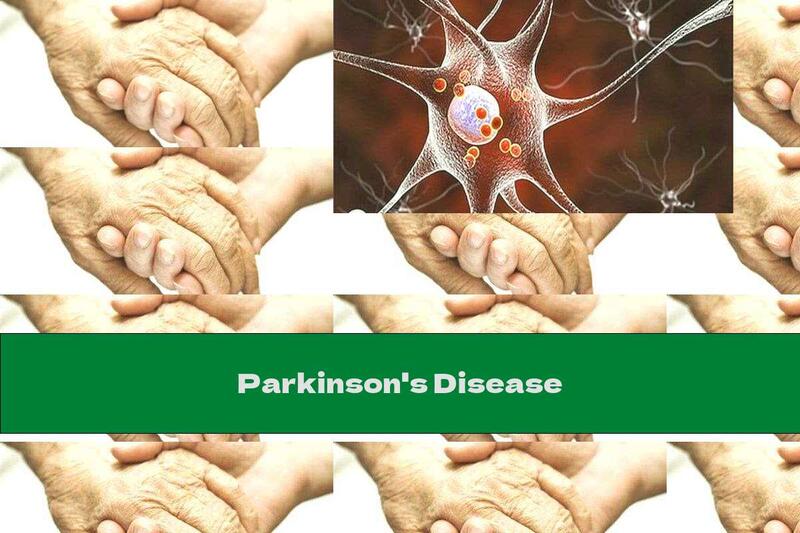
Parkinson's disease is a disease of the central nervous system, has a degenerative chronic nature, there is an inability of the patient to control his movements. Older people and the elderly most often suffer.
The causes of the disease are not clear, there are various theories and possible causes. This is not the subject of our topic, because now we will talk about the nutrition of people who have such a health problem.
Since a large percentage of them usually suffer from constipation, it is necessary for the menu to be rich in fiber contained in fruits and vegetables.
Many sufferers have problems chewing and swallowing food, so it must be cooked, stewed or steamed. Peel fruits and vegetables with hard skins.
You will also find the information in our articles useful: How to feed the brain? and How to feed the nerves ?
It is necessary to emphasize the consumption of:
- liver;
- eggs (boiled only or in the form of an omelet);
- butter;
- various counts;
- ice cream;
- yogurt, kefir;
- porridge (especially rice and buckwheat);
- cereals, corn;
- fish;
- beets;
- carrots;
- apples;
- prunes and apricots;
- berries;
- garlic and green spices.
Harmful foods in Parkinson's disease:
- fried and solid food;
- seeds and nuts;
- dry biscuits and pies;
- semi-finished products and various alaminutes;
- canned food, sausages, smoked products.
All the products listed above are not suitable because they lead to constipation, complicate the process of food intake.
- Diet and nutrition in Parkinson's
Related Articles
- Nutrition Guide: Diet for Fatty Liver and Alcohol-Induced Liver Disease
- Fatty Liver Disease Diet: Key Components, Foods to Include, and Meal Planning
- Fatty Liver Disease Diet: Key Principles, Foods to Include, and Meal Ideas
- Fatty Liver Disease Diet: Importance, Foods to Include and Avoid, Meal Plan
- Fatty Liver Disease Diet: Key Components, Foods to Include, and Meal Planning
Top Nutrition Articles Today
- . Nutrition In Cardiomyopathy
- . The Complete Guide to the Diabetic Diet: Key Components, Ben...
- . The Truth About Potato Chips: Health Effects and Alternative...
- . Sardines - Good For Bones
- . List of Foods that Contain Carrageenan: A Guide to Avoiding...
- . The Importance of Magnesium Chloride in Nutrition: Benefits...
- . Understanding Emulsifier E471: Functions, Health Concerns, a...
- . How To Deal With Cancer Overweight
- . The Ultimate Guide to Bolay Nutrition Calories: Balancing, M...
- . 7 Foods That Stimulate The Release Of Serotonin And Dopamine