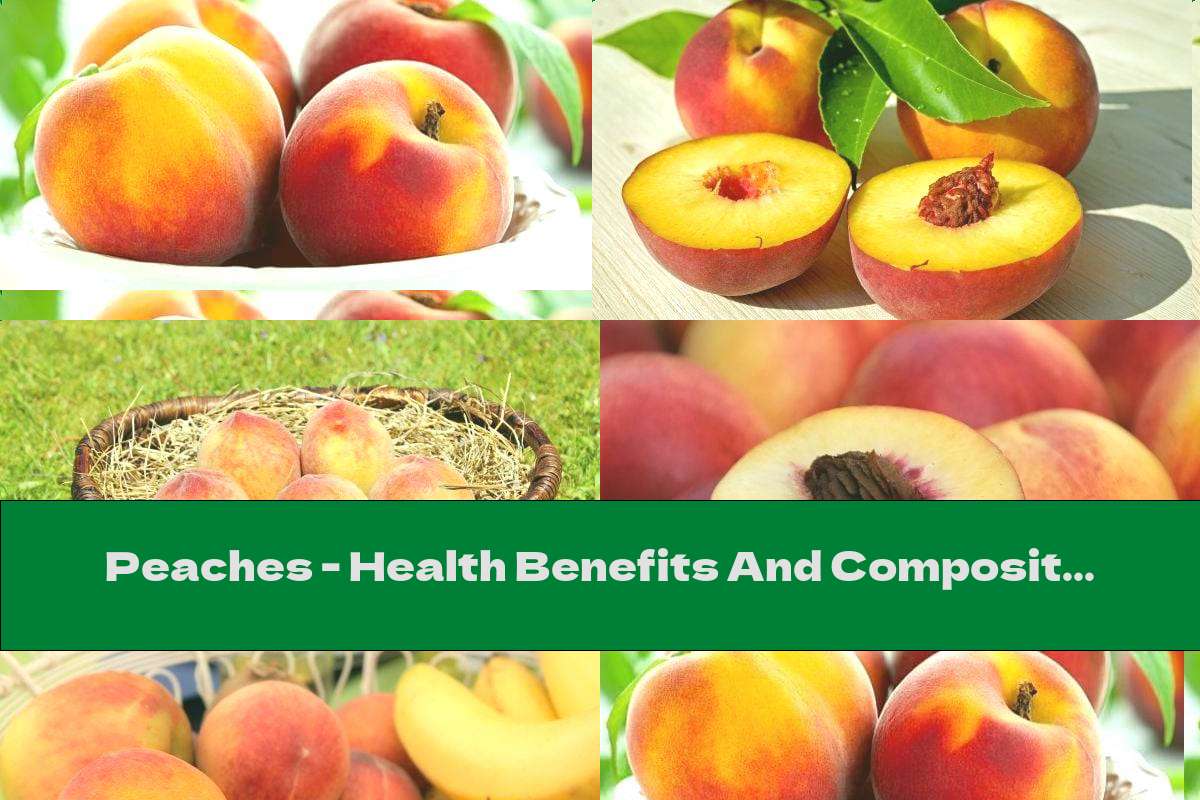
Peaches - Health Benefits And Composition
 Author: Nia Rouseberg
Time for reading: ~3
minutes
Last Updated:
August 08, 2022
Author: Nia Rouseberg
Time for reading: ~3
minutes
Last Updated:
August 08, 2022
CHAPTERS (Table Of Contents)
Peaches are rich in nutrients and beneficial compounds. They aid digestion and reduce inflammation
Peaches are very tasty, believed to have originated in China more than 8,000 years ago. They can be consumed alone or added to various dishes. Moreover - peaches are not only delicious fruits, they are also grown for their valuable medicinal and nutritional properties.
Nutritional value
Peaches are rich in many vitamins, minerals and beneficial compounds. Ripe peaches contain sugar (up to 15%), organic acids (quinine, malic, tartaric, citric), essential oil, minerals (potassium, calcium, iron, copper, etc.), ascorbic acid (vitamin C), vitamins from the group B, provitamin A, pectin. They contain a large amount of carotene, especially in the yellow varieties. Peach seeds contain oils with a characteristic almond aroma, essential oil (bitter - almond), glycoside amygdalin, which is the cause of this odor.
A medium-sized peach contains about 155 grams:
- 58 calories;
- 1 gram of protein;
- less than 1 gram of fat;
- 14 grams of carbohydrates;
- 2 grams of fiber;
- 17% of the daily requirement (DN) of vitamin C;
- 10% of DN vitamin A;
- 8% of DN potassium;
- 6% of DN niacin;
- 5% of DN vitamin E;
- 5% of the DV vitamin K;
- 5% of DN honey;
- 5% of DN manganese.
Peaches are recommended in the medical and dietary regime for various diseases. They have diuretic and mild laxative effects. Organic acids and essential oil contained inside the fruit stimulate gastric secretion, help improve digestion and increase appetite. The presence of minerals (iron, copper, etc.) make them useful in the treatment of anemia and gastritis. The inside of the peach also contains potassium salts,
which are indicated in heart rhythm disorders and other heart diseases.
Health benefits
Help digestion:Peaches support healthy digestion. One peach has about 2 grams of fiber - half of them soluble and the other half insoluble.
Insoluble fiber helps with bowel movements, thus protecting you from constipation.
And soluble fiber is food for beneficial bacteria in the gut. We have repeatedly said that the immune system is hidden in these bacteria, so good care for them is essential.
These bacteria produce short-chain acids that feed the cells in the intestines.
Short-chain fatty acids help reduce inflammation and improve the symptoms of digestive disorders such as Crohn's disease, irritable bowel syndrome and colitis.
They take care of heart healthRegular consumption of fruit increases heart health.
Peaches can lower the risk factors for developing high blood pressure and control cholesterol levels.
Prevention against some types of cancer
Peach, like many other plants, contains beneficial plant compounds that can increase protection against certain cancers. In particular, peach skin is rich in carotenoids and caffeic acid - two types of antioxidants that have been found to have anti-cancer properties.
Peaches are also full of polyphenols - antioxidants that limit the spread of cancer cells. The amount is about 2-3 peaches a day to provide a person with enough polyphenols.
A study on menopausal women consuming 2 peaches a day reduced the risk of developing breast cancer by 41%.
However, do not rely entirely on this fruit to protect you, more studies are needed to prove 100% efficacy of peach, but on the other hand, the method of prevention is very tasty and it is worth eating peaches regularly.
Reduce the symptoms of allergiesWhen the body is exposed to an allergen, it releases histamine, which helps the body get rid of the body. Histamine is part of the body's defense system and causes allergy symptoms such as sneezing, itching or coughing.
Studies show that peaches can help reduce allergy symptoms by preventing the release of histamines into the blood.
Contraindications
In rare cases, people are allergic to peaches and rather to the fluff that covers the skin of the fruit. If you do not feel unwell, after eating a peach, you can peel it using gloves.
Conclusion
Peaches are very tasty and useful and are a great source of vitamins during the summer months. The fruits are rich in vitamins, so they are recommended as a prophylaxis against colds, infectious diseases, beriberi; vitamins have an adaptogenic effect, ie. help the body adapt to adverse environmental conditions.
Related Articles
- The Power of Honeysuckle: Health Benefits and Recipes
- The Ultimate Guide to Hickory Smoked Bacon in Nutrition and Healthy Eating
- Fruitskewers in Honey Syrup: Nutritional Benefits and Recipes
- The Ultimate Guide to Buffer 500 in Nutrition: Benefits and Usage
- Nutritional Benefits of Fruit Skewers in Honey Syrup: A Delicious and Healthy Recipe
Top Nutrition Articles Today
- . Steak Label
- . Hydrochloric Acid in Nutrition: Importance, Effects, and Sup...
- . Breastfeeding A Baby With Low Blood Sugar
- . Eating 5 Meals A Day
- . The Role of Carbohydrates and Lipids in Nutrition: Importanc...
- . Nutrition In Urethritis (inflamed Urethra / Urethra)
- . List of Foods that Contain Carrageenan: A Guide to Avoiding...
- . The Truth About Potato Chips: Health Effects and Alternative...
- . Diet After Pancreatic Surgery
- . Optimizing Nutrition with Freestyle Libre: Benefits, Meal Pl...