Porridge
 Author: Alexander Bruni
Time for reading: ~3
minutes
Last Updated:
August 08, 2022
Author: Alexander Bruni
Time for reading: ~3
minutes
Last Updated:
August 08, 2022
CHAPTERS (Table Of Contents)
Delicately sweet and crunchy, delicious cashew nuts provide our body with energy, antioxidants, minerals and vitamins that are essential for our health.
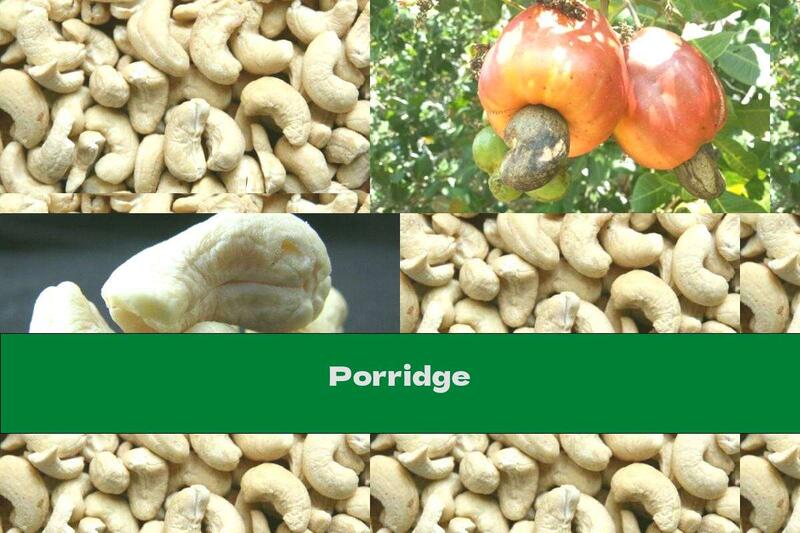
Delicately sweet and crunchy, delicious cashew nuts provide our body with energy, antioxidants, minerals and vitamins that are essential for our health. They grow on a medium-sized evergreen tropical tree of the family Anacardiaceae, genus Anacardium with the scientific name Anacardium occidentale. It is native to Brazil and more specifically to the Amazon rainforest, and today is grown commercially in Brazil, Vietnam, India and many African countries.
The tree bears numerous edible pear-shaped fruits, and the cashew nuts are firmly attached to their lower part. The outer shell releases phenolic resin, which is a powerful and skin-irritating toxin. For this reason, in the processing shops, the casing is first baked over a high heat, after which the stone is opened to remove the nut.
The cashew nut is about 1.5 centimeters long, kidney-shaped and has curved pointed tips. Each nut is divided into two equal halves. It has a light cream color, delicate texture and smooth surface.
Composition and useful properties
Cashews are high in calories. 100 grams of nuts contain 553 calories. They are rich in soluble dietary fiber, vitamins, minerals and numerous health-promoting phytochemicals that protect the body from many diseases, including cancer.
Cashew nuts are rich in monounsaturated fatty acids such as oleic and palmitoleic, which are friends of the heart. These essential fatty acids lower harmful LDL-cholesterol and increase good HDL-cholesterol in the blood. Research shows that a Mediterranean diet rich in monounsaturated fatty acids significantly reduces the risk of coronary heart disease and stroke because it promotes a healthy blood lipid profile.
Cashews contain an abundance of minerals, especially manganese, potassium, copper, iron , magnesium, zinc and selenium, which are in particularly high concentrations. A handful of raw nuts a day will provide you with enough of these vital minerals, preventing the onset of many diseases. Selenium is an important trace element that functions as a cofactor for antioxidant enzymes, such as glutathione peroxidase - one of the most powerful antioxidants in the body. Copper is a cofactor for many vital enzymes, including cytochrome oxidase and superoxide dismutase. Zinc is a cofactor for many enzymes that regulate growth and development, gonadal function, digestion and DNA synthesis.
Cashew nuts are a good source of important vitamins such as pantothenic acid (vitamin B5), pyridoxine (vitamin B6), riboflavin and thiamine (vitamin B1). 100 grams of nuts provide 0.147 milligrams or 32% of the daily recommended intake of pyridoxine, which significantly reduces the risk of homocystinuria and sideroblastic anemia.
On the other hand, niacin helps prevent pellagra or dermatitis. Also, these vitamins are essential for the metabolism of proteins, fats and carbohydrates at the cellular level.
Cashews also contain small amounts of zeaxanthin - an important flavonoid antioxidant that maintains eye health, protecting the eye macula from degeneration in the elderly.
Cashew nuts are available all year round on the market. They are uncoated because it contains phenolic resin, which irritates the skin. You can choose between raw or baked, salty or sweet, but you must pay attention to the color - it should be creamy white, and the nut should not have cracks or dark spots.
Store the cashews in an airtight container in the refrigerator. Under ideal conditions, fresh nuts will be stored for 5-6 months.
How is cashews consumed?
Cashews have a crispy and oily texture with a pleasant sweet fruity aroma. You can eat them for breakfast, add them to salads, side dishes or main dishes or use them in various cake recipes.
The fruit is edible and is consumed in many regions of the world. It is also used to make healthy drinks.
Contraindications
Allergy to cashew nuts is common, especially in children. Symptoms can range from itchy skin (hives) to severe anaphylactic symptoms, including breathing problems, abdominal pain, vomiting and diarrhea.
Allergic manifestations are due to the chemical compound urushiol, which is contained in fruits, stones and nuts.
Related Articles
- What Is Porridge For Children And Why Do They Need It
- Chic Dishes With Prunes: Salad, Porridge, Soup And Casserole
- Cooking Dishes With Nuts: Salad, Porridge, Rolls And Cream Soup
- Cooking In Nature: Field Porridge, Potatoes, Fish Soup, Steak And Grilled Pita Bread
- Cooking Porridge: Cooking Secrets And Tricks (cool Recipes!)
Top Nutrition Articles Today
- . Foods Containing Carrageenan: A Comprehensive Guide for Your...
- . The Fibroid Diet: Nutrition Strategies for Managing Fibroids
- . How To Cook Pork Liver And Mushrooms In Cream Sauce With Che...
- . The Truth About Potato Chips: Health Effects and Alternative...
- . The Ultimate Guide to Flour in Nutrition: Types, Benefits, a...
- . E551: The Food Additive You Should Know About
- . Medicinal Drinks For Colds
- . Foods For A Regular Stomach
- . List of Foods that Contain Carrageenan: A Guide to Avoiding...
- . The Ultimate Guide to Creating a Well-Structured Diet Plan f...