Product Compatibility - Part One
 Author: Marko Balašević
Time for reading: ~1
minutes
Last Updated:
August 08, 2022
Author: Marko Balašević
Time for reading: ~1
minutes
Last Updated:
August 08, 2022
CHAPTERS (Table Of Contents)
Including healthy foods in the menu is not enough to create a good diet. You need to be able to combine them correctly. You will learn how to do this from a series
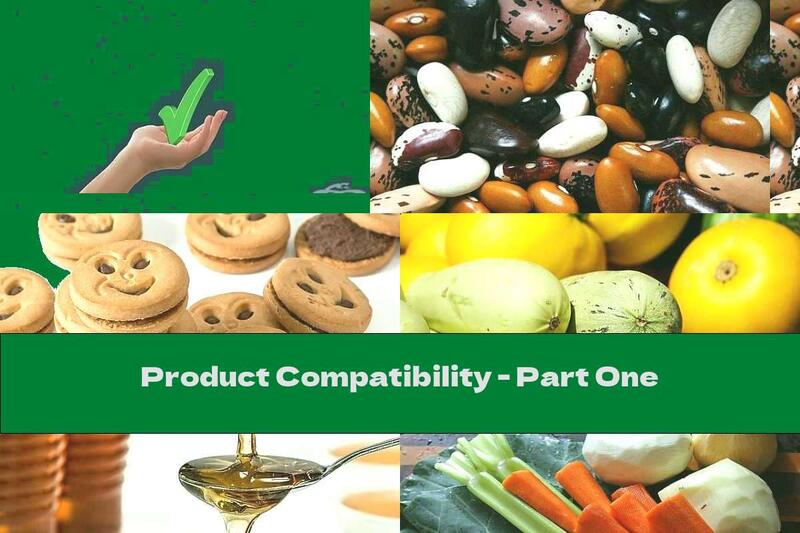
Including healthy foods in the menu is not enough to create a good diet. We need to be able to combine them correctly . For the processing of different groups of nutrients, the body produces different substances. Therefore, in order to facilitate its absorption, similar products should be taken at the same time. How to do this, we will learn from the following articles. Let's first look at the different food groups.
Main groups of products according to nutritional composition
ProteinProducts high in protein are nuts and seeds, all grains, legumes, mushrooms and eggs. This group includes all foods of animal origin, except bacon and butter. Among vegetables, eggplant is defined as protein.
Carbohydrates
The group of carbohydrates includes all sweets and pastries, sweet fruits and foods containing starch.
Starch
Starch is found in wheat, barley, rye, oats, as well as pumpkin and zucchini.
Zachary
The group of sugars includes all jams, syrups and honey.
Foods with moderate starch content
Products in the composition of which the presence of starch is moderate are root crops and cauliflower.
Fat
The group of fats includes all types of vegetable fats, including animal fats (butter, melted butter, fat, high-fat types of cream).
Sweet fruits
Dried fruits, grapes, persimmons, figs, dates are defined as sweet fruits.
Sour fruits
Sour fruits include all citrus fruits, sour grapes and apples, plums and tomatoes.
Semi-sour fruits
Dried figs, apples, peaches, pears, cherries, strawberries, blackcurrants are categorized as semi-sour fruits.
Leafy and starch-free vegetables
All vegetables of any color, for example: parsley, spinach, celery, sorrel, leeks, cabbage, peppers, turnips, garlic, asparagus and others do not contain starch in their composition.
In the second part we will continue with the combination of different food groups, determining whether it is appropriate or not, and why.
- Basic principles for transition to healthy (separate) nutrition
- How to properly combine food - Part two
Related Articles
- The Importance of Accessible Vegetarian Products: Health Benefits & Tips
- The Importance of Accessible Vegetarian Products: Tips for Finding Nutritious Options
- The Importance of Accessible and Nutritious Products in a Vegetarian Diet
- The Ultimate Guide to Accessible Vegetarian Products for a Balanced Diet
- The Ultimate Guide to Accessible Vegetarian Products: Benefits, Types, and Recipes
Top Nutrition Articles Today
- . Foods Containing Carrageenan: A Comprehensive Guide for Your...
- . The Fibroid Diet: Nutrition Strategies for Managing Fibroids
- . How To Cook Pork Liver And Mushrooms In Cream Sauce With Che...
- . The Truth About Potato Chips: Health Effects and Alternative...
- . The Ultimate Guide to Flour in Nutrition: Types, Benefits, a...
- . E551: The Food Additive You Should Know About
- . Medicinal Drinks For Colds
- . Foods For A Regular Stomach
- . List of Foods that Contain Carrageenan: A Guide to Avoiding...
- . The Ultimate Guide to Creating a Well-Structured Diet Plan f...