Pumpkin Seeds - Benefits And Contraindications
 Author: Leticia Celentano
Time for reading: ~6
minutes
Last Updated:
January 27, 2026
Author: Leticia Celentano
Time for reading: ~6
minutes
Last Updated:
January 27, 2026
CHAPTERS (Table Of Contents)
Pumpkin seeds are a rich source of protein, vitamins, minerals, antioxidants and useful fats that help fight many diseases. They help with diabetes, heart disease and other diseases.
Pumpkin seeds are a rich source of beneficial elements for the body. They contain almost the entire Mendeleev table, so they help us in the fight against many diseases. They contain iron, phosphorus, copper, zinc, manganese, vitamins A, B, C, D, K, amino acids and a large amount of vitamin E, which is a natural antioxidant. The presence of a high percentage of proteins, fats and carbohydrates, along with the fiber in these seeds, increases their useful properties and their role in a balanced diet.
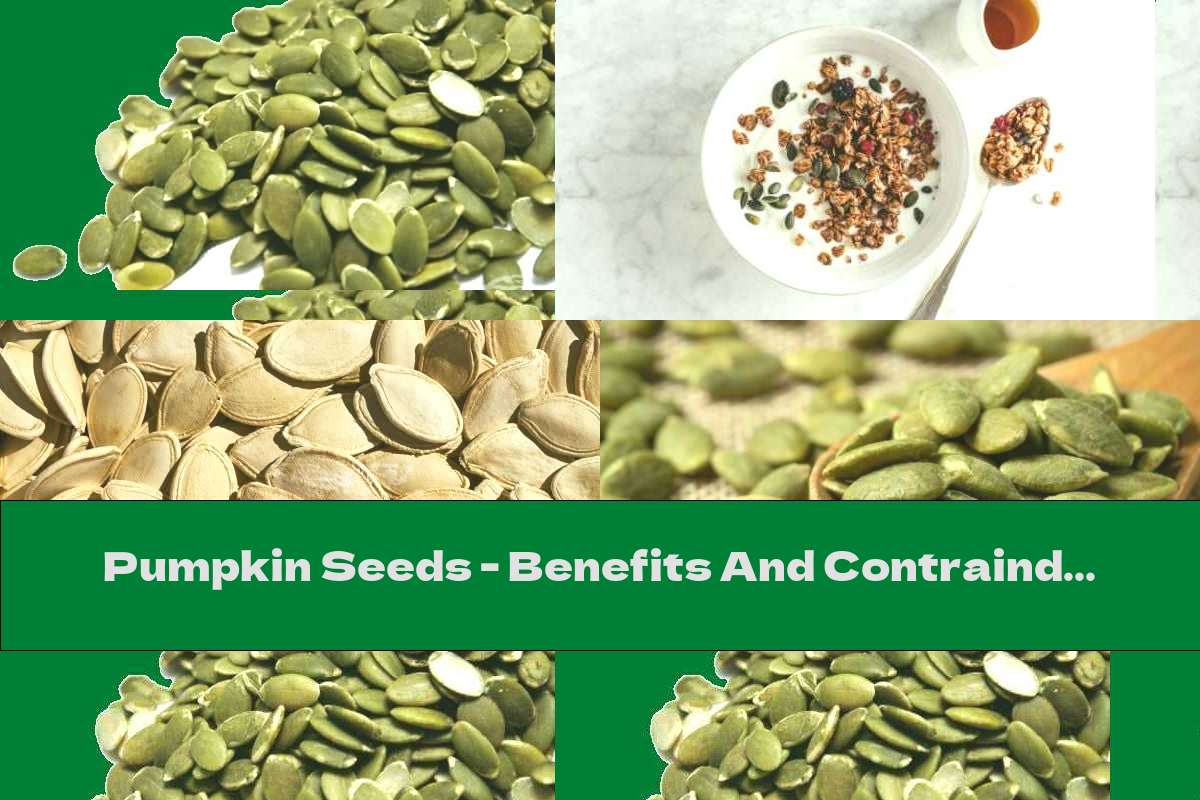
The seeds can be eaten raw, roasted, salted or unsalted; to be added to smoothies, yogurt, fruit salads, desserts, salads, cereals, pastries. Some people use pumpkin seeds in baking cakes, biscuits and bread, and are also used to decorate cakes.
Nutritional composition of pumpkin seeds
Peeled pumpkin seeds are green, flat and oval. One serving of 28 grams has approximately 151 calories, mainly from fat and protein. Here's what else is in a serving:
- 5 grams of carbohydrates;
- 1.7 grams of fiber;
- 7 grams of protein;
- 13 grams of fat (of which 6 grams of omega-6 fatty acids);
- vitamin K - 18% of the daily requirement (DP *);
- phosphorus - 33% of (DP *);
- manganese - 42% of (DP *);
- magnesium - 37% of (DP *);
- iron - 23% of (DP *);
- zinc - 14% of (DP *);
- honey - 19% of (DP *).
The seeds contain decent amounts of polyunsaturated fatty acids, potassium, vitamin B2 (riboflavin) and folate (vitamin B9). They are a rich source of antioxidants, such as vitamin E and carotenoids, which can reduce inflammation and protect cells from free radical damage. Therefore, eating foods rich in antioxidants can help prevent many diseases. High levels of these substances are thought to reduce inflammation in arthritis. Pumpkin seeds and their oil contain many useful nutrients and plant compounds, which have been shown to provide many benefits to human health.
Useful properties of pumpkin seeds
It is known that raw pumpkin seeds are widely used in folk medicine against worms . Unlike medicines, the product is useful and non-toxic, there are no contraindications and side effects. In fact, there is one toxin in its composition - it is cucurbitin, but it is dangerous for worms, not humans.
Vegetarians prefer pumpkin seeds because of the protein in them, necessary for nutrition and maintaining the overall health of the body. They are also rich in other nutrients and minerals.
Zinc is of great importance for human health, because its deficiency in the body leads to the appearance of acne on the face, baldness or lack of healthy and shiny hair, as well as changes in the work of taste buds. Along with phosphorus, this element supports brain activity and blood circulation. It is especially important for men because it prevents and stops the development of prostate cancer. Pumpkin seeds are also extremely important for men who lead an inactive lifestyle and engage in mental work.
Phosphorus and zinc play an important role in the activity of the gastrointestinal tract, musculoskeletal system, are responsible for vision and reproductive function.
1. Improve the activity of the cardiovascular systemIt has been scientifically proven that frequent consumption of pumpkin seeds has a beneficial effect on the cardiovascular system. The large amount of iron in them purifies the blood, and amino acids are useful for blood vessels. Pumpkin seeds improve the structure of the skin, regulate the work of sebaceous glands, eliminating acne and dandruff. The product contains various high quality vegetable oils containing unsaturated and saturated fatty acids. This is the reason for the property of pumpkin seeds to lower blood cholesterol levels, regulate heart rate, control cellular mechanisms, prevent harmful effects on them, help their regeneration and renewal, recharging energy and stopping the aging process.
Studies have shown that the ability of pumpkin seeds to increase the generation of nitric oxide in the body may be responsible for its positive effects on heart health. Nitric oxide helps dilate blood vessels, improving blood flow and reducing the risk of plaque in the arteries.
2. Prevention of cancerDiets that include larger amounts of pumpkin seeds are associated with a reduced risk of developing cancer of the stomach, breast, lung, prostate and colon. A study found that their consumption is associated with a reduced risk of breast cancer in menopausal women. Other studies suggest that lignans in pumpkin seeds may play a key role in preventing and treating breast cancer.
3. Help with bladder problemsPumpkin seeds can help relieve the symptoms of benign prostatic hyperplasia - a condition in which the prostate gland enlarges, causing problems with urination. Several human studies have found that consuming these seeds reduces the symptoms associated with this disease and improves quality of life. Other studies have found that taking pumpkin seeds or their products as supplements can help treat symptoms of overactive bladder. Even writing in children can be cured only with the help of pumpkin seeds.
4. Rich source of magnesiumPumpkin seeds are one of the best natural sources of magnesium - a mineral that is often missing in the diets of many Western countries. Magnesium is needed for more than 600 chemical reactions in the human body. Adequate magnesium intake is important for: controlling blood pressure; reducing the risk of heart disease; forming and maintaining healthy bones; regulation of blood sugar levels.
5. Help with diabetesThe results of several studies show the beneficial properties of pumpkin seed powder and pumpkin juice in lowering blood sugar levels in people with type 2 diabetes.
Seeds are a great source of dietary fiber. Peeled, they deliver 1.1 grams per 28 gram serving. A high-fiber diet can promote good digestive health.
6. Improves male fertilityLow zinc levels are associated with reduced sperm quality and an increased risk of infertility in men. Because pumpkin seeds are a rich source of zinc, they can improve sperm quality. The high content of antioxidants and other nutrients in the seeds also contribute to healthy testosterone levels and improve overall health. All these factors have a positive effect on fertility and reproductive function, especially in men.
7. Fight insomnia and improve sleep qualitySeeds are a natural source of tryptophan - an amino acid that helps with insomnia. It is believed that taking 1 gram of this amino acid daily improves sleep. However, you need to eat about 200 grams of pumpkin seeds to get the necessary amount of tryptophan, which, of course, is not necessary, as there are other dietary sources of the amino acid. The zinc in the seeds helps convert tryptophan into serotonin, which is converted to melatonin, a hormone that regulates the sleep cycle. Seeds are an excellent source of magnesium, which also helps improve sleep quality.
Risks and contraindications from the consumption of pumpkin seeds
Pumpkin seeds contain phytic acid, which can reduce the bioavailability of certain nutrients consumed by humans. If you eat seeds and nuts regularly, it is advisable to soak or bake them to reduce the phytic acid content in them.
Due to the high fiber content, consuming very large amounts of pumpkin seeds can cause gas and bloating, as well as constipation. Most people eat in moderation without experiencing any of the negative side effects. It should be borne in mind that the seeds are high in calories and fat, as 1 cup contains about 285 calories and 12 grams of fat. Regular intake of too large portions can lead to weight gain.
- Pumpkin seed milk
Related Articles
- The Power of Honeysuckle: Health Benefits and Recipes
- Fruitskewers in Honey Syrup: Nutritional Benefits and Recipes
- The Ultimate Guide to Buffer 500 in Nutrition: Benefits and Usage
- Nutritional Benefits of Fruit Skewers in Honey Syrup: A Delicious and Healthy Recipe
- Nutrition Guide: Fruitskewers in Honey Syrup - Benefits, Recipes, and More
Top Nutrition Articles Today
- . Breakfast Pizza
- . Night Nutrition: Importance, Benefits, and Best Foods to Eat
- . The Ultimate Guide to Metataric Acid in Nutrition: Sources,...
- . Calories In A Piece Of Bread
- . Health Benefits Of Vitamin C
- . Sushi For Beginners. How Easy It Is To Spin Sushi Rolls
- . How To Cook Spicy Green Tea With Turmeric, Lemon Juice And G...
- . The Essential Guide to Nutrients in Nutrition: Importance an...
- . When Is It Better To Eat Fruit?
- . How To Cook Mini Sandwiches With Cherry Filling - Recipe