Quinoa Or Rice - What Are The Benefits Of Quinoa?
 Author: Victoria Aly
Time for reading: ~2
minutes
Last Updated:
August 08, 2022
Author: Victoria Aly
Time for reading: ~2
minutes
Last Updated:
August 08, 2022
CHAPTERS (Table Of Contents)
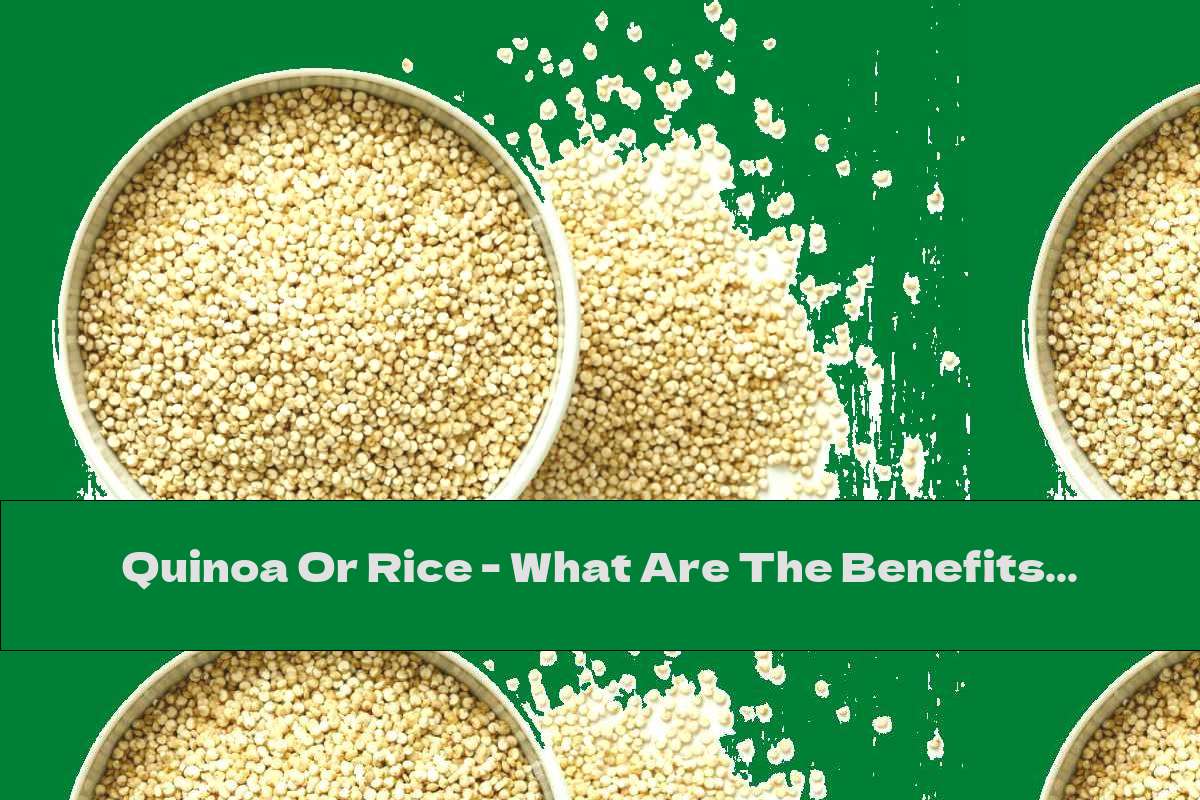
Quinoa contains many times more amino acids and minerals and fewer calories than rice.
In the conditions of growing interest in healthy eating and reducing calorie intake, quinoa deservedly gains more and more fame. As an addition to salads or even as a main dish, it is now more preferred than rice in its various varieties, including brown. In-depth studies of the composition of quinoa show that these trends are not accidental, and it really has its advantages over rice crops.
Fewer calories
Even brown and black rice, which are said to be the least caloric among rice crops, contain more of them than the same amount of quinoa.
Higher protein and fat content and less carbohydrates
The content of the three main types of nutrients in quinoa is much more useful than in rice. It contains about 2 times more protein, a little more fat and about 20% less carbohydrates than rice. Quinoa is one of the very few crops that contains the full combination of essential amino acids - something that applies primarily to animal foods. In addition, the ratio of protein to carbohydrates in quinoa is very favorable. This makes it an excellent source of energy for diabetics and other people who want to reduce their carbohydrate intake without the need for starvation. Quinoa has a low glycemic index and does not lead to sharp rises in blood sugar.
Provides long-lasting satiety
Quinoa also has a higher fiber content than rice. This allows it to keep longer satiety after consumption. In low-calorie conditions, this effect makes it more useful than all rice crops.
Richer in antioxidants
Quinoa contains a large amount of polyphenols - organic substances with powerful antioxidant action. In addition, there is evidence that the consumption of quinoa helps to more effectively restore other types of antioxidants in the body to more completely neutralize free radicals.
Higher content of microelements and other organic ingredients
Quinoa has a naturally high content of betaine - an amino acid that plays an important role in the liver and detoxification of the body. The amount of betaine in a given volume of quinoa is about 800 times higher than in the same volume of rice, regardless of its type.
The content of some important microelements in quinoa is many times higher. It is much richer in magnesium, potassium, iron and others.
It is clear that the great popularity of quinoa in recent years is not accidental. It offers a very useful alternative not only to rice, but also to all other cereals and cereals to obtain nutrients in much higher doses.
Related Articles
- The Power of Honeysuckle: Health Benefits and Recipes
- Fruitskewers in Honey Syrup: Nutritional Benefits and Recipes
- The Ultimate Guide to Buffer 500 in Nutrition: Benefits and Usage
- Nutritional Benefits of Fruit Skewers in Honey Syrup: A Delicious and Healthy Recipe
- Nutrition Guide: Fruitskewers in Honey Syrup - Benefits, Recipes, and More