Radish - Nutritional Value And Useful Properties
 Author: Leticia Celentano
Time for reading: ~3
minutes
Last Updated:
August 08, 2022
Author: Leticia Celentano
Time for reading: ~3
minutes
Last Updated:
August 08, 2022
CHAPTERS (Table Of Contents)
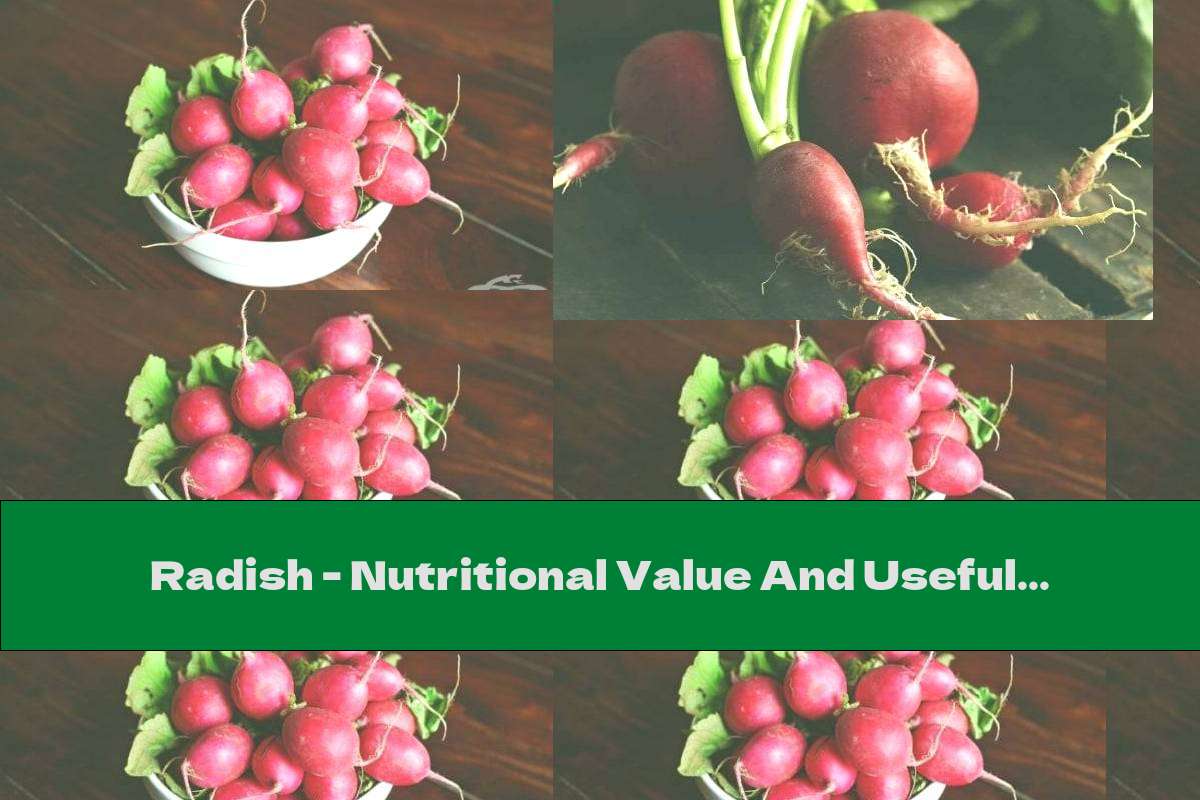
Radish is a low-calorie vegetable that stops the deposition of fat and improves metabolism. They have a peppery taste, and some varieties even sweet.
Radishes are small but very useful. If you want to lose a few pounds, then they should become part of your diet. They are low in calories, stop fat deposition and improve metabolism. Thanks to the cellulose contained in their composition, they help to remove toxins, slag and cholesterol from the body. By amount of fiber, they rank next to garlic, beets, tomatoes, cabbage and similar turnips.
This vegetable is useful because it contributes to the structure of cells in the body. The protein content in them is 2 times more than in tomatoes, pumpkin, eggplant and zucchini. They are used to treat many conditions, such as fever, sore throat, biliary disorders and inflammation.
They are root vegetables of the cruciferous family, along with broccoli, kale, cauliflower, cabbage and turnips. They grow in many different shapes and colors. There are different varieties in white, purple, bright red or black. They can be large and oblong in shape. Most have a peppery taste, although some may be sweet. Lighter colored varieties such as white winter radish Daikon have a milder taste. They become too sharp in taste if left in the ground for too long or not eaten immediately. Smaller radishes have the best taste and texture.
Nutritional value
In 1/2 tea cup of raw and chopped radishes there are:
- 12 calories
- 0.35 grams of protein
- 2 grams of carbohydrates
- 1 gram of fiber
- Potassium - 135 milligrams
- Folic acid - 16 milligrams
Other useful substances contained in them are sugars; fats; enzymes; vitamins B1, B2, C, PP; salts of sodium, potassium, magnesium, phosphorus, calcium, iron; mustard oil with antiseptic properties.
Health benefits
They are effective in the prevention of diabetes in people predisposed to the development of this disease. Stabilize blood sugar levels.
Thanks to the natural dye anthocyanin, radishes are part of the prevention against cancer.
With a cold, they help to heal faster.
1. They are healthyServing 1/2 cup sliced radish contains about 12 calories and almost no fat, so it will not affect the diet particularly. They are perfect for a snack and are a good source of vitamin C. Only 1/2 cup has 14% of the body's daily need for this vitamin. It is known to be a powerful antioxidant that helps fight free radicals in the human body and prevent cell damage caused by aging, unhealthy lifestyles and environmental toxins. This vitamin also plays an important role in the production of collagen, which maintains healthy skin and blood vessels.
Radishes contain small amounts of potassium, folic acid, riboflavin, niacin, vitamin B6, vitamin K, calcium, magnesium, zinc, phosphorus, copper, manganese and sodium.
2. They have anti-cancer propertiesEating cruciferous vegetables like these can help prevent cancer. Cruciferous vegetables contain compounds that degrade to isothiocyanates when combined with water. Isothiocyanates help cleanse the body of cancer-causing substances and prevent the development of tumors.
3. Improve digestionIn 1/2 cup of radish there is 1 gram of fiber, which prevents constipation, helps manage blood sugar levels, lowers cholesterol and lose weight.
The leaves of this vegetable are very useful for good digestion. Radish juice in combination with carrot juice helps prevent stomach ulcers by protecting stomach tissue. It also strengthens the mucous barrier, which protects the stomach and intestines from microorganisms and toxins that cause ulcers and inflammation.
4. They have antifungal propertiesRadishes have natural antifungal properties. They contain the antifungal protein RsAFP2, which destroys the common fungus Candida albicans in the human body. When it grows, it can cause vaginal bicuspid infections, oral yeast infections (thrush) and invasive candidiasis.
5. Reduces the risk of reproductive problemsZeralenonon (zen) is a toxic fungus that enters many corn crops and animal feed. It is associated with reproductive problems in animals and humans, although the risk to humans is considered low.
Use in cooking
Radishes are traditionally added to salads, but can be a very good addition to sandwiches, sauces, tacos, burgers and steaks. They can be eaten raw, boiled, marinated or sauteed with olive oil and garlic. They are delicious in combination with turnips, kale and spinach. The dip of radishes with yoghurt, garlic and red wine vinegar is fragrant and tasty.
Contraindications
If you suffer from stomach diseases, you should limit the consumption of this vegetable to once a week, because it can cause an exacerbation of the problem. Radishes are generally safe to eat, but as with all other products you should not overdo the quantities, especially if you have thyroid problems. The cyanogenic glycosides contained in them can damage the thyroid gland and lead to goiter. To insure against this, boil the vegetables before use.
Their consumption by people who have gallstones should be avoided, as bile production may increase.
Related Articles
- Fruitskewers in Honey Syrup: Nutritional Benefits and Recipes
- Nutritional Benefits of Fruit Skewers in Honey Syrup: A Delicious and Healthy Recipe
- Nutritional Benefits of Fruit Skewers in Honey Syrup: A Healthy and Delicious Snack
- The Role of Sodium Methyl Para-Hydroxybenzoate in Nutrition: Preservative Properties & Health Concerns
- The Nutritional Benefits of Salty Popcorn: A Healthy Snack Option
Top Nutrition Articles Today
- . Foods High In Folate And B12
- . Chicory: 15 Health Benefits, How To Drink, Contraindications...
- . Dishes From Neighboring Countries That We Love: Potato Panca...
- . The Ultimate Guide to Vitamin E in Nutrition: Sources, Benef...
- . What To Cook With Sweet Potato
- . The Essential Role of Copper (Cu) in Nutrition: Sources, Ben...
- . Nutritional Benefits of Pizza: Key Nutrients, Healthier Opti...
- . The Delicious and Nutritious World of Minibrownies: A Guide...
- . The Role of Samarium in Nutrition: Benefits and Food Sources
- . The Complete Guide to E339ii in Nutrition: Benefits, Regulat...