Romanesco Broccoli - Useful Properties And Contraindications
 Author: Victoria Aly
Time for reading: ~2
minutes
Last Updated:
August 08, 2022
Author: Victoria Aly
Time for reading: ~2
minutes
Last Updated:
August 08, 2022
CHAPTERS (Table Of Contents)
Broccoli Romanesco is a variety of cabbage obtained by crossing cauliflower and broccoli. Rich in vitamins (C, K, A), minerals (zinc, iron), cellulose, carotenoids and antioxidants. There are many health benefits.
Romanesco is a variety of cabbage , also called Roman cabbage , Roman or Romanesque cauliflower, broccoli, Romanesco. The vegetables are obtained by crossing cauliflower and broccoli. The word broccoli comes from the Italian term "broccolo", meaning "flowering tops of cabbage". The plant is annual and thermophilic, it requires alkaline nutrition and moderate watering.
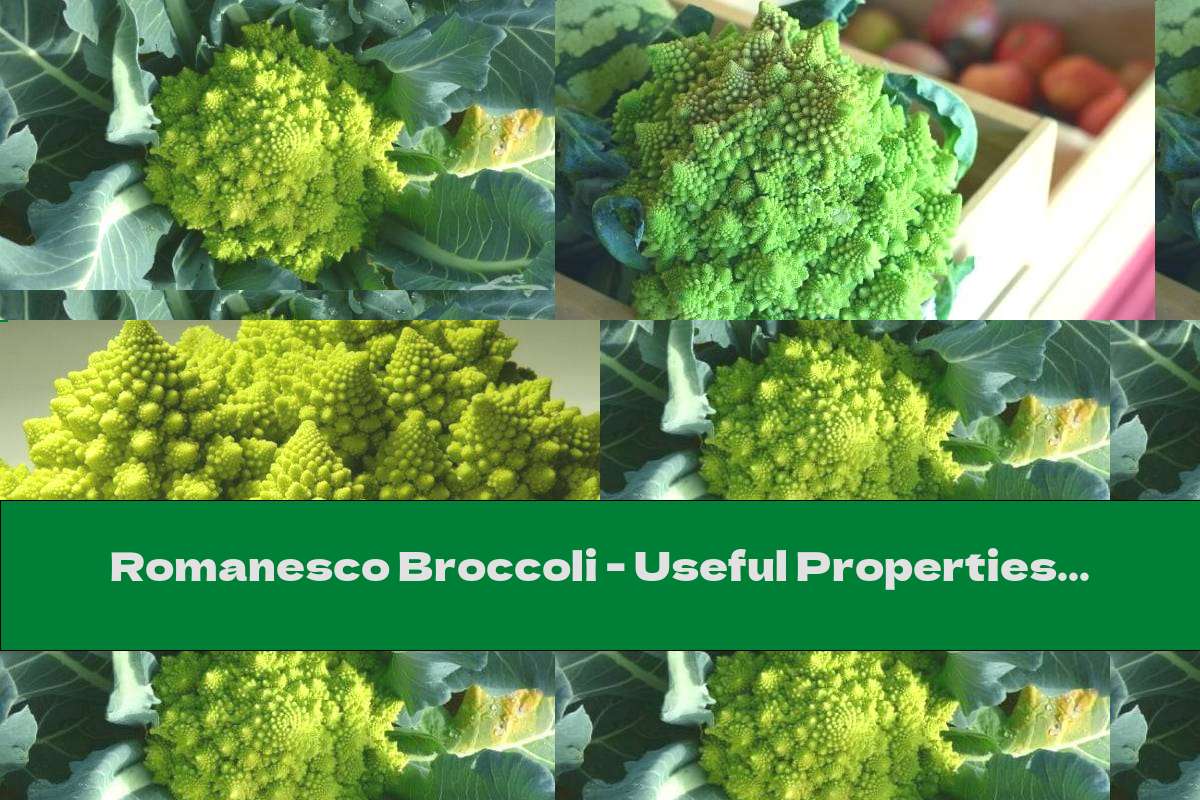
Only the head of the vegetable is used for consumption, which consists of light green inflorescences in the form of a fractal spiral. Each bud is made up of other similar, forming the shape. Cabbage is a dietary product and is easily digested.
If you over-cook with Romanesco, the texture of the vegetables will be delayed, which will make it not very pleasant to eat. The texture of the vegetable is softer than that of cauliflower, which makes it suitable for raw consumption. Romanesco broccoli has a milder aroma, more creamy, nutty and less bitter taste than ordinary broccoli and cauliflower. It can be fried, boiled or baked, also added to salads or used to make sauces.
Useful properties of Romanesco broccoli
This type of broccoli is rich in vitamins (C, K, A), trace elements (zinc), cellulose, carotenoids and antioxidants. Including it in the menu helps to restore taste buds and eliminate the metallic taste. The isocyanates present in the composition contribute to the fight against various neoplasms.
1. Keeps eyes healthyVegetables are a rich source of vitamin A, which is necessary for the proper functioning of the eyes and to reduce muscle degeneration, which leads to eye problems.
2. Improves blood circulation and heart healthRomanesco contains large amounts of vitamin K, B, iron and omega-3 fatty acids, nutrients that are useful for significantly improving heart health. The iron in vegetables helps increase the production of red blood cells, improves blood circulation and heart health. This can help the brain by supplying more oxygen and nutrients.
Thanks to the vitamins in its composition, vegetables improve the elasticity of blood vessels and dilute the blood. Consumption of Roman cabbage reduces the risk of developing atherosclerosis by removing excess cholesterol, toxins and toxins.
Like other cruciferous vegetables such as cauliflower and broccoli, Romanesco broccoli is also a rich source of dietary fiber, which helps improve digestion and remove waste from the body.
3. Fights infectionsRoman cauliflower consists of many antioxidants, vitamins and minerals that help the body fight infection and disease.
4. Supports digestionThanks to its high fiber content, Romanesco maintains cholesterol and blood sugar levels and aids digestion, eliminating waste.
The cellulose in cabbage has a beneficial effect on the motility of the colon, dealing with the signs of its malfunction (diarrhea, constipation, hemorrhoids). The composition of the beneficial microflora in the intestine is normalized, the processes of fermentation and putrefaction are stopped.
5. Reduces the risk of developing cancerThe content of antioxidants and dietary fiber in vegetables is very useful in protecting the body from damage caused by free radicals, thus protecting the body from various health problems, including cancer.
Dangerous and harmful properties of Romanesco broccoli
Vegetables rarely cause allergic reactions. Prolonged heat treatment can cause diarrhea and bloating.
In the presence of heart disease and thyroid problems, consumption of Romanesco should be limited.
Like all other types of cabbage, this one contains a lot of cellulose, which could increase the formation of gas. The same effect is observed when combining vegetables with legumes.
Combination with mushrooms and fatty meats is not recommended, as there is a risk of digestive problems.
Related Articles
- The Role of Sodium Methyl Para-Hydroxybenzoate in Nutrition: Preservative Properties & Health Concerns
- The Role of Functional Properties in Muffins: Nutrition, Diets, and Recipes
- The Functional Properties of Muffins in Nutrition: A Comprehensive Guide
- Nutritional Benefits of Functional Properties in Muffins: A Comprehensive Guide
- Functional Properties of Muffins in Nutrition: A Complete Guide
Top Nutrition Articles Today
- . Foods Containing Carrageenan: A Comprehensive Guide for Your...
- . Foods For A Regular Stomach
- . The Truth About Potato Chips: Health Effects and Alternative...
- . Medicinal Drinks For Colds
- . The Nutritional Benefits of Figs: A Fiber-Rich Fruit Packed...
- . How To Cook Pork Liver And Mushrooms In Cream Sauce With Che...
- . The Importance of Carotene in Nutrition: A Complete Guide
- . Camel Meat
- . List of Foods that Contain Carrageenan: A Guide to Avoiding...
- . The Ultimate Guide to Creating a Well-Structured Diet Plan f...