Rosehip Oil
 Author: Dean Rouseberg
Time for reading: ~2
minutes
Last Updated:
August 08, 2022
Author: Dean Rouseberg
Time for reading: ~2
minutes
Last Updated:
August 08, 2022
CHAPTERS (Table Of Contents)
In this article, learn more about Rosehip Oil. Rosehip oil - benefits and harms.
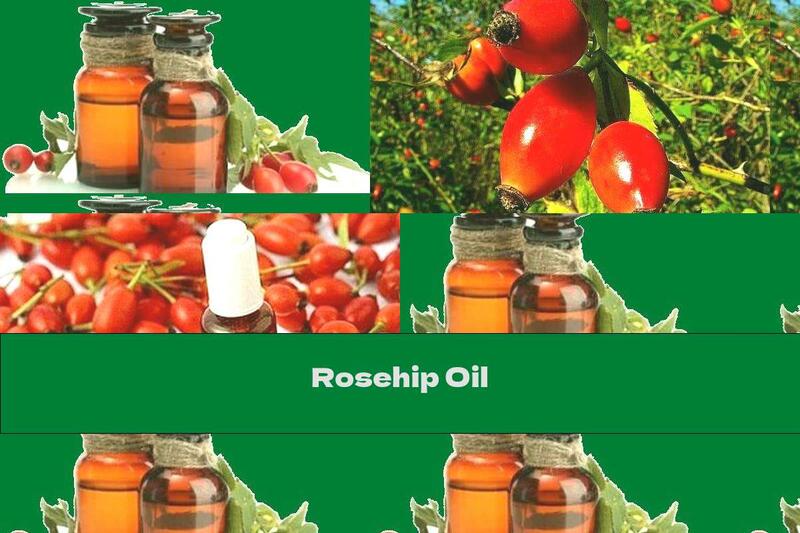
Rose hips are useful fruits that are characterized by many healing properties. They make a bitter oil with a sweet-woody scent. In order for it to be truly valuable for health, it is necessary to use seeds only from wild rose hips. They are first dried, then ground. The oil is obtained in two ways: by hot extraction / extraction or by cold pressing.
Organic solvents are used in hot extraction, but heat treatment has a detrimental effect on vitamins and some other biologically active substances. Therefore, the oil obtained by cold pressing is of better quality, more useful and, respectively, has a higher value.
Useful properties
The valuable healing properties of rosehip oil are explained by its chemical composition. It is a rich source of nutrients, actively involved in the well-coordinated work of our body. The liquid is rose gold or orange and contains:
- most fat-soluble vitamins (E, A, beta-carotene), which improve the condition of the mucous membranes and skin, regulate the production of sex hormones, maintain vision, are necessary for the integrity of virtually all cell walls;
- vitamins C, F, K;
- antioxidants, fighting all kinds of inflammation, cancer cells, aging processes;
- many minerals (molybdenum, strontium and copper), macronutrients (iron, magnesium, calcium, phosphorus, manganese), as well as saturated fatty acids (palmitic, linolenic, oleic, myristic, linoleic, stearic).
Thanks to the presence and combination of all these remarkable substances, rosehip oil:
- increases biliary excretion (bile secretion), so it is indicated in hypomotor biliary dyskinesia;
- activates the production of gastric juice (this is especially important in atrophic gastritis with low secretory activity);
- strengthens blood vessels of various calibers;
- lowers cholesterol and dissolves cholesterol atherosclerotic plaques;
- reduces depression;
- normalizes sleep;
- maintains immunity (both cellular and humoral);
- it is an adaptogen, increasing the protection against respiratory (cold) infections and strengthening the body during unfavorable periods of heavy physical exertion or stress;
- stimulates the healing of various wounds (including cracked nipples in lactating women ), burns, ulcers, abrasions, bedsores, helping to reduce changes in the skin and / or mucous membranes due to inflammation;
- preserves the elasticity of the skin, nourishes it and moisturizes it;
- prevents the appearance of stretch marks (including after pregnancy) and rough scars;
- it is characterized by a general tonic effect.
All this makes rosehip oil suitable for use for various purposes: cosmetic, therapeutic (to strengthen the body and improve metabolism, in gastrointestinal diseases, such as anti-inflammatory and others).
Harm and contraindications
Despite the many beneficial properties of rosehip product, its use should be agreed in advance with a doctor, as in some conditions the oil could be harmful.
- Not recommended for gallstone disease (choleretic action may cause movement of stones in the bile ducts and clog them, jaundice or painful biliary colic);
- Activates the course of diseases associated with increased production of gastric juice such as peptic ulcer disease, pancreatitis and others.
- For acne and oily skin, the oil can cause pimples to increase.
- It can cause serious allergic reactions.
Top Nutrition Articles Today
- . Foods Containing Carrageenan: A Comprehensive Guide for Your...
- . Foods For A Regular Stomach
- . The Importance of Carotene in Nutrition: A Complete Guide
- . The Truth About Potato Chips: Health Effects and Alternative...
- . Medicinal Drinks For Colds
- . The Nutritional Benefits of Figs: A Fiber-Rich Fruit Packed...
- . How To Cook Pork Liver And Mushrooms In Cream Sauce With Che...
- . Camel Meat
- . List of Foods that Contain Carrageenan: A Guide to Avoiding...
- . The Ultimate Guide to Creating a Well-Structured Diet Plan f...