Salt Is Addictive
 Author: Nia Rouseberg
Time for reading: ~1
minutes
Last Updated:
August 08, 2022
Author: Nia Rouseberg
Time for reading: ~1
minutes
Last Updated:
August 08, 2022
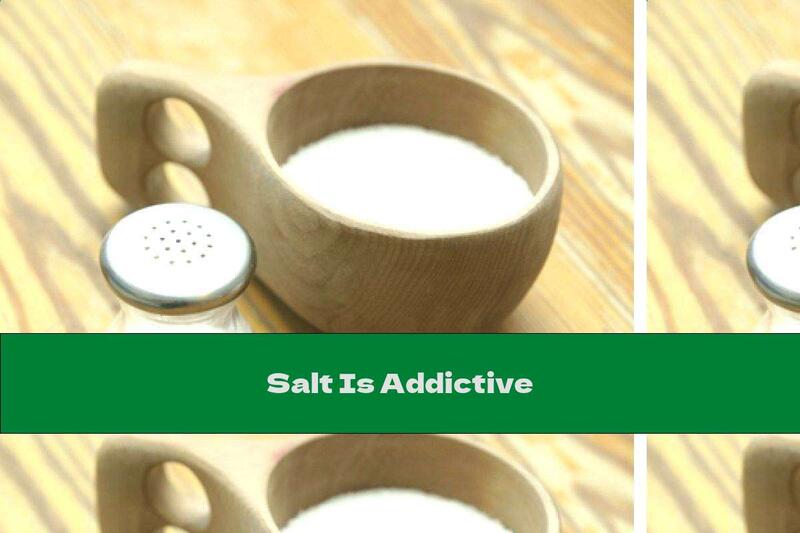
Salt consumption affects the brain in the same way as substances such as heroin, cocaine, nicotine.
Salt is addictive , similar to cigarette and drug addiction, because it affects the same connections and cells in the brain, according to a new study.
The findings help clarify why some people find it difficult to stop eating salt, despite warnings that it raises blood pressure and damages the heart .
In a study of the brain, researchers found that when it "felt" the need for salt, the brain produced proteins that normally bind to substances such as heroin , cocaine and nicotine .
According to Derek Denton, a professor at the University of Melbourne, the study demonstrates how a common instinct, such as salt cravings, can trigger the organization of neurons in the brain, as is known in opiates.
Experts also found that the changes in the brain caused by the thirst for salt disappear even before the already consumed spice has reached it. The need was met earlier.
They explain that the need forms an "ancient instinct" deep in the brain. The findings may explain why we find salty foods delicious.
Scientists have also found that limiting salt intake causes us to partially lose our appetite for food. The British, for example, consume an average of 8.6 grams of salt per day, with a recommended daily dose of 6 grams.
A recent study by the University of Exeter, UK, among more than 6,500 people found that there was no conclusive evidence that limiting salt consumption reduced the risk of heart disease.
Related Articles
- The Nutritional Benefits of Salty Popcorn: A Healthy Snack Option
- The Nutritional Value of Salty Popcorn: Benefits, Recipes, and More
- The Nutritional Benefits of Salty Popcorn: A Healthy Snack Option
- The Nutritional Benefits of Salty Popcorn: A Healthy Snacking Option
- The Nutritional Benefits of Kali: Enhance Your Meals with Black Salt