Sauerkraut (fermented Cabbage) - Useful Properties And Contraindications
 Author: Nia Rouseberg
Time for reading: ~6
minutes
Last Updated:
January 27, 2026
Author: Nia Rouseberg
Time for reading: ~6
minutes
Last Updated:
January 27, 2026
CHAPTERS (Table Of Contents)
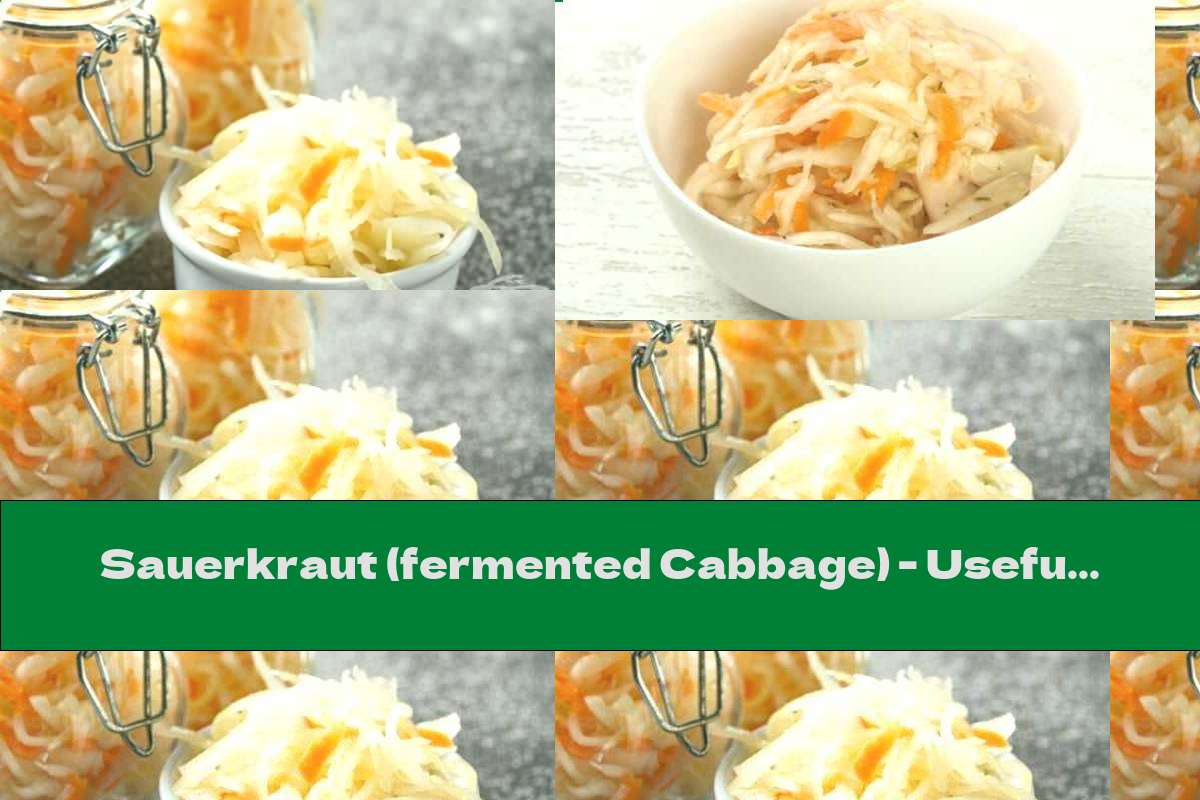
Sauerkraut is a type of fermented cabbage with many health benefits. Low-calorie vegetables rich in vitamins K, C, B, A and E, as well as minerals zinc, manganese, potassium, calcium, iron, sulfur.
Sauerkraut is a type of fermented cabbage with many health benefits. It is believed to have originated in China more than 2,000 years ago. Fermentation was then one of the methods used to prevent food from spoiling quickly.
Sauerkraut has become a popular side dish and dish in many cultures. Due to the fermentation it undergoes, sauerkraut offers many nutrients and health benefits far beyond those of fresh cabbage.
Fermentation of vegetables is a process in which microorganisms in it absorb its natural sugars and convert them into carbon dioxide and organic acids. Fermentation begins when yeast and bacteria, which are naturally present in cabbage, come into contact with the sugars in cabbage. This process creates conditions that promote the growth of beneficial probiotics, which can also be found in products such as yogurt and kefir.
Probiotics are bacteria that provide powerful health benefits. They make food easier to digest, which increases the gut's ability to absorb the vitamins and minerals it contains.
Unlike fresh cabbage, sauerkraut may contain higher amounts of sodium. Keep this in mind if you monitor your salt intake.
Nutritional composition
Sauerkraut is a low-calorie vegetable rich in vitamins and minerals. Only one spoonful of it contains the daily amount of vitamin K needed for a person.
The product also contains zinc, manganese, potassium, calcium, iron, sulfur and a wide range of vitamins C, B, A, E and PP. All these elements have a beneficial effect on the body. Vitamin C is important for strengthening the immune system, and vitamin B - for the nervous system.
There are only 20 calories in 100 grams of fermented cabbage , but by flavoring the salad with oil, they increase to 50.
One cup (142 grams) of sauerkraut provides:
- 27 calories
- 0 grams of fat
- 7 grams of carbohydrates
- 4 grams of fiber
- 1 gram of protein
- Sodium - 39% of the recommended daily intake *
- Vitamin C - 35% *
- Vitamin K - 23% *
- Iron - 12% *
- Manganese - 11% *
- Vitamin B6 - 9% *
- Folic acid - 9% *
- Honey - 7% *
- Potassium - 7% *
Health benefits from the consumption of sauerkraut
1. Improves the work of the stomach and intestines
The intestines are said to contain over 100 trillion microorganisms or "intestinal flora", which is more than 10 times the total number of cells in the whole body. Fermented vegetables also contain lactobacilli, which have a beneficial effect on the intestinal microflora.
The beneficial bacteria (probiotics) in sauerkraut protect the body from toxins and harmful bacteria, improve digestion and overall health.
They help to improve the bacterial balance in the gut after it is disturbed by the use of antibiotics. This can help reduce or prevent diarrhea caused by antibiotics.
Studies also show that probiotics help reduce flatulence, bloating, constipation, diarrhea and symptoms associated with Crohn's disease and ulcerative colitis.
Most probiotic-rich foods and supplements contain 5-10 billion colony-forming units per serving, while 1 cup of sauerkraut contains about 3 billion of them.
Like most fermented foods, sauerkraut also contains a variety of enzymes that help break down nutrients into smaller easily digestible molecules.
2. Strengthens the immune systemSauerkraut is a rich source of immune-boosting probiotics and nutrients. These same beneficial probiotics also have the ability to have a strong effect on the immune system. They help to improve the balance of bacteria in the gut, while also keeping the gut healthy.
Maintaining a healthy gut flora helps prevent the growth of harmful bacteria and can even boost the production of natural antibodies. Regular consumption of foods rich in probiotics, such as fermented cabbage, can reduce the risk of infections such as the common cold and urinary tract infections. In case of illness, frequent consumption of such foods can help speed recovery. Sauerkraut juice is suitable for viral and cold diseases (drink 30 milliliters of it every morning).
Sauerkraut is a rich source of vitamin C and iron - two nutrients that help maintain a healthy immune system. In particular, increasing the intake of vitamin C for colds can help speed recovery. 150 grams of the product provide the necessary daily amount of vitamin C for the body.
In addition, the consumption of this product prevents allergic reactions that exacerbate bronchial problems.
3. Helps to lose weightSauerkraut is a suitable food for those who want to lose weight, because:
- regulates the metabolism of fats in the body;
- improves digestion and cleanses the body of toxins;
- gives a feeling of satiety for a long time.
Fermented cabbage is low in calories and high in fiber. Fiber-rich diets keep a person full for longer, which can help naturally reduce daily calorie intake.
4. Reduces stress and maintains brain healthMood can affect what you eat, and what you eat can affect mood and brain function.
An increasing number of studies have found that there is a link between the gut and the brain. It has been found that the type of bacteria in the gut can have the ability to send messages to the brain, thus influencing the way a person functions and perceives the world. Sauerkraut contributes to the creation of a healthy intestinal flora, which can reduce stress and maintain brain health.
Probiotics have been found to help improve memory and reduce symptoms of anxiety, depression, autism and even obsessive-compulsive disorder.
Fermented cabbage can maintain brain health by increasing intestinal absorption of the mood-regulating minerals magnesium and zinc.
5. Reduces the risk of developing some cancersFresh cabbage contains antioxidants and other beneficial nutrients that can help reduce the risk of certain cancers. According to some studies, these compounds are thought to help reduce DNA damage, prevent cell mutations and block excessive cell growth, which usually leads to tumor development.
In the process of fermentation of cabbage, specific plant compounds can also be produced, which are believed to help destroy pre-cancerous cells.
Some carcinogens are also thought to cause cancer after being "activated" by specific enzymes.
6. Promotes heart health and lowers "bad" cholesterolSauerkraut is a good source of fiber and probiotics that help reduce levels of "bad" cholesterol. Probiotics can also help lower blood pressure.
In addition, fermented cabbage is one of the rare plant sources of menaquinone, better known as vitamin K2. It is believed to help reduce heart disease by preventing the build-up of calcium deposits in the arteries. A study found that regular intake of foods rich in vitamin K2 was associated with a 57% lower risk of death due to heart disease. 1 cup of sauerkraut contains about 6.6 micrograms of vitamin K2.
7. Healthier and stronger bonesVitamin K2 plays an important role in keeping bones strong and healthy. The vitamin activates two proteins whose function is to bind calcium, a key mineral found in bones. It is believed that this contributes to healthier and stronger bones. Studies have found that taking vitamin K2 supplements reduces the risk of fractures of the spine and hip by 60-81%.
Some of these studies used supplements to provide very high doses of vitamin K2. Thus, it is not known whether the vitamin obtained only from sauerkraut would provide the same benefits.
Blood clotting is affected by the presence of vitamin K in vegetables.
Contraindications and harmful effects of consumption of sauerkraut
Like any other healthy food, sauerkraut also has side effects, especially if you overdo it. The side effects of consuming fermented cabbage are not serious, but can be unpleasant.
Cabbage, including sauerkraut, can cause constipation, gas and bloating. This does not mean that you should stop consuming it, but if you want to avoid constipation, do not overdo it.
Another side effect is diarrhea. Excessive consumption leaves a large amount of raffinose in the stool, which can lead to diarrhea. People with sensitive stomachs should not eat too much sauerkraut, because they can get abdominal cramps.
In addition, overdoing it can lead to high blood pressure due to salt, which is a necessary ingredient in the preparation of fermented cabbage. People with high blood pressure or kidney problems should avoid eating sauerkraut due to its high sodium content. If some people with such problems decide to include this product in their menu, it must be reduced in salt and consumed in smaller quantities. It is mandatory to consult a doctor before including the product in the diet.
Studies warn that some compounds in sauerkraut may interact with monoamine oxidase inhibitors, a type of medication prescribed to treat depression, anxiety disorders and Parkinson's disease. People taking these medications should consult their doctor before adding sauerkraut to their diet.
- Sauerkraut juice
Related Articles
- The Role of Sodium Methyl Para-Hydroxybenzoate in Nutrition: Preservative Properties & Health Concerns
- The Role of Functional Properties in Muffins: Nutrition, Diets, and Recipes
- The Functional Properties of Muffins in Nutrition: A Comprehensive Guide
- Nutritional Benefits of Functional Properties in Muffins: A Comprehensive Guide
- Functional Properties of Muffins in Nutrition: A Complete Guide
Top Nutrition Articles Today
- . Breakfast Pizza
- . Night Nutrition: Importance, Benefits, and Best Foods to Eat
- . The Ultimate Guide to Metataric Acid in Nutrition: Sources,...
- . Calories In A Piece Of Bread
- . Health Benefits Of Vitamin C
- . Sushi For Beginners. How Easy It Is To Spin Sushi Rolls
- . How To Cook Spicy Green Tea With Turmeric, Lemon Juice And G...
- . The Essential Guide to Nutrients in Nutrition: Importance an...
- . When Is It Better To Eat Fruit?
- . How To Cook Mini Sandwiches With Cherry Filling - Recipe