Sesame Seeds - Why Is It Useful?
 Author: Karen Lennox
Time for reading: ~3
minutes
Last Updated:
August 08, 2022
Author: Karen Lennox
Time for reading: ~3
minutes
Last Updated:
August 08, 2022
CHAPTERS (Table Of Contents)
Sesame seeds help fight stress and tension, prevent diseases of the nervous system, reduce inflammation and contain many useful substances.
We all know sesame seeds, they are one of the most popular seeds in the world, grow in pods and are very useful.
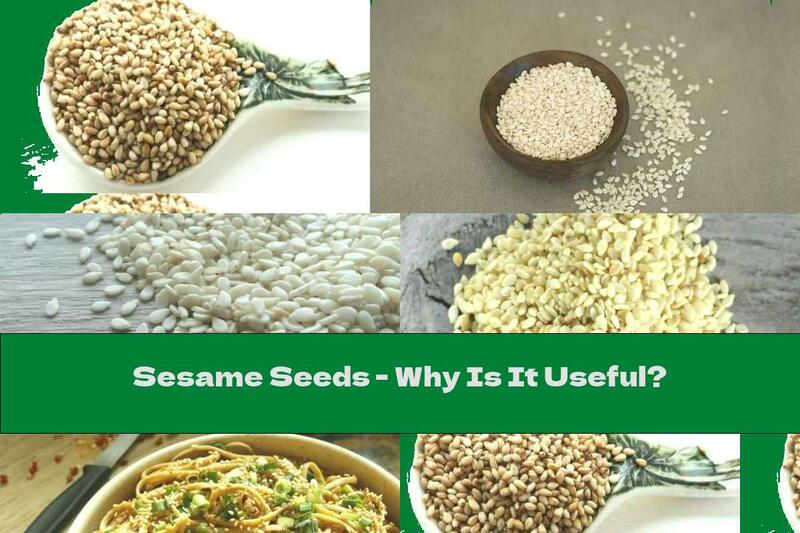
The raw ones have a shell that is edible, and the others are peeled (they are a little lighter). The shell gives them a golden brown hue, while those without one are almost white in color when raw.
Sesame seeds help fight stress and tension, prevent diseases of the nervous system; it is indicated in patients with osteoporosis, heart and liver diseases, pancreatic diseases, pneumonia, dry cough. Used in the treatment of mastitis, skin diseases; has anti-cancer properties, thanks to lignans, which are a plant analogue of female sex hormones.
Why is it useful to eat sesame seeds?
Sesame is a good source of fiber
Only three tablespoons (30 grams) of sesame seeds contain 3.5 grams of fiber, which is equal to 12% of the required daily intake. Regular consumption of sesame imperceptibly increases the intake of useful dietary fiber, which is very useful for the body. Fiber maintains digestive health and reduces the risk of heart disease, some cancers, obesity and diabetes. They also help people suffering from constipation.
Lowers cholesterol and triglyceridesSome studies in support of sesame claim that it can reduce bad cholesterol and triglycerides - all factors that threaten heart health. Sesame seeds consist of 15% saturated fat, 41% are polyunsaturated, 39% monounsaturated fat. Studies show that consuming more polyunsaturated and monounsaturated fats than saturated fats helps lower cholesterol and the risk of heart disease.
Sesame seeds contain two types of plant compounds, lignans and phytosterols, which also act on cholesterol.
A good source of plant proteinsSesame contains 5 grams of protein for 30 grams. To maximize protein intake, it is preferable to eat peeled sesame seeds. Such seeds are a good source of protein and amino acids that can help compensate for the lack of meat in vegetarians and vegans.
Improves bone health
Unpeeled sesame seeds have a very high concentration of beneficial substances for bones, such as calcium, magnesium, manganese and zinc (on average, about 25% of the required needs of all minerals are contained in only 3 tablespoons).
Sesame contains oxalates and phytates, which interfere with the absorption of these substances, but when roasting, soaking or germinating the seeds, their impact is limited and increases the absorption of nutrients.
They reduce inflammationSesame seeds fight inflammation, and this is important because chronic inflammation can cause serious diseases such as obesity, cancer, diabetes, kidney and heart disease.
Sesame helps control blood sugar. It is low in carbohydrates and has more fats and proteins that support blood sugar.
The seeds also contain pinoresinol - a compound that helps regulate blood sugar.
Strengthens the immune system
Sesame seeds are a good source of several nutrients crucial for the immune system - these are zinc, selenium, copper, iron, vitamin B6 and vitamin E.
Relieves knee pain in arthritisOsteoarthritis is the most common cause of joint pain and usually affects the knees. A compound in sesame (sisamine) has anti-inflammatory and antioxidant effects and protects cartilage. A two-month study found a 63% increase in arthritis relief by adding sesame seeds to conventional treatment (with drugs alone, patients felt only a 22% improvement). The group that consumed sesame seeds has also increased joint mobility.
Supports thyroid healthSesame seeds are a good source of selenium, supplying 18% of our body's daily needs with 30 grams.
The thyroid gland contains the highest concentration of selenium in the body. This mineral is vital for the production of hormones.
In addition, iron, copper, zinc and vitamin B6 also support the production of thyroid hormones.
Easily applicable in our diet
The advantage of sesame is that you can easily include it in your menu, you only need to bake it for a few minutes to increase the absorption of nutrients. Then you can add it to various dishes, pastries, salads, oatmeal, use for breading.
Sesame seeds are used in the preparation of butter, which is widely used in cooking. It is a champion in phytosterol content - a substance that helps lower blood cholesterol levels.
Contraindications to sesame seeds
Use with caution by people who have kidney problems (sand, stones).
Due to the high caloric content, the product is contraindicated for consumption in large quantities if you follow a diet for weight loss.
- Sesame oil (oil) - health benefits
- Useful properties of sesame tahini
Related Articles
- The Ultimate Guide to Hemp Seeds: Nutrition, Recipes, and More
- The Nutritional Powerhouse of Chia Seeds: Health Benefits and Recipes
- The Ultimate Guide to Hemp Seeds: Nutrition, Recipes, and More
- The Ultimate Guide to Hemp Seeds: Nutrition, Recipes, and More
- The Power of Pumpkin Seeds: Nutritional Benefits and Uses
Top Nutrition Articles Today
- . The Importance of Carotene in Nutrition: A Complete Guide
- . Medicinal Drinks For Colds
- . The Truth About Potato Chips: Health Effects and Alternative...
- . Foods For A Regular Stomach
- . Cochineal Extract Food List: Nutritional Value, Health Benef...
- . The Ultimate Guide to Lean Meat in Nutrition: Benefits, Type...
- . The Nutritional Benefits of Figs: A Fiber-Rich Fruit Packed...
- . How To Cook Pork Liver And Mushrooms In Cream Sauce With Che...
- . The Role of Water in Nutrition: Importance and Benefits
- . Camel Meat