Shrimp - Eating
 Author: Mark Velov
Time for reading: ~1
minutes
Last Updated:
August 08, 2022
Author: Mark Velov
Time for reading: ~1
minutes
Last Updated:
August 08, 2022
CHAPTERS (Table Of Contents)
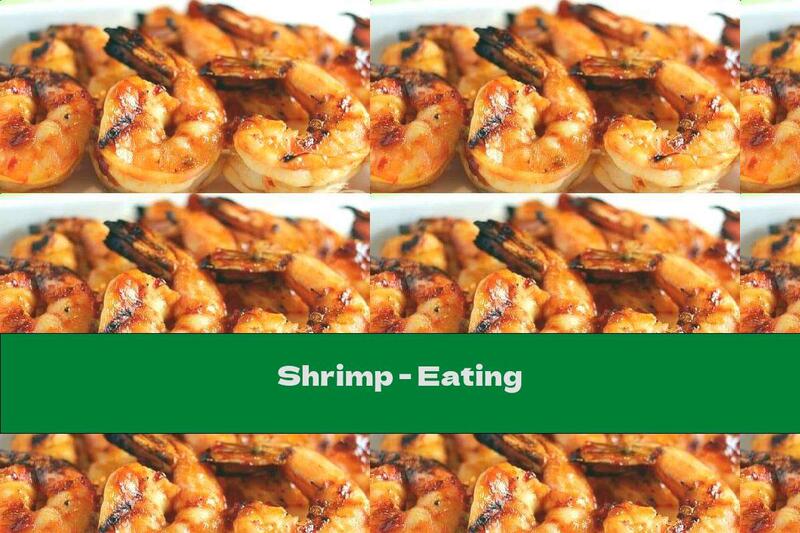
Shrimp is rich in protein and contains all the essential amino acids. It also contains a large amount of iodine, which is needed for the production of thyroid hormones; and all fat soluble in
Composition and useful properties
Shrimp is rich in protein and contains all the essential amino acids. It also contains a large amount of iodine, which is needed for the production of thyroid hormones; and all fat-soluble vitamins: K, A, E, D. This seafood also contains: potassium, calcium, magnesium, sodium, phosphorus, iron, iodine, cobalt, manganese, copper, molybdenum, fluorine, zinc; also vitamin E (tocopherol), C (ascorbic acid), B1 (thiamine), B2 (riboflavin), B9 (folic acid), PP (niacin), provitamin A (retinol) and B (carotene).
Shrimp is a source of protein and minerals. The iodine in it is almost 100 times more than in beef. The calcium in its meat is useful for the work of the thyroid gland, the immune system, hematopoiesis, the work of the kidneys, the system for building muscles and bone tissue. It is indispensable for the cardiovascular system. Zinc affects the synthesis of hormones, improves the condition of the skin and nails. Sulfur is also important for the skin, hair and nails, it regulates the functions of the sweat and sebaceous glands, strengthens the immune system, reduces allergic reactions, contributes to the structure of connective tissue, including heart valves, venous membranes, arteries and joint surfaces.
Shrimp have the highest cholesterol content .
Harm and contraindications
The biggest danger that shrimp hides is the presence of arsenic in it. As a marine inhabitant, it can accumulate heavy metals, so it is very important to know the area where it was caught.
Related Articles
- The Ultimate Guide to Hickory Smoked Bacon in Nutrition and Healthy Eating
- The Ultimate Guide to Nutritional Eating: Importance, Key Nutrients, Benefits, and Recipes
- The Ultimate Guide to Creating a Well-Balanced Diet Plan
- The Ultimate Guide to Creating a Well-Balanced Diet Plan
- Nutrition and Libido: Boost Your Sex Drive with Healthy Eating