Soft Drinks Increase The Risk Of Prostate Cancer
 Author: Alexander Bruni
Time for reading: ~1
minutes
Last Updated:
August 08, 2022
Author: Alexander Bruni
Time for reading: ~1
minutes
Last Updated:
August 08, 2022
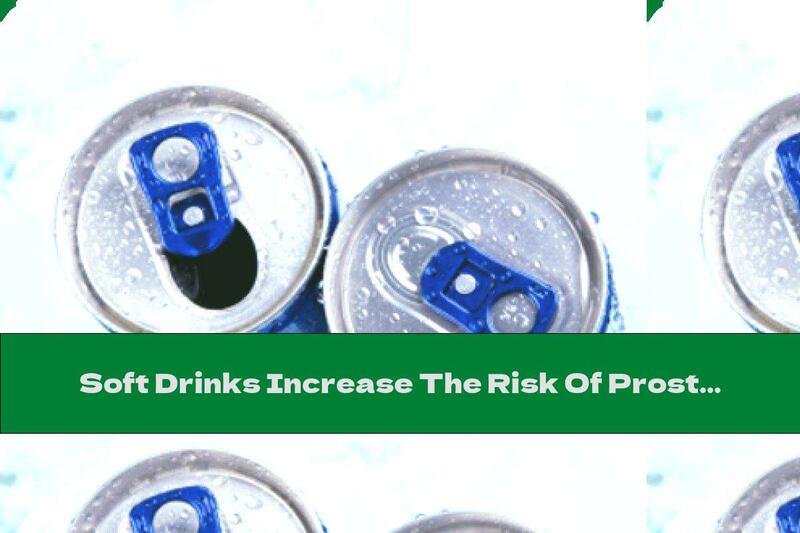
Sugar leads to the release of the hormone insulin, which is one of the main nutrients in tumor cells.
Daily consumption of carbonated beverages increases by 40% the risk of developing aggressive prostate cancer.
The harms of soft drinks have been described in various studies. They have been found to lead to cardiovascular disorders, risk of diabetes, weight gain, bone fragility, pancreatic cancer, muscle weakness and more.
In a new study, researchers at Lund University tracked the health data of more than 8,000 men between the ages of 45 and 73. The data cover the last 15 years.
At the beginning of the study, the volunteers were in good health .
At the end of the study, the researchers compared the eating habits of men over the past few years who had been diagnosed with prostate cancer with those who remained healthy.
The researchers found that volunteers with prostate tumors consumed at least 300 ml of soft drinks daily.
No association was found with the consumption of fruit juices, diet drinks, tea and coffee containing sugar.
Despite the genetic predisposition to cancer , lifestyle and unhealthy habits can also lead to cancer, experts explain.
Sugar stimulates the release of the hormone insulin , which is one of the main nutrients in tumor cells, according to them.
Researchers are hoping for more research in this area, but are convinced that soft drinks significantly increase the risk of prostate cancer.
The results of the study are published in the American Journal of Clinical Nutrition .
Prostate cancer is a malignant tumor that usually starts on the outside of the prostate gland.
In most men, this process develops very slowly. Many of them do not even realize that they have prostate cancer. Early cancer is limited to the gland and it can take years for symptoms to appear.
Related Articles
- The Ultimate Guide to E120i (Carmine) in Nutrition: Benefits, Usage, Recipes, and Risks
- The Impact of Potato Chips on Health: Nutritional Content, Risks, and Alternatives
- The Ultimate Guide to E161 in Nutrition: Sources, Benefits, and Risks
- The Ultimate Guide to Protein Shakes: Benefits, Recipes, and Risks
- E 481 in Nutrition: Benefits, Recipes, and Risks
Top Nutrition Articles Today
- . The Power of Guar Gum: Benefits for Digestive Health and Wei...
- . List of Foods that Contain Carrageenan: A Guide to Avoiding...
- . How To Cook Beets So That They Do Not Lose Color
- . The Ultimate Guide to Magnesium Carbonate in Nutrition: Bene...
- . Bacon Egg Bites Nutrition
- . All You Need to Know About E635: Uses, Safety, and Health Im...
- . The Complete Guide to E120i in Nutrition: Origin, Health Con...
- . The Nutritional Benefits of Raisins for Brain Health
- . Lycopene In Carrots
- . Nutrition In Lymphedema (lymphostasis, Elephantiasis, Elepha...