Soy Flour
 Author: Marko Balašević
Time for reading: ~3
minutes
Last Updated:
August 08, 2022
Author: Marko Balašević
Time for reading: ~3
minutes
Last Updated:
August 08, 2022
CHAPTERS (Table Of Contents)
In this article, learn more about Soy Flour. Soy flour - useful properties and contraindications.
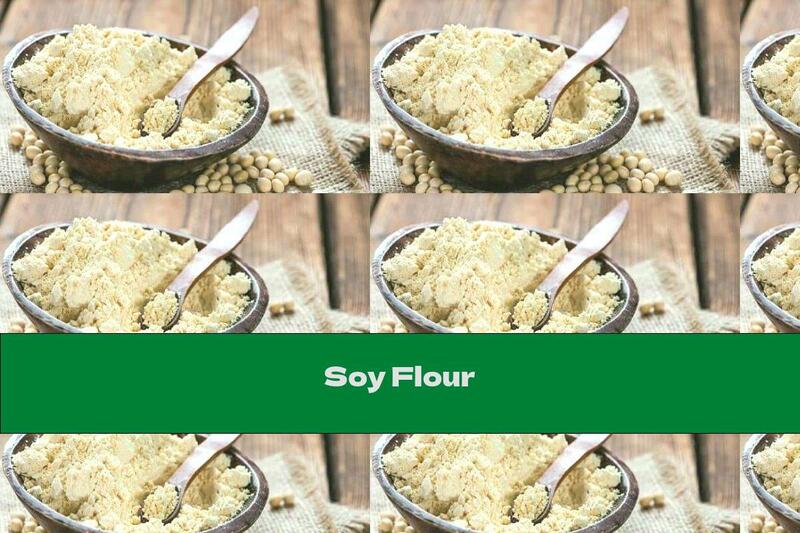
Soy flour is a product obtained from processed soybeans, cake, meal. It is especially popular in East Asia.
To make the flour, the beans are first dried, then ground coarsely, removing the skins. Fine grinding follows.
Of the soy products used by man, this is the least purified. It is a source of cellulose, frees the intestines from toxins.
Flour contains about 54% protein, which makes it a wonderful substitute for protein, which we take in through fish, meat, poultry and milk.
Depending on the variety and method of soybean processing, the flour can be in different color shades: from white, through cream and light yellow, to bright orange.
Composition and useful properties
The useful properties of the product are explained by its chemical composition. It includes the following trace elements: calcium (212 mg), sodium (5 mg), magnesium (145 mg), phosphorus (198 mg), potassium (1600 mg), also vitamin PP (2.3 mg), vitamin A (3). mcg), beta-carotene (0.02 mg), B vitamins (thiamine and riboflavin), vitamin E (1 mg). Soy flour also contains iron (9.2 mg).
After the addition of soy flour, the final food product is characterized by an increased content of minerals, proteins, lecithin and vitamins, which has a beneficial effect on the concentration of "harmful" cholesterol in the blood.
Vitamin B4, which is part of the composition of flour, prevents the formation of stones in the gallbladder, normalizes fat metabolism, contributing to the natural weight loss.
The product is widely used in the food industry. It is used in the production of sausages, bran, biscuits, semi-finished products, bakery and pasta products, as well as a substitute for skimmed milk powder and some substances in whole milk.
Regular use of flour strengthens muscles and the heart, reduces the risk of developing heart disease, including hypertension and atherosclerosis, which is explained by the presence of the isoflavone genistein, which has powerful antioxidant properties. This plant component helps prevent blood clots, protects against heart attack, stroke and plaque formation on the walls of arteries.
In addition, soy products protect the body from developing cancer of the prostate, breast and uterus. The anti-cancer properties are also attributed to genistein. Soy isoflavones not only block the growth of cancers, but also participate in the creation of genes aimed at destroying tumor cells.
The addition of soy flour to the menu is recommended for menopausal women and in particular to reduce hot flashes, night sweats, irritability and mood swings.
Another characteristic of soy flour is its high calcium content , which makes it good for bones. Magnesium and boron are two other important elements in soy, they contribute to the absorption of calcium by the body.
Soybeans do not contain gluten, the product is suitable for people suffering from diabetes. The glycemic index is low and the concentration of antioxidants is high. The latter fight oxidative stress - one of the causes of type 2 diabetes.
Harm and contraindications
Despite the many beneficial properties for the human body, the use of soy flour has its contraindications. The isoflavones (substitutes for female sex hormones) contained in it have a positive effect on the female reproductive system, but their effect on the development of the fetal brain during pregnancy is negative because it increases the risk of premature birth. In addition, scientists have found a link between excessive consumption of soy products with menstrual disorders in women of reproductive age.
Eating large amounts of foods containing soy flour can cause impaired cerebral circulation, provoke the development of Alzheimer's disease and accelerate the aging process.
Harm from soy flour also affects the endocrine system and can lead to disorders in the immune, nervous and reproductive systems.
Children under 3 years of age should not overeat or eat soy flour, as this can lead to thyroid problems or allergic reactions.
Related Articles
- The Role of Flour in Nutrition: Types, Benefits, and Recipes
- The Essential Guide to Flour in Nutrition: Types, Benefits, and Recipes
- The Ultimate Guide to Flour in Nutrition: Types, Benefits, and Recipes
- The Ultimate Guide to Flour in Nutrition: Types, Benefits, and Recipes
- The Role of Flour in Nutrition: Types, Benefits, and Recipes