Sushi - Rich In Omega-3 Fatty Acids
 Author: Alexander Bruni
Time for reading: ~1
minutes
Last Updated:
August 08, 2022
Author: Alexander Bruni
Time for reading: ~1
minutes
Last Updated:
August 08, 2022
CHAPTERS (Table Of Contents)
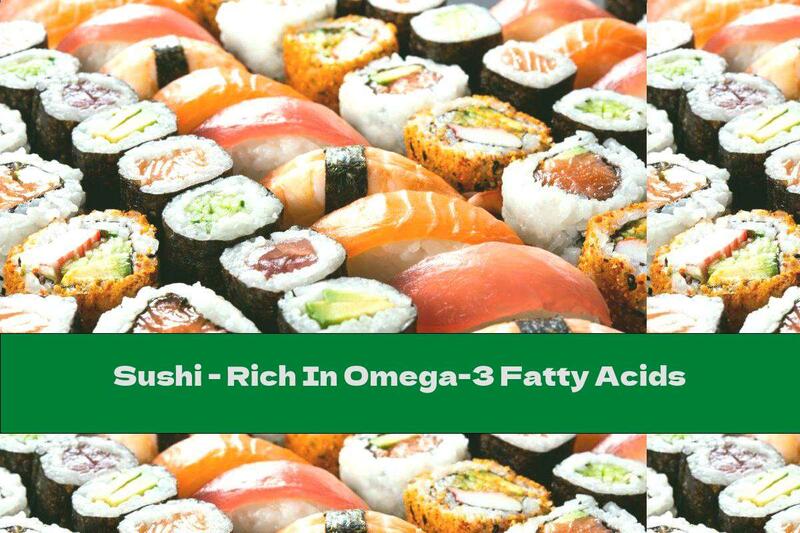
Sushi contains omega-3 acids and antioxidants that prevent heart problems, cancer, reduce body aging, etc.
Sushi is a food that is most commonly consumed in China and Japan. It contains fish , vegetables and fiber, which make up a healthy food rich in nutrients. It is considered useful for consumption because it is:
Rich in omega-3 fatty acids
Sushi is an excellent source of omega-3 fatty acids that the body cannot produce on its own. They promote cell regeneration and prevent the onset of autoimmune diseases. The fatty acids that sushi provides improve the immune system .
A rich source of antioxidants that prevent cancer
Sushi is rich in antioxidants that prevent oxidative damage to the skin and cell DNA. Antioxidants reduce free radicals that can cause cancer cells. Therefore, sushi is believed to be able to prevent tumors. In addition, a 2014 study also found that it could reduce the risk of colon and breast cancer.
Useful in hypothyroidism
Sushi is a good source of iodine, which balances thyroid hormones. Iodine prevents the abnormal activity of thyroid hormones and controls them. The disease leads to obesity and severe heart disease, and adding sushi to the menu can alleviate the condition.
Reduces aging
Sushi is a food that slows down the aging of the body. Salmon is rich in fatty acids, which regenerate cells and prevent the harmful effects of free radicals. In addition, its consumption is associated with a reduction in brain aging . It even helps for better memory and better cognitive functions . Therefore, sushi is a dish that is good for people of all ages.
It is good for the heart
Sushi is a food that protects the heart. Adding sushi to the menu helps regulate cholesterol by lowering bad cholesterol levels. This protects the arteries and promotes good blood flow to and from the heart, ie maintaining a normal heart rhythm. By balancing cholesterol levels , problems such as heart attack, stroke and atherosclerosis are also prevented.
Related Articles
- The Nutritional Benefits of Toor Dal: Protein-Rich Recipes and Cooking Tips
- The Nutritional Benefits of Figs: A Fiber-Rich Fruit for Your Diet
- The Role of Fatty Acids in Nutrition: Benefits, Sources, and Intake
- The Nutritional Benefits of Figs: A Fiber-Rich Fruit
- The Nutritional Benefits of Blubber: Omega-3 Fatty Acids and Vitamin D
Top Nutrition Articles Today
- . The Power of Guar Gum: Benefits for Digestive Health and Wei...
- . List of Foods that Contain Carrageenan: A Guide to Avoiding...
- . How To Cook Squid Salad With Cucumbers, Olives And Onions -...
- . What Foods Contain Gluten? List Of Gluten-containing Foods
- . Lycopene In Carrots
- . The Nutritional Benefits of Raisins for Brain Health
- . The Truth About Disodium Inosinate: Uses, Safety, and Altern...
- . The Role of Ice in Nutrition: Cooling, Hydration, and More
- . Diet For High Hemoglobin
- . All You Need to Know About E635: Uses, Safety, and Health Im...