Tef
 Author: Marko Balašević
Time for reading: ~3
minutes
Last Updated:
January 27, 2026
Author: Marko Balašević
Time for reading: ~3
minutes
Last Updated:
January 27, 2026
CHAPTERS (Table Of Contents)
In this article, learn more about Tef. Tef - composition, useful properties and contraindications.
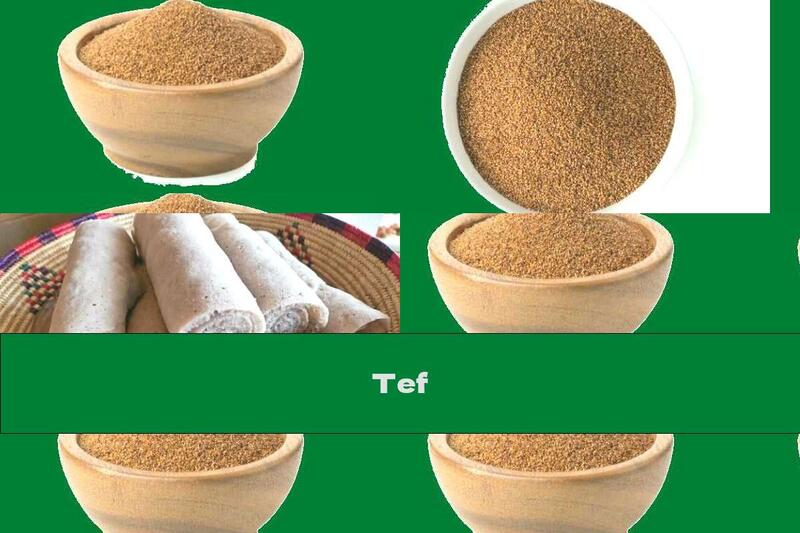
Teff is a cereal crop native to Ethiopia. Today it is still grown in India, Australia and the United States. The grains of the plant are tiny, covered with a shell, and their color can be white, reddish and brownish. The taste is similar to that of nuts, it is sweet, so in cooking the grains go well with walnuts and hazelnuts.
Composition
The most characteristic feature of the crop is that its grains do not contain gluten, unlike most similar plants. Contains large amounts of cellulose and calcium. Its chemical composition makes it useful for consumption, and it is represented by dietary fiber, fat, carbohydrates, water, protein and starch.
The composition includes other useful elements, such as: retinol, copper, thiamine, manganese, pantothenic acid, tocopherol, selenium, riboflavin, pyridoxine, choline, magnesium, iron, zinc, sodium, calcium, phosphorus, potassium.
Foods made from teff berries are easy to digest and give a lasting feeling of satiety.
Useful properties
Regular consumption of teff does not put additional strain on the stomach, and the beneficial elements contained in the plant help strengthen the immune system.
The berries are suitable for people with gluten intolerance, and the presence of a lot of iron in the composition makes them a suitable prophylactic against anemia.
A decoction of them is drunk to increase hemoglobin in the blood.
They help reduce body weight and menstrual pain, improve blood circulation, strengthen bones and the cardiovascular system, help fight diabetes, maintain normal growth and development of the body.
Beans contain 8 useful amino acids, including one of the rare and important for health - lysine. It is largely related to the normal growth and development of man.
Teff is also rich in plant protein, which our body needs to build new and treat old cells. Unlike animal protein, this protein is easier to break down and digest, so the plant is suitable for all fans of healthy eating, not just vegetarians.
The wide range of minerals (especially calcium) and nutrients make grains extremely good for bones, so people with osteoporosis can trust them.
Vitamins are by no means low in tefa, and especially vitamin C. As is known, it has a beneficial effect on immunity, stimulates the production and activity of collagen, necessary for the creation of new cells, blood vessels, organs and muscle tissue.
Small grains are recommended to improve the digestive process, as well as a laxative. The high content of dietary fiber in them helps the body to balance cholesterol levels, preventing constipation, bloating and other more serious problems with the stomach and intestines.
We must not miss those suffering from diabetes, because the consumption of culture improves the condition of patients with this disease. It makes it possible to slow down the entry of insulin into the blood, and this is due to the many dietary fibers in the plant.
The presence of honey in the composition of tefa also plays an important role. The element is valuable for the process of energy production, for the growth and recovery of cells, for the creation of red blood cells. Without the necessary amount of honey, many systems of the human body suffer.
And if so far we have talked about large amounts of nutrients that define grains as very valuable, then in the end we will say that sodium in tefa is low, and this is good because it prevents clogging of the arteries, which leads to lower blood pressure. Therefore, the risk of stroke and heart attacks, as well as the load on the cardiovascular system, is reduced.
Use in cooking
The grains are used to make flour, which is used to make bread, pastries and confectionery, for breading. The crop combines well with root crops (eg beets and carrots).
Contraindications
Do not consume in case of individual intolerance.
Top Nutrition Articles Today
- . Steroids in Eggs: Separating Fact from Fiction | Nutrition a...
- . 30 Grams Of Carbs
- . Are Simple Sugars The Culprits For Most Diseases
- . Understanding Acidity Regulators in Nutrition: Types, Benefi...
- . Black Chickpeas Nutrition
- . Breastfeeding A Baby With Low Blood Sugar
- . How To Cook Caramel Cream Mousse (for Cakes And Pastries) -...
- . Flatizza: A Healthier Alternative to Traditional Pizza
- . The Power of 100% Cocoa Dark Chocolate: Benefits and Uses
- . Nutrition In Urethritis (inflamed Urethra / Urethra)