Tomatoes Protect Against Osteoporosis
 Author: Dean Rouseberg
Time for reading: ~1
minutes
Last Updated:
August 08, 2022
Author: Dean Rouseberg
Time for reading: ~1
minutes
Last Updated:
August 08, 2022
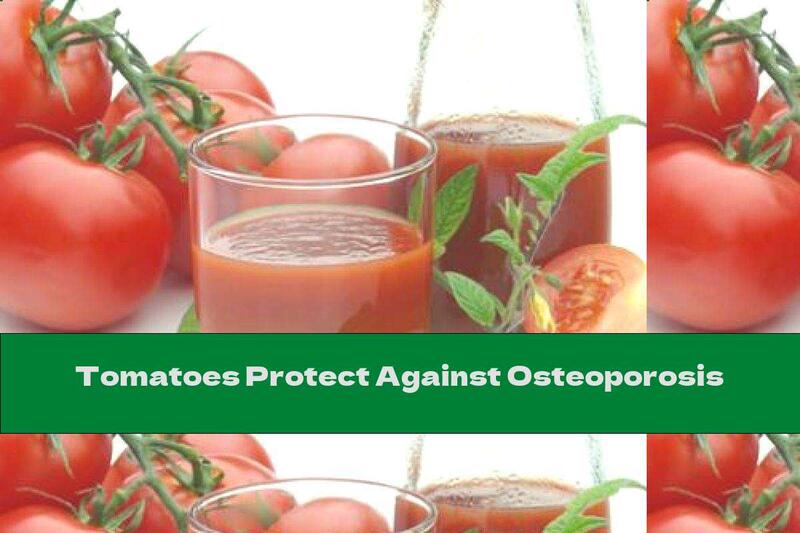
Lycopene, which gives vegetables their red color, slows down the destruction of bone tissue that occurs during menopause ...
In addition to being a delicious and invigorating drink, tomato juice can protect women from the destruction of bone tissue that occurs during menopause, according to Canadian scientists.
Researchers from St. Michael in Toronto, Canada studied the protective effect that the carotenoid lycopene, contained in tomatoes, has on the strength and density of bone tissue.
Lycopene is the substance that gives tomatoes their red color, and in the body acts as a powerful antioxidant.
The study involved 60 women who had menopause. The volunteers were divided into four groups according to the type of treatment administered. The first group took plain tomato juice, the second - tomato juice enriched with additional lycopene, the third - took supplements with lycopene extract, and the fourth - placebo.
Women had to take the tablets or drink the juices twice a day for four months.
At the beginning and end of the experimental study, the researchers examined each participant for the level of collagen N-telopeptide in the blood (a product of bone metabolism) and the content of lycopene.
The content of antioxidants in the blood serum and the level of oxidation products of proteins and fats were also studied.
The results show that the degree of absorption of lycopene does not depend on its source, ie it does not matter whether it is taken in the form of tomato juice or a dietary supplement. During the four-month period of therapy, the level of lycopene and antioxidants in the body increased significantly. Bone destruction in women taking lycopene in any form has decreased. No such changes were observed in placebo participants.
According to the study's lead author, Dr. Letizia Rao, lycopene may have been used successfully as a natural dietary supplement to maintain bone density and even as an alternative treatment for osteoporosis. The substance reduces oxidative stress in the bones and limits the destruction of bone tissue, reducing the risk of developing osteoporosis.
The results of the study were published in the specialized journal Osteoporosis International.
Related Articles
- The Power of Tomatoes: Nutritional Benefits, Recipes, and More
- Nutritional Benefits of Oxheart Tomatoes: A Healthy Addition to Your Diet
- Nutritional Benefits of Oxheart Tomatoes: A Healthy Addition to Your Diet
- The Nutritional Benefits of Oxheart Tomatoes: A Complete Guide
- Nutritional Benefits of Oxheart Tomatoes: Recipes, Tips, and More
Top Nutrition Articles Today
- . Foods High In Folate And B12
- . Chicory: 15 Health Benefits, How To Drink, Contraindications...
- . Dishes From Neighboring Countries That We Love: Potato Panca...
- . What To Cook With Sweet Potato
- . The Ultimate Guide to Vitamin E in Nutrition: Sources, Benef...
- . The Essential Role of Copper (Cu) in Nutrition: Sources, Ben...
- . Nutritional Benefits of Pizza: Key Nutrients, Healthier Opti...
- . The Delicious and Nutritious World of Minibrownies: A Guide...
- . The Complete Guide to E339ii in Nutrition: Benefits, Regulat...
- . The Role of Samarium in Nutrition: Benefits and Food Sources