Torch
 Author: Marko Balašević
Time for reading: ~2
minutes
Last Updated:
August 08, 2022
Author: Marko Balašević
Time for reading: ~2
minutes
Last Updated:
August 08, 2022
CHAPTERS (Table Of Contents)
In this article, learn more about Torch. Useful properties of beans.
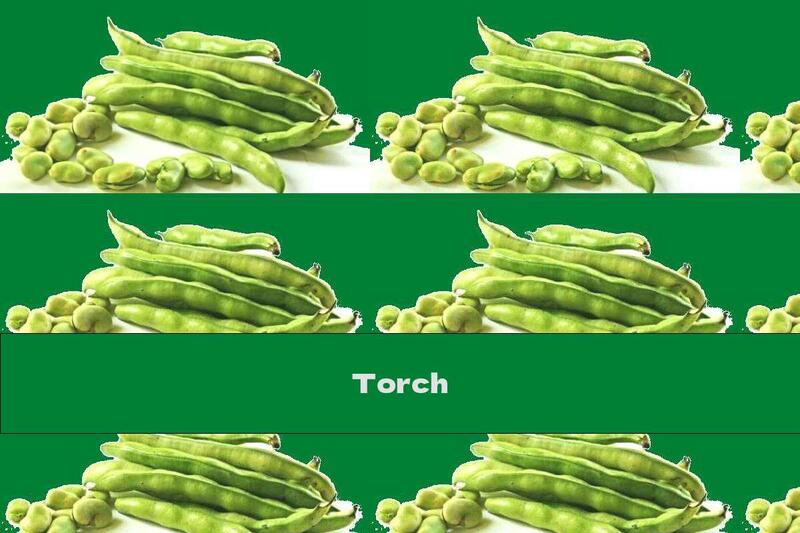
Beans are one of the earliest summer vegetables of the legume family. Its health benefits are not small, but it cannot be compared to green beans, for example. However, it deserves attention.
Nutritional value
In addition to taste, it is rich in protein and fiber. 100 grams of beans contain 62 calories, 10.1 grams of carbohydrates, of which 3.6 grams of fiber and 4.8 grams of protein. It also contains 73 milligrams of phosphorus and 193 milligrams of potassium. The vitamins with high concentration in beans are B9 and C.
Health benefits
Vegetables contain an amino acid known as L-Dopa, which stimulates the production of dopamine, a chemical used to treat Parkinson's.
- Improves immunity
Vitamin C stimulates the production of white blood cells and supports cell function. It also improves the immune system and helps fight disease.
- Prevention of anemia
Anemia is a disease caused by low hemoglobin and red blood cells. This leads to poor brain function and reduced immunity. It is estimated that half of the cases of anemia are caused by low levels of iron in the blood, and the others are due to genetic factors. Beans provide 1.5 milligrams of iron, which helps treat and prevent anemia.
- Prevention against some types of cancer
Cancer damages the structure of DNA. Because vitamin B9 helps DNA reproduce, it prevents damage and helps repair damaged cells. The small amount of vitamin B9 is associated with a higher risk of developing breast cancer, brain tumors, cervical cancer, colon cancer and lung cancer. Because beans provide a sufficient amount of the vitamin, it should be present in your diet.
- Eliminates free radicals
Manganese provides antioxidant properties, thanks to which it removes free radicals from the human body, damaging cells, leading to cancer and other diseases. The inclusion in the menu of healthy foods rich in manganese helps prevent the development of various diseases.
- Prevents the onset of osteoporosis
Manganese helps treat osteoporosis as it improves bone density.
- Improves sleep
Evidence shows that tryptophan promotes sleep and promotes overall health. Lack of sleep reduces concentration, memory, leads to depression, weight gain, muscle pain and more. Tryptophan is helpful for problems related to insomnia or sleep apnea.
- Supports eye health
Studies show that thiamine has the ability to prevent eye diseases such as glaucoma and cataracts.
- Prevents tooth decay
Phosphorus, which is contained in beans, helps maintain the health of gums and teeth. Vitamin D, calcium and phosphorus are essential for healthy teeth. The maintenance of tooth enamel depends mainly on the mineral density of the jawbone. These vitamins and minerals help treat tooth decay. Vitamin D and phosphorus are extremely important for the absorption of calcium in the body.
- Reduces the risk of stroke
Studies show that people who eat more foods rich in vitamin C and have high levels of this vitamin in their blood reduce the risk of stroke by 42%.
Contraindications
People with glucose-6-phosphate dehydrogenase deficiency (G6PD deficiency) should avoid consuming beans, and some of them need to drastically limit their intake of raw beans.
Those taking monoamine oxidase inhibitors should also avoid beans because they contain tyramine.
Symptoms that may occur with the consumption of legumes are dizziness, blood in the urine, jaundice and vomiting.
Top Nutrition Articles Today
- . The Importance of Carotene in Nutrition: A Complete Guide
- . The Role of e633 in Nutrition: Enhancing Flavor in Food Prod...
- . 7 Foods For Bigger And Firmer Breasts
- . The Role of Water in Nutrition: Importance and Benefits
- . Peanut Butter - Composition, Benefits And Harms Of Its Consu...
- . The Ultimate Guide to Calcium Carbonate in Nutrition: Benefi...
- . Highest Calorie Foods In The World
- . The Ultimate Guide to Cod Liver: Benefits, Nutrition, and Re...
- . The Truth About Potato Chips: Health Effects and Alternative...
- . Washing Syrup off of Canned Fruit: Benefits, How-To, and Rec...