What Are The Natural Sources Of Vitamin K?
 Author: Karen Lennox
Time for reading: ~1
minutes
Last Updated:
January 27, 2026
Author: Karen Lennox
Time for reading: ~1
minutes
Last Updated:
January 27, 2026
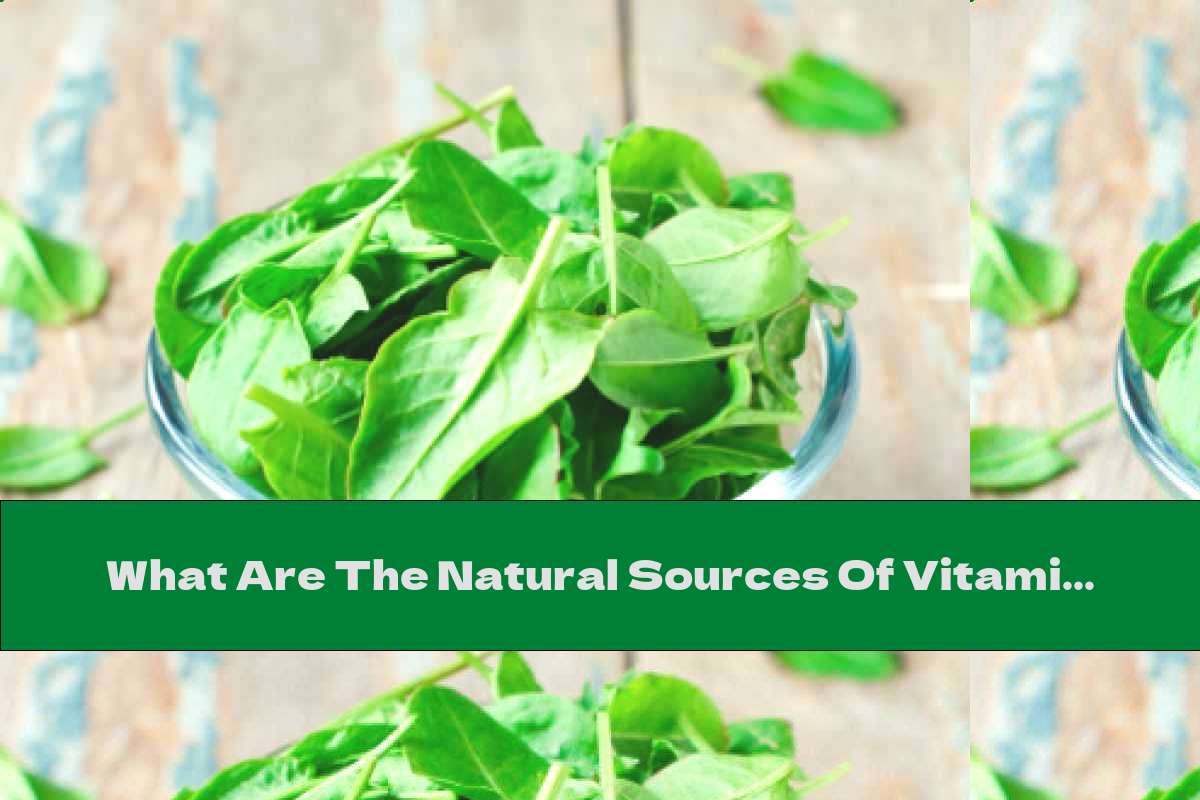
Large amounts of the vitamin are not needed, but it plays a key role in blood clotting.
Although vitamin K is not needed in large quantities by the body, it plays a key role in the process of blood clotting . This vitamin is fat soluble and helps maintain bone strength , especially in the elderly.
Vitamin K consists of a group of compounds: vitamin K1 (phylloquinone), vitamin K2 (menaquinone) and vitamin K3. Its low levels interfere with the process of blood clotting, which can lead to excessive bleeding. Vitamin K deficiency is a very rare condition, newborns are most affected.
The vitamin is synthesized in the body, but can also be obtained from food. We offer you some of the products with the richest content of vitamin K.
Green vegetables
Vitamin-rich green leafy vegetables include spinach , fresh onions, lettuce and mustard leaves. Other vegetables from which vitamin K can be obtained are broccoli, peas, cabbage and cauliflower.
Beans and soybeans
These beans, along with green beans, are high in the important vitamin . They can be consumed as sprouted grains, heat-treated or in combination with lentils for better taste and more nutrients.
Fruits
Daily consumption of fresh fruit provides the required daily dose of vitamin K. The fruits that contain it the most are strawberries, blackberries, plums, blueberries, grapes and kiwis.
Consumption of a bowl of these fruits will not only satiate you, but also provide other useful nutrients.
Related Articles
- The Ultimate Guide to Vitamin E: Benefits, Sources, and Recipes
- The Ultimate Guide to Vitamin E in Nutrition: Benefits, Sources, and More
- The Ultimate Guide to High Gluten Foods: Benefits, Sources, and Recipes
- The Ultimate Guide to Lactic Acid in Nutrition: Benefits, Food Sources, and Recipes
- The Ultimate Guide to Vitamin B12 in Nutrition