What Foods To Eat If You Are Zinc Deficient
 Author: Maryam Ayres
Time for reading: ~2
minutes
Last Updated:
August 08, 2022
Author: Maryam Ayres
Time for reading: ~2
minutes
Last Updated:
August 08, 2022
CHAPTERS (Table Of Contents)
Zinc deficiency can create a number of problems in the body. Find out which foods to get enough of the mineral.
Zinc is a very important mineral for our body and unlike others, such as iron and magnesium, it is often neglected.
Zinc is vital, it supports the immune system, supports wound healing, DNA synthesis and takes care of normal growth and development of the fetus during pregnancy. Our body does not store zinc, so we need to find sources of the mineral every day.
Here are the foods to eat if you are zinc deficient :
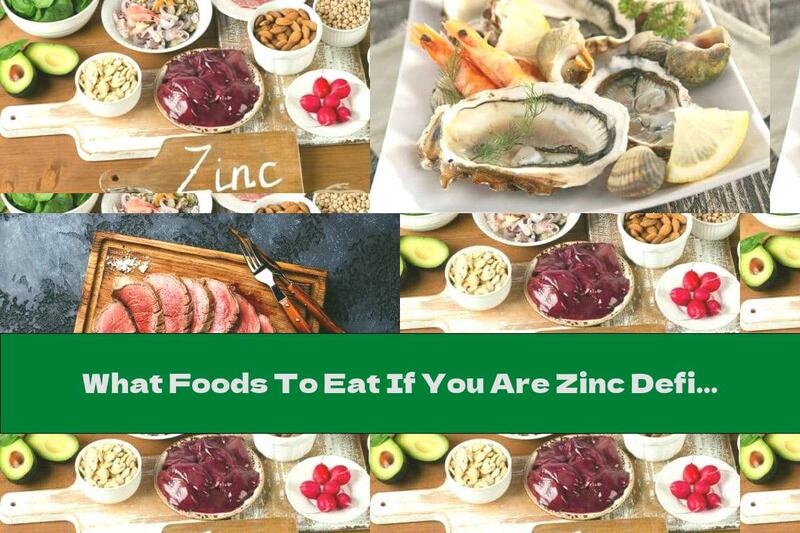
1. Shellfish
Shellfish are rich in zinc, especially oysters - they have about 74 milligrams of zinc per 100 grams. They also contain omega-3 proteins that support heart health. They also contain iron, a mineral needed to transport oxygen to the body.
King crab contains 6.5 milligrams per serving (about 100 grams) and lobsters 3.5 milligrams.
2. Beef
There is 7 milligrams of zinc in 100 grams of beef, which is almost the required daily dose for women. In addition, beef contains B12, which is an extremely important vitamin for health.
3. Cereals
Cereals also contain zinc - 3.8 milligrams for 3/4 cup of tea, which is 25% of your daily requirement. If you eat oatmeal every day, you can easily get a good amount of zinc.
4. Dairy products
If you do not have lactose intolerance, you can add various dairy products to your menu. Low-fat yogurt contains 1.7 milligrams of zinc in 200 grams, and cheese about 1.2 milligrams per 30 grams.
5. Nuts and seeds
Cashews, pumpkin seeds, almonds are rich in zinc and you can eat them as a snack. Pumpkin seeds are richest in zinc, in a serving of 30 grams there are 1-2 milligrams of zinc, you will also get omega-3, protein and magnesium.
6. Chickpeas
Half a cup of chickpeas contains about 1.3 milligrams of zinc. It also provides the body with fiber, protein and healthy fats. Chickpeas improve blood sugar levels and lower cholesterol.
What happens when you have a zinc deficiency?
You may have an abnormality in the thyroid gland, acne, infertility (especially in men), a weak immune system, thinning hair, weight loss, rashes, loss of appetite, slower wound healing, and even depression. Zinc deficiency also affects libido because it plays a role in testosterone production.
On the other hand, too high levels of zinc can also cause problems. It can cause toxicity, disrupt the storage of copper and iron. This in turn leads to gastrointestinal problems, confusion, rashes.
So be careful with your zinc intake. It is best to examine yourself before deciding that you have any of the symptoms associated with its deficiency and thus take adequate measures to improve your health.
The recommended daily value for women is about 8 milligrams, and for men 11, and vegetarians should increase their intake because zinc is absorbed less from plant foods than from meat.
Related Articles
- Nutrition for Respiratory Health: Supporting Your Lungs with the Right Foods
- The Ultimate Guide to High Gluten Foods: Benefits, Sources, and Recipes
- The Ultimate Guide to High Gluten Foods: Effects, Benefits, and Recipes
- The Truth About E477 in Food: What You Need to Know
- The Nutritional Value of Potato Chips: What You Need to Know
Top Nutrition Articles Today
- . 7 Foods For Bigger And Firmer Breasts
- . The Role of e633 in Nutrition: Enhancing Flavor in Food Prod...
- . Peanut Butter - Composition, Benefits And Harms Of Its Consu...
- . The Power of Spinach: Health Benefits and Recipes
- . The Health Benefits of Nori: A Nutritious Seaweed for Thyroi...
- . List of Foods that Contain Carrageenan: A Guide to Avoiding...
- . The Role of Cellulose in Nutrition: Benefits, Sources, and T...
- . To Relieve Constipation - Eggplant
- . How To Freeze Hawthorn
- . Ammonium: The Role of Ammonium in Nutrition and Health