What Is Nutrition In Diabetes?
 Author: Alexander Bruni
Time for reading: ~2
minutes
Last Updated:
August 08, 2022
Author: Alexander Bruni
Time for reading: ~2
minutes
Last Updated:
August 08, 2022
CHAPTERS (Table Of Contents)
The disease is particularly dependent on diet. In mild diabetes, a diet is determined that has a therapeutic purpose. Diet is especially important in moderate diabetes and a necessary condition in severe cases.
Between 9 and 30% of the population suffers from obesity. With obesity, the risk of developing type 2 diabetes is higher. The risk of ischemic heart disease doubles or even triples.
Weight loss is essential for maintaining good health, as excess weight predisposes to increased body sensitivity to insulin.
The disease is particularly dependent on diet. In mild diabetes, a diet is determined that has a therapeutic purpose. Diet is especially important in moderate diabetes and a necessary condition in severe cases.
About 55-60% carbohydrates, 11-16% protein and 30% fat should be consumed per day.
In addition to food, a sufficient amount of water should be taken to ensure the body's smooth metabolic processes.
Carbohydrates contained in plants are a major source of energy for the body.
There is no direct relationship between the caloric content of the product and the blood sugar level.
In addition to carbohydrates and fats are a source of energy.
Protein is a basic building block for the body, muscles, skin, tendons, ligaments, blood cells and the brain. They are a poor source of energy.
Since the 1970s, it has become clear that there is a link between the consumption of high-fat foods and heart disease, the risk of which is high in diabetics.
Today, diabetics are advised to eat foods that contain complex carbohydrates, fiber, low in sugar and fat.
Diet in diabetes is not only part of the treatment, but also an effective tool in the treatment of the disease.
Basic rules in nutrition
1. Regular meals, at least 3 times a day.
2. Choose foods rich in fiber, at least 20-30 mg per day high in starch - wholemeal bread, beans, peas and lentils. This type of food leads to a slight increase in blood sugar, as fiber slows down the processes of glucose absorption.
3. Minimize drinks and products that contain sugar.
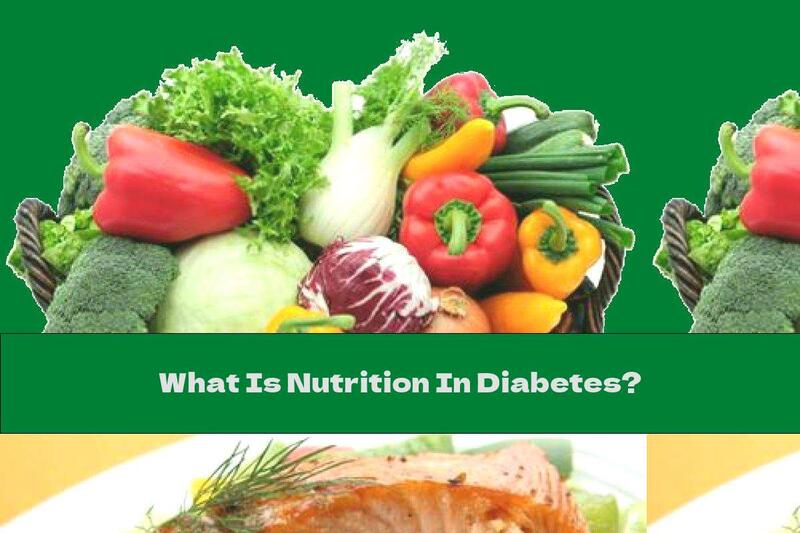
4. Eat as many fresh fruits and vegetables as possible. From them you provide the body with fiber and vitamins. Large amounts of sweet fruits, such as grapes and mangoes, should not be eaten.
5. Dried fruits can be eaten, but in small quantities.
6. It is necessary to monitor the amount of fat ingested. Only 10% of the calories consumed during the day should be obtained from fatty substances.
7. Reduce the use of salt - it leads to an increase in blood pressure.
8. Alcohol can be drunk only in moderation, as it has the ability to lower blood sugar below the acceptable minimum - 3.3 mmol / l.
Permissible amounts of alcohol:
- liqueur - prohibited,
- sweet and semi-sweet wines - prohibited,
- semi-dry and dry wines - 250 ml,
- concentrated alcohol - 50 ml.
9. Carbohydrate products that contain sugar and starch such as: chocolate, biscuits, bread, potatoes, fruit, jam, increase blood sugar levels.
When the body is healthy, the balance is quickly restored under the influence of insulin, a hormone produced by the pancreas.
Related Articles
- The Ultimate Guide to Hickory Smoked Bacon in Nutrition and Healthy Eating
- Fruitskewers in Honey Syrup: Nutritional Benefits and Recipes
- The Ultimate Guide to Buffer 500 in Nutrition: Benefits and Usage
- Nutritional Benefits of Fruit Skewers in Honey Syrup: A Delicious and Healthy Recipe
- Nutrition Guide: Fruitskewers in Honey Syrup - Benefits, Recipes, and More
Top Nutrition Articles Today
- . The Power of Guar Gum: Benefits for Digestive Health and Wei...
- . List of Foods that Contain Carrageenan: A Guide to Avoiding...
- . How To Cook Beets So That They Do Not Lose Color
- . The Complete Guide to E120i in Nutrition: Origin, Health Con...
- . All You Need to Know About E635: Uses, Safety, and Health Im...
- . The Ultimate Guide to Magnesium Carbonate in Nutrition: Bene...
- . Nutrition In Lymphedema (lymphostasis, Elephantiasis, Elepha...
- . The Nutritional Benefits of Raisins for Brain Health
- . The Complete Guide to E150a: Safety, Health Effects, and Alt...
- . Lycopene In Carrots