What Is Skin, Composition And Benefits For The Body
 Author: Karen Lennox
Time for reading: ~7
minutes
Last Updated:
August 08, 2022
Author: Karen Lennox
Time for reading: ~7
minutes
Last Updated:
August 08, 2022
CHAPTERS (Table Of Contents)
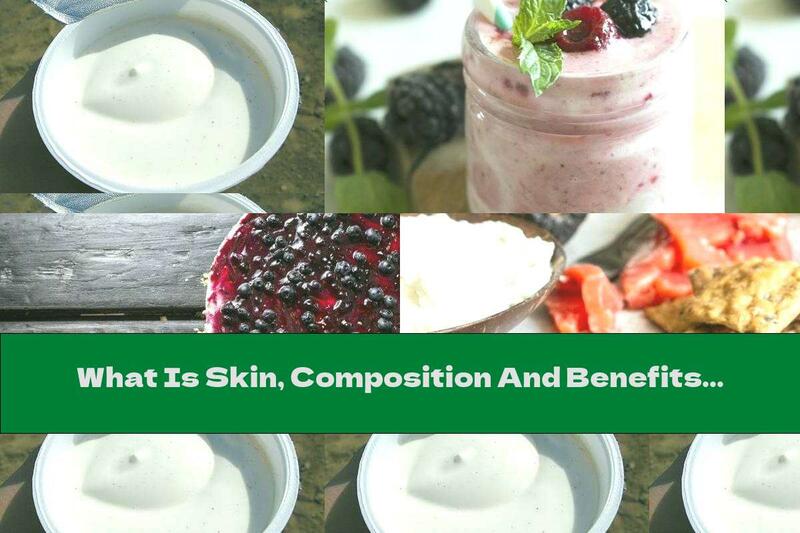
Skin is a cultivated Icelandic dairy product that resembles strained and yogurt. It is popular all over the world and is available both natural and with the addition of fruits, nuts and sweeteners.
Skin is a cultured Icelandic dairy product that resembles strained and yogurt. It is popular all over the world and is available both natural and with the addition of fruits, nuts and sweeteners.
Skin is rich in vitamins and minerals, a good source of calcium and contains probiotic bacteria. Calcium is important for bone health, and probiotics help maintain a healthy gut. Saturates a person for a longer time, protects against osteoporosis, supports heart health, regulates blood sugar levels and provides a good amount of protein with minimal amounts of carbohydrates and fats, which makes it a nutritious food that can be a great healthy addition to most diets .
Usually a high-protein breakfast, healthy desserts or a snack are prepared with skir.
Find out about all the health benefits of skin consumption, its composition and contraindications by reading the article to the end.
What is Skir?
Skir is a staple food in Iceland since the Vikings settled there more than 1,100 years ago. Skir is even mentioned in some of the Sagas, the famous Viking stories and early Icelandic history.
Today, skir is mostly made only from skimmed fresh cow's milk, but was originally made from both sheep's and cow's milk. The milk is warmed and live cultures of bacteria are added, and after it thickens, it is filtered to remove the whey. It resembles the traditional Bulgarian yoghurt, has a similar taste, but a denser texture.
Skiing has become increasingly popular in recent years and can now be found in many grocery stores around the world, including in Bulgaria.
Composition and useful properties
Composition of the skiThe skin is low in calories, fat and carbohydrates. Although its exact nutrient content varies by brand, a serving of 170 grams of natural skin contains:
- 110 calories;
- 19 grams of protein;
- 7 grams of carbohydrates;
- 0 grams of fat;
- Phosphorus - 25.5% of RDP (reference daily intake);
- Calcium - 20% of RDP;
- Riboflavin - 19% of GDP;
- Vitamin B12 - 17% of RDP;
- Potassium - 5% of RDP.
Skin is a naturally defatted product, although cream is sometimes added during processing, which can increase the fat content. It also contains more protein than many other types of dairy products - about 11 grams of protein per 100 grams of product. By comparison, the same amount of yogurt contains about 7 grams of protein, while whole milk contains 3.2 grams.
Health benefits of skir consumption 1. Satisfies for a long timeThree to four times more fresh milk is needed for the production of skin than for the preparation of traditional Bulgarian yoghurt, which makes it a thicker food product with a higher protein content.
Studies have found that dairy protein can regulate blood sugar, improve bone health and help maintain muscle mass during weight loss.
Protein can also be useful for weight maintenance, given that it satisfies and reduces hunger. Consumption of high-protein dairy foods, such as yogurt, has been shown to help prevent weight gain and subsequent obesity.
A study found that high-protein snacks such as yogurt affect appetite, compared to unhealthy snacks such as chocolate and biscuits. Another study compared the effects of low-protein, low-protein and high-protein yogurts on hunger and appetite. Consumption of high-protein yogurt has been found to reduce hunger, increase satiety and delay subsequent meals later in the day.
The facts also suggest that protein can stimulate diet-induced thermogenesis, which speeds up metabolism and allows the body to burn more calories after eating.
2. Protects against osteoporosisThe skin is high in the important element calcium. About 99% of calcium in the body is found in bones and teeth. While collagen forms the basic structure of bones, the combination of calcium and phosphorus makes them strong and dense.
Studies show that calcium intake in children and adolescents is associated with increased bone density and bone growth. With age, the bones begin to lose some of this density, leading to porous bones and a condition known as osteoporosis .
Studies have shown that increasing calcium intake can prevent osteoporosis. A three-year study in women showed that consuming more calcium from dairy foods helps maintain bone density. Another study in elderly women found that taking calcium supplements in the long run helps keep bones healthy. Calcium can be supplied from dairy products (cheese, cottage cheese, milk, cream), spinach, parsley, vegetables, fish and others, while just one serving of skin can provide 20% of the recommended daily amount of the mineral (from 100 to 280 mg , by gender and age).
3. Supports heart healthHeart disease is the leading cause of death worldwide and accounts for almost 31% of all deaths. Fortunately, it has been found that dairy products such as skin can be associated with a reduced risk of heart disease. Probably because they contain minerals such as calcium, potassium and magnesium, which are important for heart health.
A 24-year-old Japanese study found that for every 100 grams of dairy product, there was a 14% reduction in heart disease deaths. Another study found that dairy products can help lower blood pressure, and three servings a day can cause a significant reduction in systolic blood pressure in men with high blood pressure.
4. Maintains blood sugar levelsThe skin is low in carbohydrates, which can help control blood sugar. The human body breaks down carbohydrates into glucose. A hormone called insulin is then responsible for transporting glucose into cells to be used as energy.
When you eat too many carbohydrates, this process does not work as effectively and can lead to high blood sugar levels. Studies show that protein intake slows down the absorption of carbohydrates, which leads to better control and lower blood sugar levels.
A 16-week study compared high-protein diets with those with normal protein content. Replacing carbohydrates with protein has been found to significantly improve blood sugar control. It is not necessary to completely exclude carbohydrates from the daily menu, unless it is necessary for health reasons and the diet requires it to improve the condition of the person.
Contraindications
The skin is made from fresh cow's milk, and some people are allergic to casein or whey, the two proteins found in milk. For them, skin and other milk-based products can cause an allergic reaction with symptoms ranging from bloating and diarrhea to anaphylaxis, so they should avoid consuming them.
Lactose is a type of sugar that is found in milk and is broken down by the enzyme lactase. People who suffer from lactose intolerance lack this enzyme, and after consuming products containing lactose, it can lead to stomach pain and other digestive disorders. Fortunately, the process of making skir removes about 90% of the lactose content, so many people with lactose intolerance can tolerate moderate amounts of skir. However, it is best to try a small amount first to see if the body will show any of the side effects and then take it if all is well.
How is skir consumed?
The traditional skir is served with a few tablespoons of milk and honey. You can prepare breakfast with oatmeal or add crushed nuts (walnuts, hazelnuts, almonds) or other. To prepare a pleasant and light dessert can be combined with various fruits, jam, marmalade or marmalade.
Flavored types of skin are also popular and are usually sweetened with sugar or artificial sweeteners. In addition, the skin is included in various recipes - from flatbreads to fries, puddings and more. You can replace the high-fat yogurt in the recipes with skir to take advantage of all its health benefits.
Here are some recipes and options on how to make skir: 1. Smoothie with skin and berries
For the preparation of smoothies with skin and berries you need 150 grams of skin, 1 vanilla, berries and 60 milliliters of milk (nut or other). Blend all ingredients until smooth. Optionally add honey or other sweetener and garnish with fresh mint leaves.
2. Icelandic protein cake with blueberries and skin
Prepare an Icelandic protein cake with blueberries and skins , using your favorite seasonal fruits and, if desired, replace the skis with thicker yogurt or skim milk.
3. Grilled with salmon and avocado
Another way to use skir in recipes is to spread it on whole grain crackers and garnish with slices of cucumber, smoked salmon, mozzarella and optionally pieces of avocado. You can also try skin in combination with dill, boiled wheat, freshly squeezed lemon juice, pieces of smoked salmon and diced cucumber. Serve as a healthy and very tasty lunch after a workout or for a full dinner.
Skir can be eaten in many different ways. It can replace yogurt in almost all recipes and be added to the ingredients for pancakes, hummus, fruit desserts and even the traditional Bulgarian milk salad , also known as Snow White salad.
Related Articles
- The Power of Honeysuckle: Health Benefits and Recipes
- Fruitskewers in Honey Syrup: Nutritional Benefits and Recipes
- The Ultimate Guide to Buffer 500 in Nutrition: Benefits and Usage
- Nutritional Benefits of Fruit Skewers in Honey Syrup: A Delicious and Healthy Recipe
- Nutrition Guide: Fruitskewers in Honey Syrup - Benefits, Recipes, and More