Which Foods Are Richest In Magnesium?
 Author: Joe Fowler
Time for reading: ~1
minutes
Last Updated:
August 08, 2022
Author: Joe Fowler
Time for reading: ~1
minutes
Last Updated:
August 08, 2022
CHAPTERS (Table Of Contents)
With which fruits, vegetables, nuts and seeds do we cover our daily needs for magnesium?
Those familiar with the many benefits of magnesium for the normal functioning of the body should make the most of any natural source of this trace element.
Many foods contain magnesium in sufficiently high doses so that regular consumption can provide it in 100% of the recommended daily doses and eliminate the need for additional intake.
The daily need for magnesium changes with age, maintaining 2 main trends. The recommended daily intake increases until puberty and then decreases slightly. In addition, regardless of age, men need higher doses after puberty.
The daily needs for magnesium for both sexes in the different age groups are as follows:
| Age (years) | Men (in milligrams) | Women (in milligrams) |
| 4-8 | 130 | 130 |
| 9-13 | 240 | 240 |
| 14-18 | 410 | 360 |
| 19-30 | 400 | 310 |
| over 30 | 420 | 320 |
Foods rich in magnesium
Fruits
Among the fruits with the highest magnesium content are avocados, bananas, figs and some more exotic representatives such as pineapple and passion fruit. 100 g of them contain on average about 30 mg of magnesium , ie. about 7% of the recommended daily intake for men and about 9% of that for adult women.
Vegetables
Leading in magnesium content among them are spinach, legumes, lentils, cauliflower and potatoes. The leader is spinach , and 100 g of it contains about 80 mg of magnesium. In the other listed vegetables the content of the microelement is about 25 mg per 100 g.
Nuts
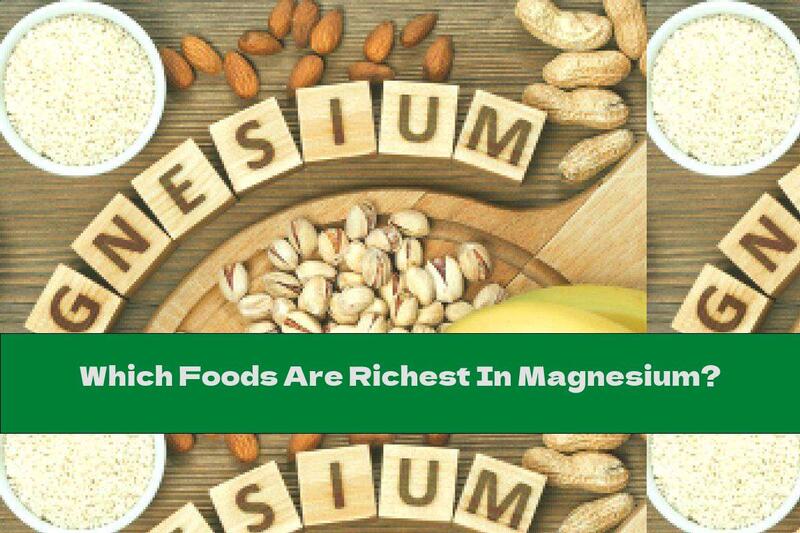
Cashew contains the most magnesium. Only 100 g of it provide about 300 mg of magnesium, ie. almost the entire required daily dose for women and about 70% of that for men. After the cashews , the peanuts with 170 mg of magnesium in 100 g and the almonds - 80 mg / 100 g.
Seeds
Among the representatives of this group of foods very useful for our general health is the undisputed leader in magnesium content - pumpkin seeds . 100 g of pumpkin seeds contain almost 600 mg of the valuable trace element, ie. both men and women can get the full amount of magnesium for the day with just about a handful of pumpkin seeds . Immediately after them is sesame , which contains over 350 mg of magnesium per 100 g.
All these foods are useful in several different ways, and the magnesium content is a key part of their diverse composition. Get them regularly to ensure all the benefits that this invaluable trace element brings at any age.
Related Articles
- Nutrition for Respiratory Health: Supporting Your Lungs with the Right Foods
- The Ultimate Guide to High Gluten Foods: Benefits, Sources, and Recipes
- The Ultimate Guide to High Gluten Foods: Effects, Benefits, and Recipes
- Nutrition and Libido: Enhance Your Sex Drive with the Right Foods
- Understanding E+631 in Nutrition: Health Implications, Common Foods, and Alternatives