Which Foods Are We Most Easily Addicted To?
 Author: Ivan Red Jr.
Time for reading: ~1
minutes
Last Updated:
August 08, 2022
Author: Ivan Red Jr.
Time for reading: ~1
minutes
Last Updated:
August 08, 2022
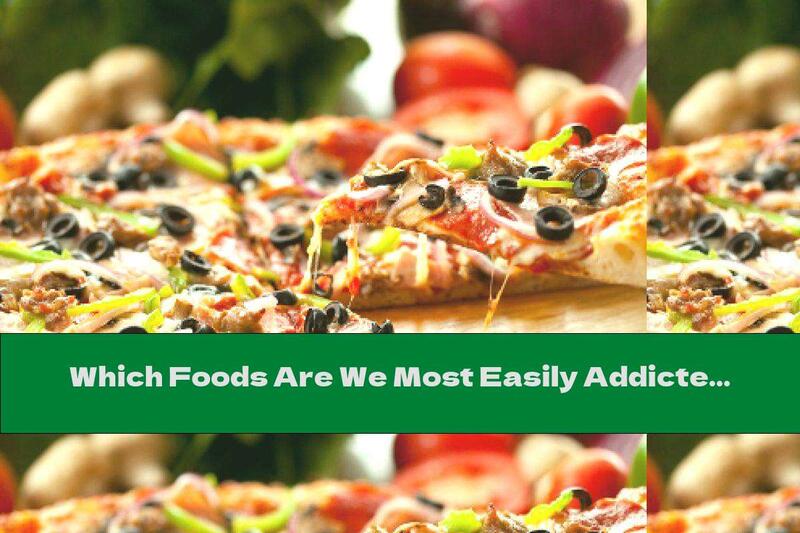
In this article, learn more about Which Foods Are We Most Easily Addicted To?. Food addiction, like drug addiction, can lead to resistance to certain foods..
Addiction can occur not only to drugs , alcohol or cigarettes, but also to food. Experts have identified foods that can be as addictive as heroin and cocaine, and this can play a very bad joke on those who aim to lose weight .
The similarities between food addiction and drugs are impressive. Foods that are high in calories and fat affect the pleasure centers in the brain in a way very similar to cocaine and heroin. The more we consume these foods, the more we thirst for them and, accordingly, the pleasure center in the brain is stimulated .
In addition, just as addicts develop resistance to certain drugs , people who show signs of food addiction develop resistance to certain foods. Although full, those affected continue to eat, although food is less and less satisfying .
This condition can affect not only those who are struggling with excess weight . People who are of normal weight may also lose control of their diet.
The foods that are most addictive are high in fat and calories , they are processed foods that contain excessive amounts of sugar. The long list of foods that lead to addiction includes: pizza, chocolate, packaged biscuits, ice cream, french fries , cheeseburger, cola, pastries, fried chicken, popcorn.
Like any other addiction , this one for certain foods requires intensive intervention. In these cases, you should consult a doctor to advise on dietary changes and other possible methods that would be helpful.
Related Articles
- Nutrition for Respiratory Health: Supporting Your Lungs with the Right Foods
- The Ultimate Guide to High Gluten Foods: Benefits, Sources, and Recipes
- The Ultimate Guide to High Gluten Foods: Effects, Benefits, and Recipes
- Nutrition and Libido: Enhance Your Sex Drive with the Right Foods
- Understanding E+631 in Nutrition: Health Implications, Common Foods, and Alternatives