Why Avoid Crab Rolls?
 Author: Joe Fowler
Time for reading: ~1
minutes
Last Updated:
August 08, 2022
Author: Joe Fowler
Time for reading: ~1
minutes
Last Updated:
August 08, 2022
CHAPTERS (Table Of Contents)
In this article, learn more about Why Avoid Crab Rolls?. Crab rolls have virtually no shrimp meat and lack its nutrients..
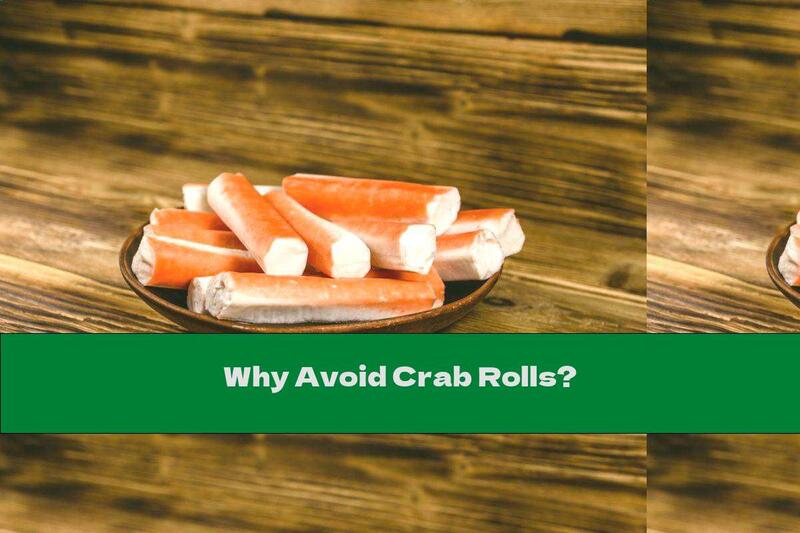
Anyone who has eaten the so-called Crab rolls, widely available in grocery stores, can "boast" that he has successfully misled his stomach about the type of food he eats. The truth is that what crab rolls are made of has nothing to do with crab meat, but is only a resemblance to it - an imitation product. Successfully imitating its taste, but not its nutritional qualities.
The product from which commercial crab rolls are prepared is affordable, easy to prepare, and low in nutritional value.
Real shrimp, like most seafood, is high in protein and low in carbohydrates. Studies show that the contents of crab rolls from the store are just the opposite. They are rich in carbohydrates and calories and at the same time are very low in protein.
A closer look at the composition of crab rolls shows that they are made from a gel-like paste of finely groundfish products. However, it forms a small part of the total mass, which is dominated by added starch, artificial colors, and flavors to mimic the qualities of real shrimp meat.
This composition of crab rolls is the reason why they are often referred to as the equivalent of sausages in terms of their highly processed composition and method of production.
Are crab rolls with imitation meat useful or harmful?
These foods cannot be directly identified as harmful, but it should be noted that they lack most of the nutrients found in real shrimp meat. In addition to the lower protein content, they are also characterized by a negligible presence of selenium, zinc, magnesium, iodine, vitamins A, B12, and D, unlike real sea crabs.
Therefore, there is practically no dilemma here - if you feel like eating shrimp, bet on the more expensive, but authentic, and really useful product. The only positive of crab rolls is the fact that they can be eaten as a substitute for real seafood by people who are allergic to crustaceans.
Related Articles
- E904: Safety, Benefits, Concerns, and How to Avoid in Your Diet
- The Significance of 404 in Nutrition: Avoiding Nutrient Deficiencies
- The Ultimate Guide to Food Labels in Nutrition: Decoding, Choosing, and Avoiding Pitfalls
- Nutrition for Fibroids: Key Nutrients, Foods to Avoid, and Meal Plan
- Fatty Liver Disease Diet: Importance, Foods to Include and Avoid, Meal Plan
Top Nutrition Articles Today
- . Calcium In Lentils
- . Diet After Surgery Of The Small And Large Intestine
- . The Power of Red Foods: Health Benefits and Nutrition Guide
- . Understanding Emulsifier E481: Functions, Health Impact, and...
- . The Ultimate Guide to Magnesium Carbonate in Nutrition: Bene...
- . The Importance of Food Labels in Nutrition: A Comprehensive...
- . What Are The Benefits Of Salmon Caviar
- . Rc Whey Protein
- . Jam For Breakfast To Lose Weight? Why Not?
- . Non Protein Enzymes