Yams (sweet Potato)
 Author: Joe Fowler
Time for reading: ~1
minutes
Last Updated:
August 08, 2022
Author: Joe Fowler
Time for reading: ~1
minutes
Last Updated:
August 08, 2022
CHAPTERS (Table Of Contents)
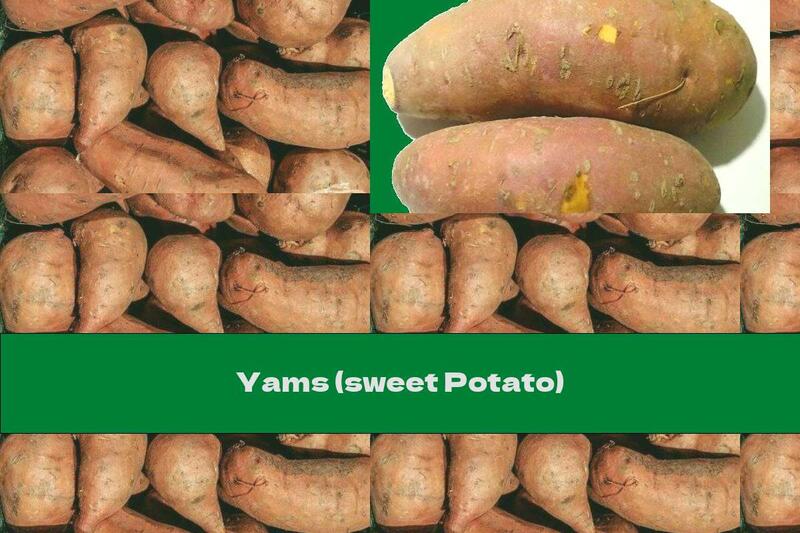
Yam is a tuberous plant, similar to a potato. It contains a lot of starch, protein, vitamins B and C, as well as minerals.
Yams is a tuberous plant that resembles a potato. It grows in subtropical and tropical climates, so it is found mainly in Latin America, Africa, Asia and Oceania, where it is one of the most important crops.
The nutritional value of yam is high, it contains a lot of starch and protein. The amount of fat is not large, so it can be safely consumed without worrying about the figure (in reasonable quantities, of course).
Nutritional composition of yams (sweet potatoes)
Yams have a varied nutritional composition. It is rich in cellulose, vitamin C and B vitamins. Minerals are represented by phosphorus (55 mg), magnesium (21 mg), potassium (816 mg), calcium (17 mg), and sodium (9 mg), from trace elements : zinc and copper, iron, selenium, manganese.
Tubers contain phytoestrogens, which normalize the hormonal balance in the female body, relieve menstrual pain, contribute to a regular menstrual cycle, help during menopause, slow down the onset of menopause, respectively prolong youth.
In the recent past, this was the only source of diosgenin used to make birth control pills.
Useful properties of sweet yams potatoes
In modern medicine, the roots of the plant are used in the production of dietary supplements to help with stomach cramps, gout and rheumatoid arthritis. Such products give good results when applied after a stroke and heart attack, as a prophylactic against various diseases of the cardiovascular system and to strengthen immunity.
The infusion is prepared from the tubers at home, which eliminates headaches and dizziness, helps with tachyarrhythmias and angina, and is also used for cataracts.
Harm and contraindications from the consumption of sweet yams potatoes
Yams should not be consumed raw, as the substances contained in it can cause diseases of the gastrointestinal tract, liver and kidneys.
The side effects of medications and supplements that include the product are minimal. If the recommended dose is exceeded, nausea, vomiting and diarrhea may occur.
Alcohol tincture of the plant is taken only on prescription, because the active ingredients in the root can irritate the gastrointestinal tract. Limit fluid intake in the presence of gastric and intestinal ulcers, gallstones, acute pancreatitis, cholecystitis and hepatitis.