Zucchini Color - Benefits And Harms
 Author: Nia Rouseberg
Time for reading: ~3
minutes
Last Updated:
August 08, 2022
Author: Nia Rouseberg
Time for reading: ~3
minutes
Last Updated:
August 08, 2022
CHAPTERS (Table Of Contents)
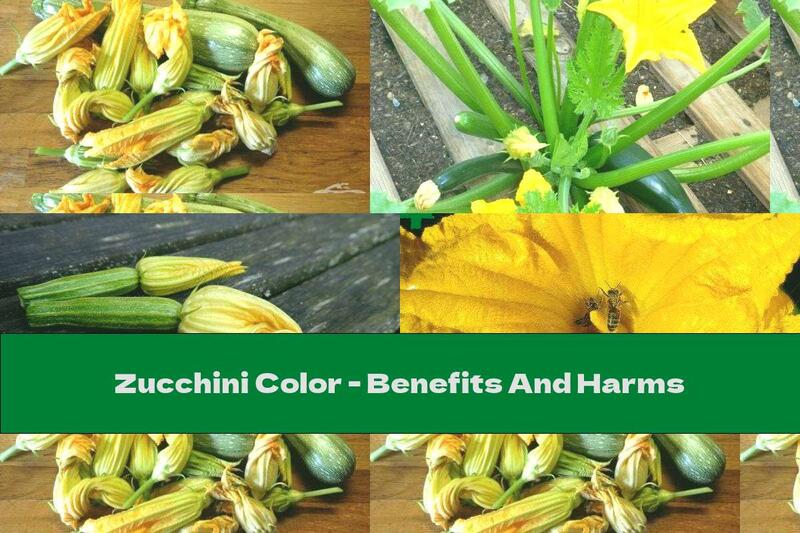
Zucchini flowers are painted in iridescent orange-yellow shades. They are edible. They have a slightly sweet almond flavor. They are rich in antioxidants, vitamins and minerals.
Zucchini flowers are beautiful, colored in iridescent orange-yellow shades. They are also edible, as are the zucchini themselves. They are used in cooking, where they accompany various dishes. They are a highly valued delicacy, characterized by a slightly sweet almond flavor. The recipes for their preparation are many and varied, but in any case they are equally appetizing and delicious.
Nutritional value of zucchini flowers
Zucchini flowers contain vitamin C, which is important for the prevention of infections. Zucchini flowers are rich in antioxidants, fiber, vitamins A, C, E, K, as well as the minerals zinc, magnesium, manganese, potassium, copper and calcium. Cooked zucchini flowers can provide a significant part of the body's daily need for vitamin C.
Useful properties of the consumption of zucchini flowers
Antioxidants help prevent the aging of cells in the body, as well as the negative effects of free radicals. Thanks to the fiber and water in the composition, they have laxative and diuretic properties that cleanse the body of toxins and promote digestion. On the other hand, they are very light foods that do not contain fat and calories, so they are ideal for consumption in compliance with diets.
The elements calcium, potassium, sodium, magnesium, phosphorus and iron contained in the flowers support the activity of the cardiovascular system, strengthen immunity, prevent the appearance of carcinogenic cells and stimulate brain activity, and vitamins improve eye health and vision.
It is recommended for use by people suffering from atherosclerosis, anemia, obesity or stomach diseases. They are a good source of omega-3 fatty acids, zinc and protein, folic acid, so they are suitable for consumption by pregnant women and adolescents.
1. They are good for the heartBoth zucchini and flowers contain potassium, which helps lower blood pressure. Magnesium also helps maintain normal blood pressure and heart rate.
2. Help in the fight against excess weightTheir extremely low caloric content makes zucchini an ideal food to add to diets for weight loss. The fiber it contains also helps burn fat.
3. Keeps the body hydratedZucchini contains 95% water, which keeps the body hydrated, gives more energy and can reduce the appearance of headaches.
Use of zucchini color in cooking
The flowers can be eaten raw on their own or as a side dish, added to salads, dishes, appetizers, as well as decoration to fabrics and desserts. They can also be filled with cheeses flavored with herbs and fried or baked until crispy. They can be found in hypermarket chains as well as sourced from vegetable growers.
Only female flowers can turn into zucchini, so choose to eat male flowers. They have a long, slender stem and usually grow around the outer edges of the plant. Female flowers tend to grow closer to the center and have small, bulbous fruits at the base of flowering where they meet the stem.
How to distinguish male from female flowers from zucchini?
Zucchini have both female and male flowers, which have clear differences. Both types can be cooked. The male flowers have a single, long stamen covered with pollen, and the female flowers have a stigma with multiple stems inside. The male color has a long and slender stem, while the female color has a shorter stem.
You can also look at the point where the petals of the flowering attach to the stem. The male flowers have only a slender stem, while the females have a small bulbous area. Only the male color has a stamen in the center of the flower. The male and female flowers of zucchini open only for one day, open in the morning and close until the afternoon.
Contraindications to the consumption of zucchini color
Before eating, remove the green parts around the buds, called sepals, shake the inside to clean them. Then gently immerse them in water at room temperature and allow them to dry. Store in the refrigerator, wrapped in a damp paper towel. This will keep them for about two days.
Keep in mind that flowers that have pollen can cause allergic reactions in some people. Removal of the reproductive organs (stamen and pistil) reduces the risk, but does not eliminate it.
Related Articles
- The Power of Honeysuckle: Health Benefits and Recipes
- Fruitskewers in Honey Syrup: Nutritional Benefits and Recipes
- The Ultimate Guide to Buffer 500 in Nutrition: Benefits and Usage
- Nutritional Benefits of Fruit Skewers in Honey Syrup: A Delicious and Healthy Recipe
- Nutrition Guide: Fruitskewers in Honey Syrup - Benefits, Recipes, and More
Top Nutrition Articles Today
- . Nutrition In Hyperopia (farsightedness)
- . How To Cook Lunch For School: Pizza, Salad, Raw Candy, Pear,...
- . What To Cook With Sweet Potato
- . 5 Recipes For Potato Casserole In The Oven
- . Understanding Cholesterol in Nutrition: Impact, Types, and R...
- . The Role of Nitrogen in Nutrition: Importance and Sources
- . Cooking A Festive Dinner In A Slow Cooker
- . How To Fry A Potato With A Crust
- . How To Make Easy Potato Salad
- . Nutritional Benefits of Fruit Skewers in Honey Syrup: A Heal...