Artificial Sweeteners Can Cause Diabetes
 Author: Maryam Ayres
Time for reading: ~1
minutes
Last Updated:
August 08, 2022
Author: Maryam Ayres
Time for reading: ~1
minutes
Last Updated:
August 08, 2022
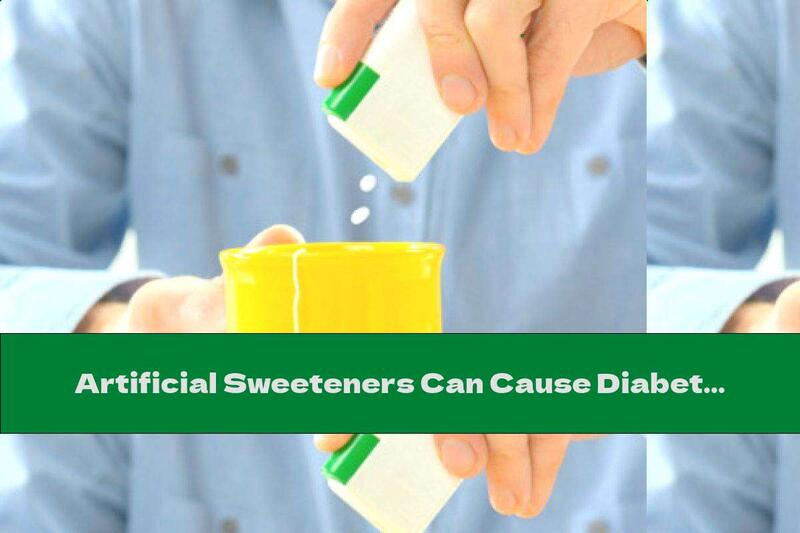
The composition of intestinal bacteria is crucial for the metabolic health of the body.
The role of sugar substitutes is to provide the same feeling of sweetness, but without calories , thus helping you achieve a healthy weight. Unfortunately, however, they can achieve the exact opposite effect.
This illogical statement has been confusing to the scientific community for some time, but a new study has found the missing link.
Scientists are conducting several laboratory experiments that reveal interesting facts. First, consumption of water sweetened with saccharin , aspartame and sucralose was found to lead to the development of glucose intolerance , as well as to metabolic syndrome and type 2 diabetes .
Another interesting finding is that the consumption of water sweetened with sugar does not lead to glucose intolerance.
During the next phase of the study, again in the laboratory, the researchers manipulated the composition of the bacteria in the gut to determine the effect of artificial sweeteners on glucose intolerance . They found that a change in the composition of the intestinal microflora "eliminates" glucose intolerance.
Human studies have found a significant association between the consumption of artificial sweeteners, the composition of intestinal bacteria and the tendency to develop glucose intolerance.
Finally, experts are undertaking a small study to "measure" intestinal bacteria in people in good health. It turns out that only a week after the participants start consuming artificial sweeteners, glucose intolerance begins to be observed and the composition of intestinal bacteria is changed.
Scientists explain that "happy intestines" are the basis of metabolic health . They add that "good" bacteria modulate processes such as insulin resistance and the inflammation that leads to weight gain.
The study is published in the journal Nature .
Related Articles
- Nutrition and Bloating: Causes, Diets, Recipes, and Supplements
- Nutrition and Gastroparesis: Causes, Symptoms, and Dietary Recommendations
- Therapeutic Nutrition For Diabetes: Managing Blood Sugar Through Diet
- Nutrition and Liver Cysts: Causes, Impact, and Recommended Diet
- Glossitis and Nutrition: Causes, Diet Impact, Foods, Supplements
Top Nutrition Articles Today
- . List of Foods that Contain Carrageenan: A Guide to Avoiding...
- . The Importance of Micronutrients in Chicken: A Complete Guid...
- . 10 Day No Sugar No Carb Diet
- . The Power of Chaga Mushroom in Nutrition: Benefits, Uses, an...
- . Sea Buckthorn: Health Benefits And Harms
- . Healthy Food For Modern Man
- . Calories In 3 Strawberries
- . The Truth About Potato Chips: Health Effects and Alternative...
- . The Power of Pear Puree: Nutrition, Health Benefits, and Rec...
- . Can You Take A Bath When You Have A Cold?