Astigmatism
 Author: Mark Velov
Time for reading: ~2
minutes
Last Updated:
January 27, 2026
Author: Mark Velov
Time for reading: ~2
minutes
Last Updated:
January 27, 2026
CHAPTERS (Table Of Contents)
Nutrition in astigmatism should be consistent with some features of the cornea and lens: increased need for vitamin C, vitamin A, vitamin E, chondroitin, complete protein and sufficient minerals.
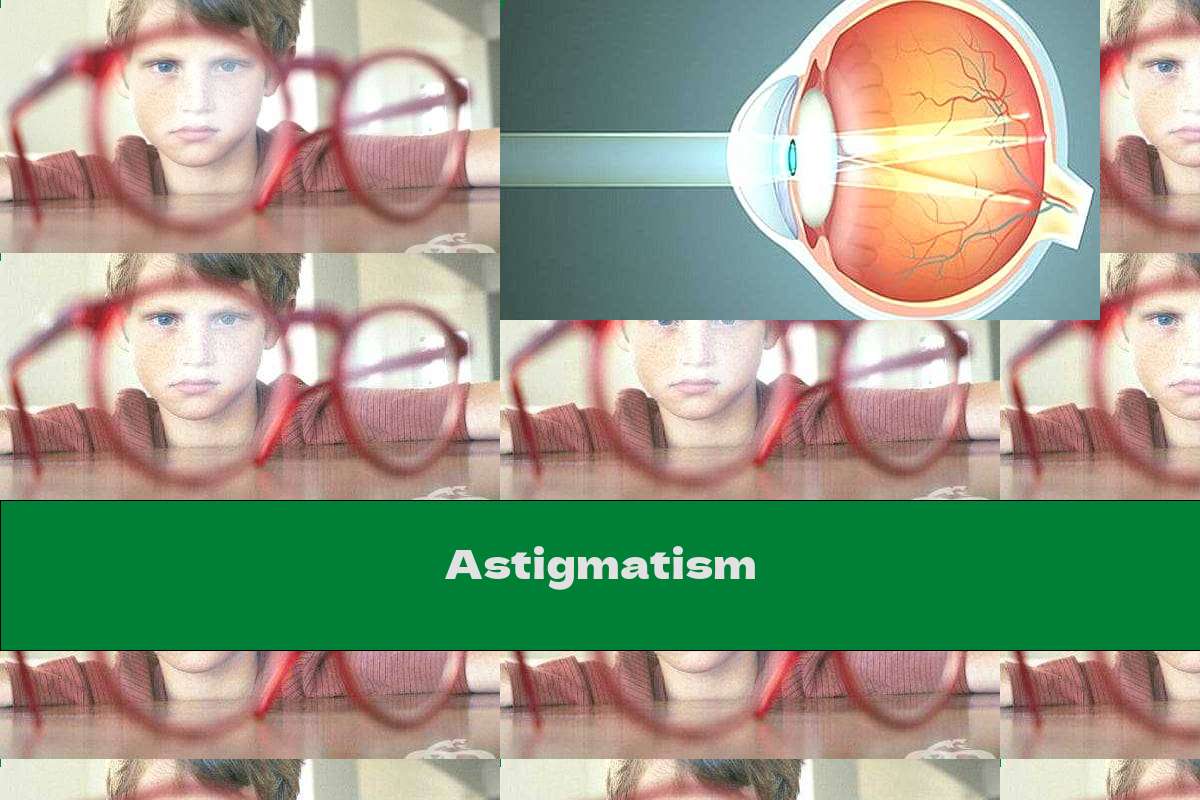
Astigmatism is an ophthalmic disease in which the lens or cornea of the eye has irregular shapes and this leads to image distortion.
Device of the lens and cornea
The cornea is mainly composed of collagen fibers and a basic substance called mucoid. Inorganic salts, proteins, chonroitin sulfate A and B, keratosulfate participate in the composition of the corneal tissue itself.
The lens is made up of a capsule and a lentil core. It is composed of mineral salts, glutathione, lipids, water, ascorbic acid (vitamin C), protein, water.
Nutrition in astigmatism should be consistent with some features of the cornea and lens - increased need for vitamin C, vitamin A, vitamin E, chondroitin, complete protein and enough minerals to stop the progression of astigmatism.
However, treatment with cylindrical lenses or lenses to correct the impaired refractory function of the cornea or lens remains mandatory. In some cases, it is possible to promptly correct the violation.
Foods rich in flavonoids and antioxidants are:
- vegetables - pumpkin, tomatoes, carrots, cucumbers, peppers, cabbage, beets;
- fruits and berries, juices and compotes of: blueberries, grapes (especially blue and purple varieties), blackcurrants, goji berries.
- citrus, cherries, sour cherries, melons;
- green leafy vegetables and spices: spinach, dill, parsley, celery;
- other vegetables: cucumbers, alabaster, broccoli, avocados, sweet potatoes.
These foods, in addition to antioxidants, also contain many vitamins and minerals, which are also very necessary for the normal functioning of the cells of the cornea and lens.
Other important foods that must be present in your diet if you have astigmatism:
Eggs are useful when eaten semi-raw, because in this way the heat-sensitive components of the egg - carotenoids - are preserved. They are also antioxidants, but in addition, beta carotene is converted in the body into vitamin A, which has been scientifically proven to protect against chicken blindness (xerophthalmia).
Other sources of complete protein are: fish, chicken, rabbit, beef and pork.
Why is it important for people with astigmatism to eat animal meat?
The connective tissue that makes up cartilage and animal meat contains chondroitin, which is an important component of the cornea's own tissue, the mucoid. The most recommended meat is beef, and fish - shark.
Spices that are useful for people with astigmatism: turmeric, ginger, rosemary, mint. They are rich in antioxidants, and also improve blood circulation, which improves the blood supply to the eye segment, and respectively the cornea and lens.
Recommendations:
- it is good to eat separately;
- 80% of the food for the day to be distributed for breakfast, brunch, lunch and afternoon snack, and the remaining 20% to remain for dinner, which should be at least 2 hours before bedtime;
- to drink plenty of fluids, it is good to drink a glass of fruit or vegetable juice in the morning and evening;
- to consume more fruits and vegetables (they contain a large amount of nutrients);
- salads should be seasoned with vegetable oil (sunflower, flaxseed, olive oil) instead of dressings, mayonnaise and other sauces.
Harmful products for astigmatism
To avoid deterioration and weakening of the eye muscles, you should limit the intake of:
- too greasy, fried, spicy, salty and sweet foods;
- alcoholic beverages;
- canned products and semi-finished products;
- smoking is contraindicated.
Related Articles
Top Nutrition Articles Today
- . Breakfast Pizza
- . The Ultimate Guide to Metataric Acid in Nutrition: Sources,...
- . Calories In A Piece Of Bread
- . Health Benefits Of Vitamin C
- . Night Nutrition: Importance, Benefits, and Best Foods to Eat
- . Sushi For Beginners. How Easy It Is To Spin Sushi Rolls
- . When Is It Better To Eat Fruit?
- . Sardines - Good For Bones
- . How To Cook Spicy Green Tea With Turmeric, Lemon Juice And G...
- . The Essential Guide to Nutrients in Nutrition: Importance an...