Breastfeeding And Jaundice In The Newborn
 Author: Nia Rouseberg
Time for reading: ~9
minutes
Last Updated:
August 08, 2022
Author: Nia Rouseberg
Time for reading: ~9
minutes
Last Updated:
August 08, 2022
CHAPTERS (Table Of Contents)
Jaundice is due to the accumulation of bilirubin in the blood. It is a yellow pigment that results from the normal breakdown of old red blood cells.
After the baby is born, it is common for medical staff to monitor him closely, as jaundice may develop. It is normal in most newborns. Unfortunately, there is conflicting information about how it should be treated in infants. Treatment can significantly affect breastfeeding in the long run.
What is jaundice?
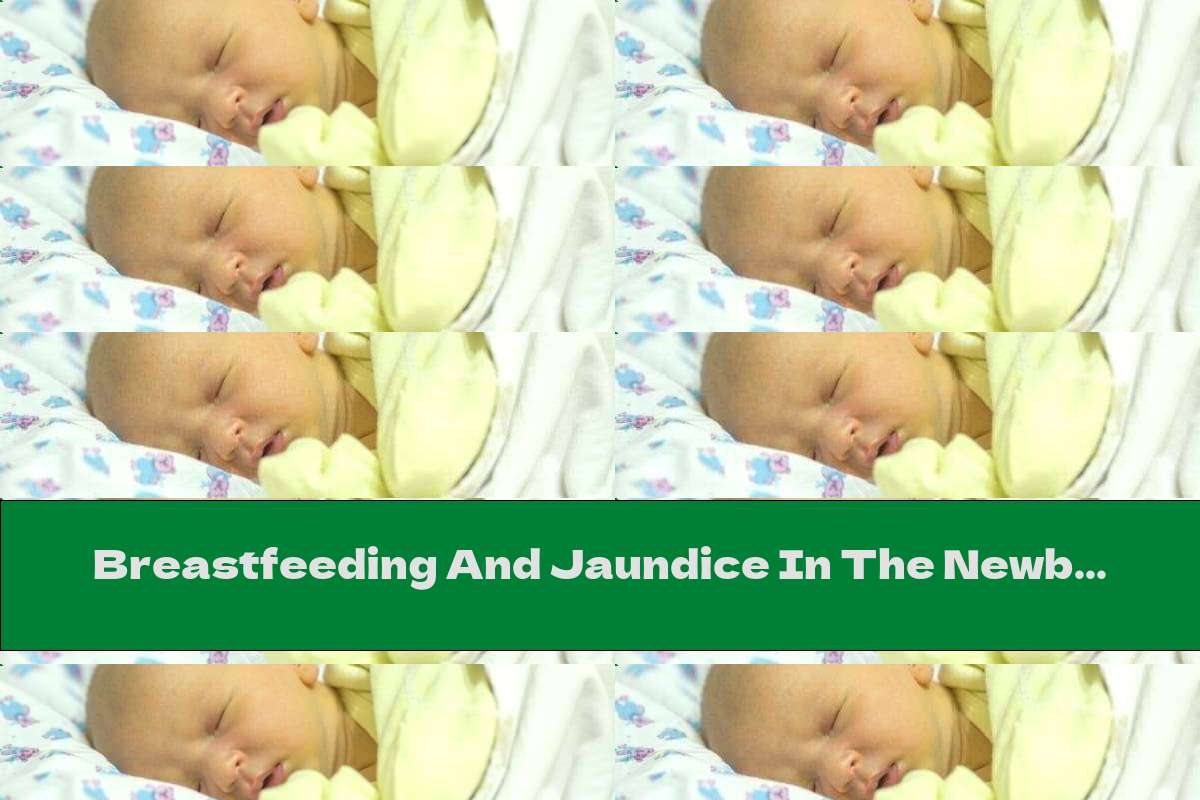
Jaundice is a condition that occurs in newborns within 2-3 days of birth. When this happens, yellowing of the skin and sclera (white) of the eyes is observed. The symptoms appear first on the skin of the face, then on the body (chest, abdomen, arms, legs). Jaundice is best seen in natural light and is harder to spot in babies with dark skin.
If jaundice is suspected, blood tests should be performed to determine the amount of bilirubin.
What causes jaundice?
Jaundice is due to the accumulation of bilirubin in the blood. It is a yellow pigment that results from the normal breakdown of old red blood cells. The bilirubin formed does not usually cause jaundice because the liver metabolizes it and it is excreted from the body through the intestinal tract (in the faeces during defecation or in the urine). However, the newborn often suffers from it in the first few days of life, as his liver is still relatively immature. In addition, babies have more red blood cells than adults and more of them break down. This means that the body of the newborn will produce more bilirubin.
If the baby is born prematurely, has had a difficult birth, is a child of a parent with diabetes, or has more than the usual number of red blood cells that break down (as can happen with a blood type incompatibility), the level of bilirubin in the blood may rise. more than usual.
Types of jaundice
Physiological jaundiceIt is the most common and normal type of jaundice in babies. It can affect up to 60% of healthy babies in the first week of life. Once the baby begins to develop and the amount of red blood cells decreases, the jaundice will pass without any lasting effects on the baby. This usually happens about 1-2 weeks after birth.
Jaundice from breast milkThis type occurs in 1 in 10 infants and continues after physiological jaundice. It can last for 3-12 weeks after birth, but as long as the baby is well fed and bilirubin levels are observed, this rarely leads to serious complications. It is found in otherwise healthy, breastfed babies. The etiology of jaundice caused by breast milk is not clearly understood, but the following factors are thought to play a role:
- An unusual metabolite of the hormone progesterone (pregnane-3-alpha 20 beta-diol), a substance in breast milk that suppresses an enzyme in the liver (uridine diffosflucuronic acid (UDPGA) glucuronyl transferase) that breaks down the baby's bilirubin.
- Elevated concentrations of non-esterified free fatty acids, which also inhibit hepatic glucuronyl transferase.
- Increased circulation of bilirubin in the intestinal and hepatic tract due to increased content of a substance (beta glucuronidase) in breast milk. This results in disturbed intestinal flora and delayed absorption of substances in the digestive system.
- Decreased hepatic uptake of unconjugated bilirubin due to mutation.
- Presence of inflammatory cytokines (cell signaling molecules that support communication between cells in the immune response and stimulate cell movement to sites of inflammation, infection and trauma) in human milk, especially interleukin (IL) - 1 beta and interleukin 6 (IL-6) ). They increase in babies with jaundice from breast milk and are known to be cholestatic - they reduce the intake, metabolism and excretion of bilirubin.
- High levels of epidermal growth factor (EGF) in breast milk may also be the cause of this jaundice. Epidermal growth factor is responsible for the development and maturation of the gastrointestinal tract in newborns and is vital for their adaptation after birth. Higher serum and breast milk levels have been observed in patients with jaundice caused by breast milk. Problems with gastrointestinal motility, increased absorption and uptake of bilirubin are thought to be the mechanisms.
- Serum alpha-feto-protein levels have been found to be higher in infants with breast-induced jaundice. The exact meaning of this finding is unknown.
Breast milk is an important source of bacteria for the establishment of normal gastrointestinal flora in children. A recent study shows that the Bifidobacterium species in breast milk can actually protect against this type of jaundice.
The disease usually does not cause any problems and eventually goes away on its own. No treatment required! And you don't need to stop breastfeeding. On the contrary - it is safe to continue. Bilirubin levels will eventually decrease.
Jaundice caused by breast milk can occur in any breastfed baby. It is believed that there is a genetic predisposition, so if you have a family history of jaundice in infants, this may increase the risk for your baby.
This type of jaundice must be distinguished from another type, resulting from insufficient intake of breast milk (malnutrition).
How can jaundice from breast milk be prevented?Most cases of jaundice from breast milk cannot be prevented. But you should know that you should not stop breastfeeding until your doctor tells you to. Breast milk is essential for maintaining the health of the newborn. It provides all the necessary nutrients and protects babies from diseases and infections. The American Academy of Pediatrics recommends that infants breastfeed 8 to 12 times a day for the first six months of life.
What is the long-term perspective for these babies?Babies with jaundice from breast milk usually recover with proper treatment and careful monitoring. The condition disappears after one or two weeks if the child's liver becomes more efficient and they continue to consume enough milk. In rare cases, jaundice can continue after the sixth week of life, even with proper treatment. This can mean a basic medical condition that requires more aggressive treatment.
How is this type of jaundice treated?
Mild or moderate jaundice can usually be seen at home. Your doctor may encourage you to breastfeed your baby more often. This will help to eliminate bilirubin in the stool and urine faster.
Severe jaundice is often treated with phototherapy at the hospital or at home. Phototherapy is light therapy. With it, the baby is placed under special lighting that emits light in the blue-green spectrum. This light changes the structure of bilirubin molecules and thus, it is more easily and quickly excreted in urine and feces. The light is not ultraviolet, and a special shield filters such rays that can be emitted. During therapy, the baby is wearing only a diaper and protective eye patches (to protect the eyes from damage). This therapy can lead to dehydration, so offer more fluids. You need to breastfeed your baby often enough, you can also offer expressed milk in the intervals between feedings.
Jaundice from insufficient breastfeeding
It is caused by insufficient intake of breast milk. It is not associated with substances in breast milk that block the breakdown of bilirubin.
When the baby drinks adequate amounts of milk, he begins to defecate a sufficient number of times, which helps to release bilirubin faster. Jaundice from insufficient breastfeeding can occur when the newborn does not start breastfeeding well from the very beginning. The reason may also be improper breastfeeding or other difficulties with breastfeeding, which will make you supplement with formula (which interferes with breastfeeding). This problem is often solved by increasing the number of feedings and the help of a breastfeeding counselor to make sure that the baby is taking adequate amounts of breast milk.
All signs of jaundice should still be checked by a medical professional. Complications of severe, untreated jaundice can lead to complications, including brain damage or hearing loss.
It should be emphasized, however, that bilirubin has an undeservedly bad reputation. He is an innocent passer-by who is unfairly accused of brain damage. This damage is actually the set of circumstances that allow bilirubin to enter the brain, which is the real problem. These are: severe lack of oxygen (when the baby suffocates) or severe anemia (due to the very rapid destruction of red blood cells), Rh incompatibility or blood group incompatibility. These are actually the factors that allow the yellow pigment to enter the brain and cause damage. In fact, bilirubin is an antioxidant and actually protects the baby from harm.
Is treatment necessary and what is it?
- Increase breastfeeding to 8-12 times a day. The best way to lower your bilirubin level is to eliminate it. Increasing nutrition will increase bowel movements, which eliminate bilirubin.
- Work with a professional breastfeeding counselor to make sure the baby is breastfeeding properly so that he can express as much milk as he needs. Improper positioning and breastfeeding can directly affect the amount of milk an infant receives.
- Rarely, discontinuation of breastfeeding is an effective treatment for jaundice in the infant. If a child's bilirubin levels reach 20 milligrams or more, it can be stopped for 24 hours in conjunction with phototherapy. This usually lowers bilirubin levels. The mother can then resume breastfeeding. During this 24-hour period, it is good to express milk (manually or with a pump) to maintain lactation.
- If phototherapy is recommended (usually only if bilirubin levels reach above 15-20 milligrams), talk to your doctor about using blankets with fiber optic cables. They can be taken home and allow breastfeeding to continue without interruption. Increased meals and the use of special lamps should effectively lower bilirubin levels.
If the baby is born prematurely or has other health problems, treatment should be individually directed and selected by a medical professional.
Treatment not recommended:
Cessation of breastfeeding - this can also worsen jaundice, as the newborn is deprived of the best possible nutrition.
Frequent and effective breastfeeding is the best way to reduce jaundice.
Should sweetened water or glucose be offered?
In various sources, this is a moot point. Some believe that the supply of sweetened water or glucose can worsen jaundice, as it interferes with the intake and production of breast milk. While others believe that glucose treatment induces the elimination of bilirubin, which prevents jaundice. Insufficient calorie intake or starvation is also the cause of jaundice - glucose prevents this energy hunger. The additional treatment of newborns with glucose solution can be an effective method of treatment, but it must be accompanied by full breastfeeding.
Can jaundice be prevented in a breastfed baby?
Jaundice occurs in 50-70% of all newborns, so there is no way to prevent it. But there are ways to prevent its complication and reach a level that requires additional interventions.
- Start breastfeeding as soon as possible after birth. Studies show that there is a higher success rate when started in the first hours after birth.
- Work with a breastfeeding counselor to make sure you are positioning the baby correctly and that the baby is taking the breast properly. And also to find out if the baby is getting enough milk.
- Feed your baby often during the first days and weeks of his life. Do not try to put the baby on a "schedule" until the feeding is going well. Avoid stopping breastfeeding or supplementing if possible.
- How to feed a breastfeeding woman
- Diarrhea in breastfed babies
- How to eliminate nighttime breastfeeding
- Natural means of stopping breast milk
Related Articles
- Nutrition Guide: Breastfeeding for Infants and Mothers
- The Benefits of Night Breastfeeding for Nutrition: A Complete Guide
- The Importance of Night Breastfeeding for Nutrition: Benefits for Your Baby
- Night Breastfeeding for Nutrition: Benefits, Nutritional Composition, and Recipes
- The Ultimate Guide to Breastfeeding in Nutrition: Benefits, Diets, Concerns, and Recipes