Brussels Sprouts - Useful Properties And Contraindications
 Author: Dean Rouseberg
Time for reading: ~2
minutes
Last Updated:
January 27, 2026
Author: Dean Rouseberg
Time for reading: ~2
minutes
Last Updated:
January 27, 2026
CHAPTERS (Table Of Contents)
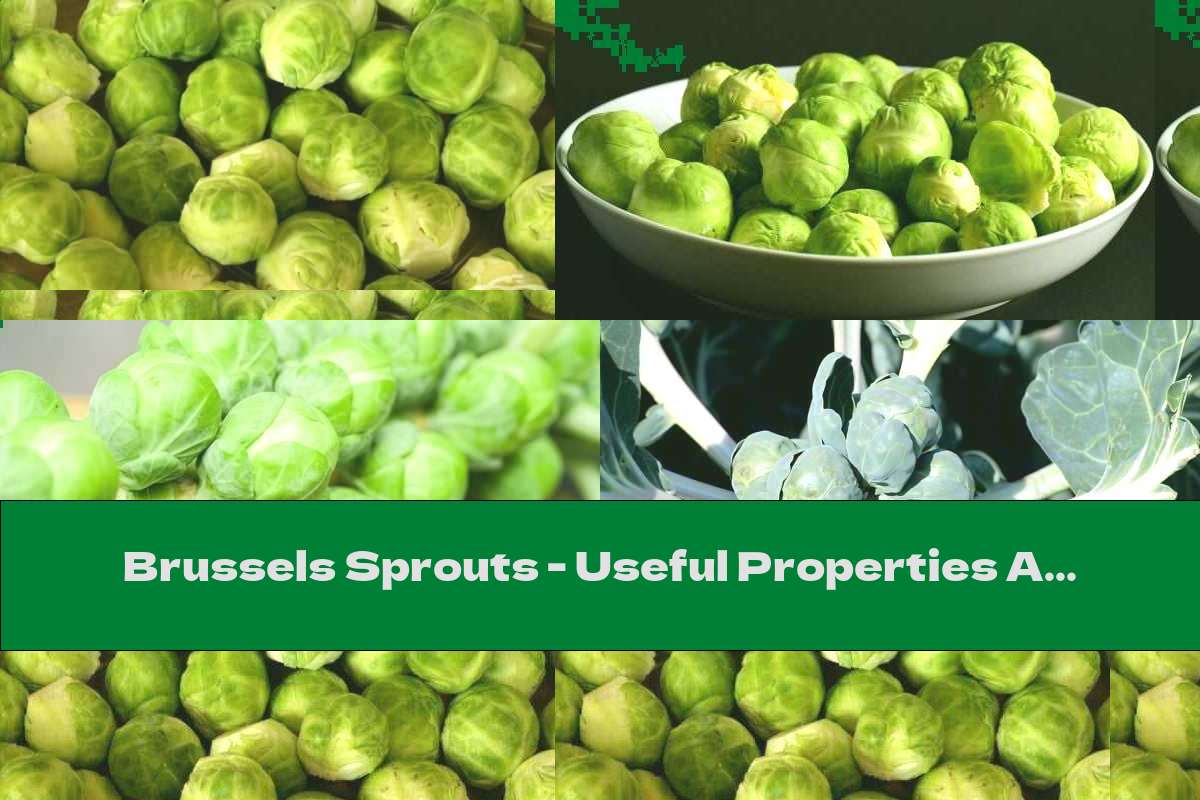
Brussels sprouts resemble miniature cabbage. It is low in calories and rich in vitamins, proteins, dietary fiber, minerals and antioxidants. Helps to lose weight, improves bone health.
Brussels sprouts resemble miniature cabbage. It is rich in vitamins, proteins, dietary fiber, minerals and antioxidants. The interesting vegetable belongs to the same family as broccoli, cauliflower, kale - cruciferous vegetables.
Mini cabbage has an interesting appearance during its growth. The plant reaches 90 centimeters in height and grows best in cold climates.
Nutritional value of Brussels sprouts
100 grams contain only 43 calories, of which 8.95 grams of carbohydrates, 3.38 grams of protein, almost no fat - 0.3 grams and 0 cholesterol, and dietary fiber is 3.80 grams. In addition, vegetables are enriched with vitamins C, A, K - as the amounts of C and K are about 140% of the daily dose per person.
Cabbage also contains calcium, iron, magnesium, sulfur, phosphorus and others.
Health benefits from eating miniature cabbage
1. Helps to lose weight
There are many studies to support the consumption of cruciferous vegetables. The latter reduce the risk of obesity, diabetes, heart disease and poor health in general. They also support general health, increase energy and help lose weight.
The few calories and fiber in Brussels sprouts make it a very suitable vegetable to include in a diet to deal with excess weight.
2. Helps prevent some cancersConsumption of large amounts of cruciferous vegetables, such as Brussels sprouts, is associated with a lower risk of cancer.
Sulfur compounds provide both a particularly slightly bitter taste and their properties are responsible for fighting cancer. Cabbage gives good results in the fight against malignant tumors of the esophagus, pancreas, prostate, and melanoma (skin cancer).
There are claims that roast meat on coals is harmful because of the charred and toasted parts on it. The content of chlorophyll in Brussels sprouts can reduce the effect of charred food and thus reduce the risk of carcinogens.
3. Improves bone healthDecreased vitamin K intake is associated with an increased risk of bone fractures. Adequate intake of the vitamin improves the absorption of calcium and reduces the excretion of the element in the urine.
Only 3/4 of a cup of tea with Brussels sprouts provides you with 100% of the required amount of vitamin K. In addition, vegetables are a good source of calcium.
4. Controls diabetesBrussels sprouts contain the antioxidant alpha lipolic acid, which has been shown to lower glucose levels, increase insulin sensitivity of cells and prevent oxidative stress in diabetes.
5. Reduces inflammationInflammation is a normal immune response, but chronic it can lead to diseases such as cancer, diabetes and heart disease.
The high content of antioxidants reduces inflammation and neutralizes free radicals.
Contraindications and potential risks when consuming Brussels sprouts
Brussels sprouts, like other cruciferous vegetables, contain compounds that can cause swelling of the thyroid gland, so it should be avoided by people with thyroid dysfunction, but can be consumed by healthy people.
Related Articles
- The Role of Sodium Methyl Para-Hydroxybenzoate in Nutrition: Preservative Properties & Health Concerns
- The Role of Functional Properties in Muffins: Nutrition, Diets, and Recipes
- The Functional Properties of Muffins in Nutrition: A Comprehensive Guide
- Nutritional Benefits of Functional Properties in Muffins: A Comprehensive Guide
- Functional Properties of Muffins in Nutrition: A Complete Guide
Top Nutrition Articles Today
- . Breakfast Pizza
- . Night Nutrition: Importance, Benefits, and Best Foods to Eat
- . The Ultimate Guide to Metataric Acid in Nutrition: Sources,...
- . Calories In A Piece Of Bread
- . Health Benefits Of Vitamin C
- . Sushi For Beginners. How Easy It Is To Spin Sushi Rolls
- . How To Cook Spicy Green Tea With Turmeric, Lemon Juice And G...
- . The Essential Guide to Nutrients in Nutrition: Importance an...
- . When Is It Better To Eat Fruit?
- . How To Cook Mini Sandwiches With Cherry Filling - Recipe