Cabbage And Red Peppers - Rich Sources Of Vitamin C.
 Author: Karen Lennox
Time for reading: ~1
minutes
Last Updated:
August 08, 2022
Author: Karen Lennox
Time for reading: ~1
minutes
Last Updated:
August 08, 2022
CHAPTERS (Table Of Contents)
The type in which we consume vegetables is important for the amount of nutrients we will provide to the body.
The need for regular consumption of fruits and vegetables to maintain health is constantly emphasized by nutrition experts , but it seems that no attention is paid to the type in which we consume them, and it is important.
Red peppers and cabbage, for example, can be eaten raw or cooked. And here's how they are most useful ...
Red peppers
These vegetables contain a large amount of vitamin C . It is almost twice as much as the amount of vitamin in oranges.
It is important to know that this vitamin is unstable at high temperatures, which means that cooking peppers can reduce its amount in them. A snack that includes raw red peppers can be a great way to boost levels of the valuable antioxidant .
Cabbage
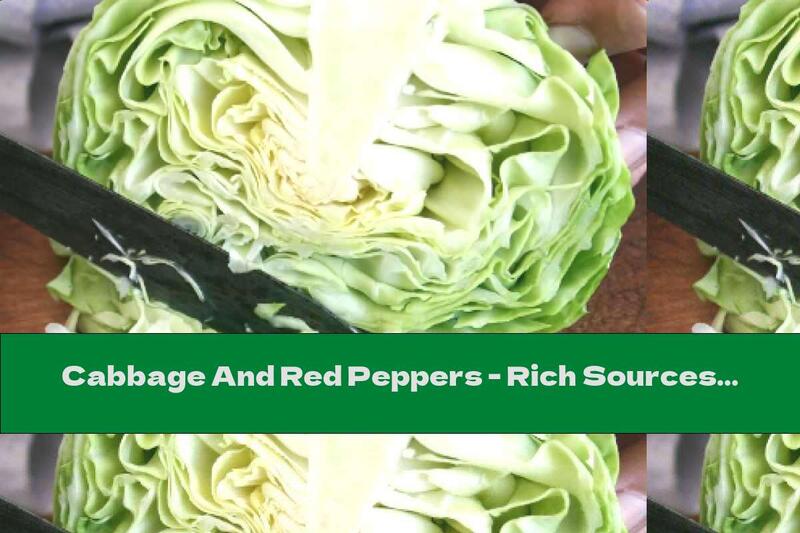
Cabbage is most useful when consumed cooked, and it is important not to remove the outermost and darkest leaves, as they have the highest amount of vitamin C. The useful beta-carotene and the yellow carotenoid lutein can also be found in vegetables .
Regular lutein intake is associated with a reduced risk of developing age-related macular degeneration. One serving of cabbage - about 95 g, provides 56 mg of calcium , which is vital for bone and dental health. To clarify, the required daily amount of the mineral is 800 mg.
In the cabbage can be found more and isothiocyanates - compounds containing sulfur, which, according to studies may be useful in the prevention of the development of cancer .
Related Articles
- The Ultimate Guide to Vitamin E: Benefits, Sources, and Recipes
- The Ultimate Guide to Vitamin E in Nutrition: Benefits, Sources, and More
- The Ultimate Guide to High Gluten Foods: Benefits, Sources, and Recipes
- The Ultimate Guide to Lactic Acid in Nutrition: Benefits, Food Sources, and Recipes
- The Ultimate Guide to Vitamin B12 in Nutrition
Top Nutrition Articles Today
- . The Importance of Carotene in Nutrition: A Complete Guide
- . Cochineal Extract Food List: Nutritional Value, Health Benef...
- . The Truth About Potato Chips: Health Effects and Alternative...
- . The Ultimate Guide to Lean Meat in Nutrition: Benefits, Type...
- . The Role of Water in Nutrition: Importance and Benefits
- . The Nutritional Benefits of Figs: A Fiber-Rich Fruit Packed...
- . Camel Meat
- . 7 Foods For Bigger And Firmer Breasts
- . E551: The Food Additive You Should Know About
- . Foods For A Regular Stomach