Can Soy Stop The Spread Of Cancer Cells?
 Author: Dean Rouseberg
Time for reading: ~1
minutes
Last Updated:
August 08, 2022
Author: Dean Rouseberg
Time for reading: ~1
minutes
Last Updated:
August 08, 2022
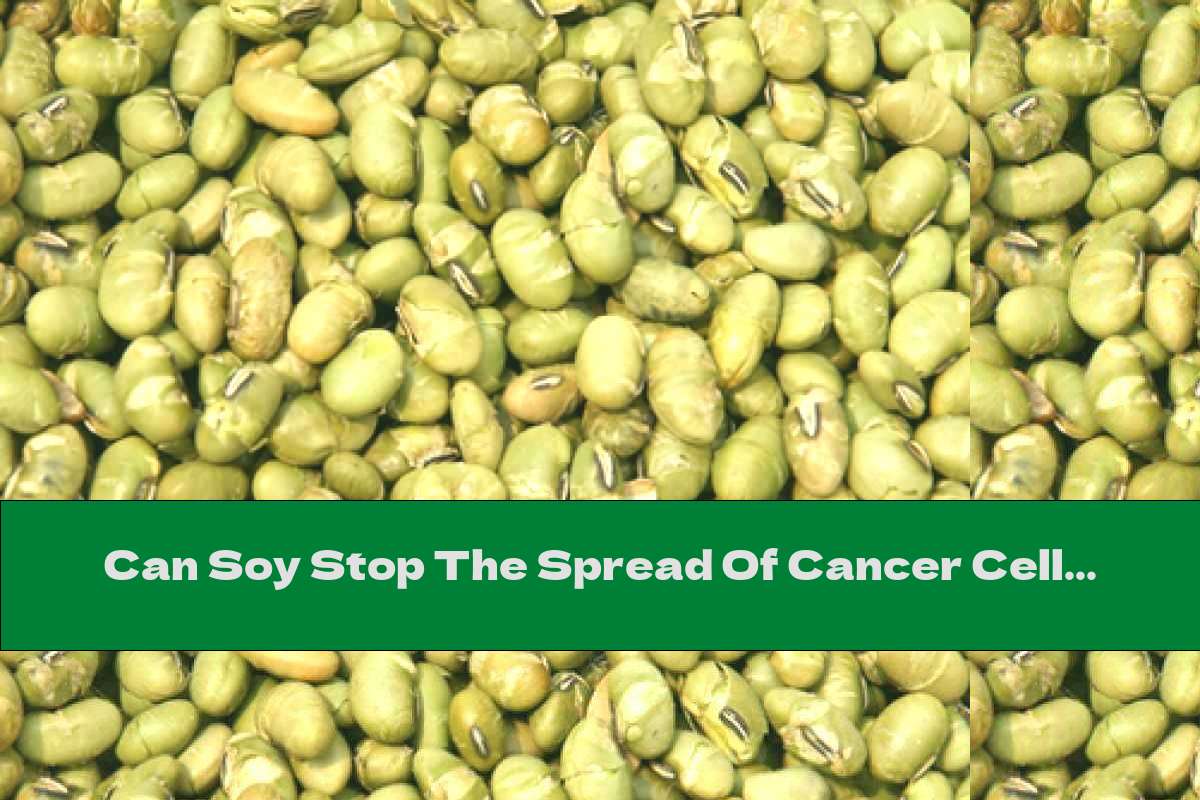
The potential health benefits of legumes have been summarized in two separate scientific studies.
Soy can help fight prostate cancer and breast cancer, scientists say.
The potential health benefits of legumes have been summarized in two separate scientific studies.
In one, researchers at Northwestern University in Chicago found that one pill a day of genistein , a natural chemical isoflavone found in soybeans, could slow or stop the spread of prostate cancer.
Although the test was performed on a small group of 38 men, the researchers said the results could lead to the first non-toxic treatment to prevent cancer cells from moving. "The first step was to determine if the drug had the desired effect on cells and the prostate, and the answer was yes," said Professor Raymond Bergan. According to him, if the drug is able to stop the spread of prostate cancer, theoretically such therapy could have the same effect on cells and other cancers. "This could be the first cancer therapy that is non-toxic and inhibits the movement of cancer," the researcher added.
A second study involving nearly 1,300 women researchers at the University of Buffalo, New York, showed that soy isoflavones can reduce the risk of developing breast cancer . They examined 683 women with this diagnosis and compared them with 611 healthy women. Researcher Ann Weaver found that those who took more isoflavones had a 30% lower risk of developing aggressive breast tumors and a 60% lower risk of early-stage tumors.
"Like most food studies, these data are not conclusive and should be considered in the context of more in-depth monitoring and validation of the results," the study author notes.
Related Articles
- The Health Benefits of Nutrition Berries Jam: A Nutritious Spread
- The Benefits of Nutrition Berries Jam: A Delicious and Nutritious Spread
- Nutritional Benefits of Apricot Jam: A Healthy and Delicious Spread
- The Nutritional Benefits of Apricot Jam: A Sweet and Healthy Spread
- Nutritional Benefits of Apricot Jam: A Healthy and Delicious Spread
Top Nutrition Articles Today
- . High Flavonoid Cocoa Powder
- . The Role of Acidity in Nutrition: Understanding pH Levels an...
- . The Power of Bella: Health Benefits, Recipes, and More
- . Nutrition in 2025: Trends, Technologies, and Future Outlook
- . Nutritional Benefits of Champignons: A Healthy Addition to Y...
- . Diet After Surgery Of The Small And Large Intestine
- . The Truth About Potato Chips: Health Effects and Alternative...
- . How To Reduce Appetite
- . The Role of K12 in Nutrition: Benefits, Sources, and Recomme...
- . Persimmons - Benefits And Harms To Health