Chromium - Why Is It Important And Where Does It Come From?

Alexander Bruni
Author: Alexander Bruni Time for reading: ~2 minutes Last Updated: August 08, 2022
Chromium - Why Is It Important And Where Does It Come From?

Chromium is a vital metal that is responsible for proper insulin function. With high sugar intake, it cannot perform its function.

Along with minerals such as zinc and magnesium, chromium is necessary for the proper physiological function of the body. Although the required amounts are microscopic, some eating habits can severely impair the absorption of chromium by the body.
 
In the human body, chromium is found mainly in the trivalent form (Cr 3+ ). This form is key to the optimal function of insulin - a vital compound that regulates the metabolism of proteins, carbohydrates, and fats, as well as the absorption of glucose from the blood.
 
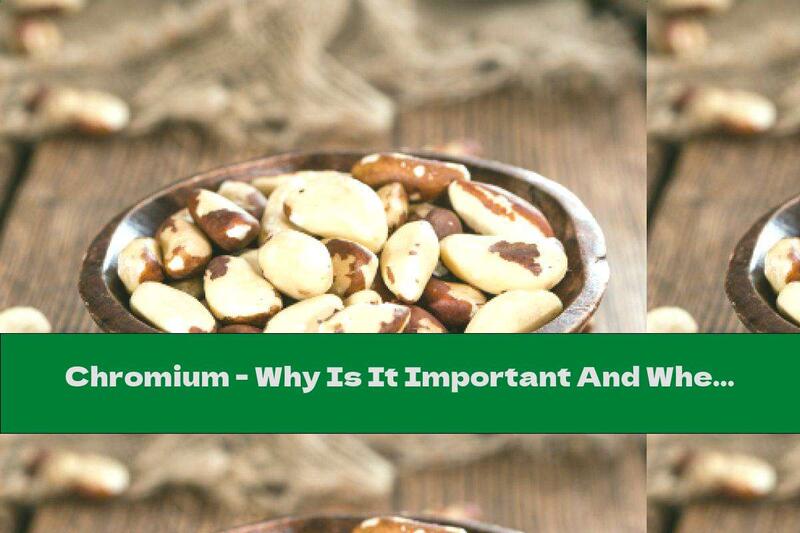
Unlike macronutrients, which require tens or hundreds of grams each day, micronutrients such as chromium require 25-35 micrograms per day. Whole grains, eggs, fruits, and vegetables are good sources of the element, but the highest concentrations of chromium are in mussels (about 130 micrograms per 100 grams), Brazil nuts (100 micrograms per 100 grams), and pears (27 micrograms per 100 grams). grams).
 
In general, few people watch their mineral intake, much less their levels of chromium intake. This is normal because the metal is obtained from many types of food for the human body and anyway only 2-3% of the chromium ingested with food is absorbed, the rest is excreted in the urine. Chromium overdose is extremely rare.
 
 
However, chromium deficiency is more common in the body - not due to insufficient intake, but due to improper nutrition. Intake of large amounts of simple sugars leads to the excretion of a large part of the digestible metal in the urine, prolonged feeding with systems can also lower the levels of chromium in the blood. Symptoms of chromium deficiency include impaired glucose tolerance, weight loss, and confusion. of blood sugar and normalization of fat balance, without concomitant side effects, even with double the daily intake.

 Intake of large amounts of simple sugars leads to the excretion of a large part of the digestible metal in the urine, prolonged feeding with systems can also lower the levels of chromium in the blood. Symptoms of chromium deficiency include impaired glucose tolerance, weight loss, and confusion. of blood sugar and normalization of fat balance, without concomitant side effects, even with twice the daily intake. malnutrition. Intake of large amounts of simple sugars leads to the excretion of a large part of the digestible metal in the urine, prolonged feeding with systems can also lower the levels of chromium in the blood. Symptoms of chromium deficiency include impaired glucose tolerance, weight loss, and confusion.

 
Numerous studies indicate a beneficial effect of chromium supplements on conditions such as impaired glucose tolerance, there is a decrease of blood sugar and normalization of fat balance, without concomitant side effects, even with double the daily intake.

leads to the excretion of a large part of the digestible metal in the urine, prolonged feeding with systems can also lower the levels of chromium in the blood. Symptoms of chromium deficiency include impaired glucose tolerance, weight loss, and confusion. of blood sugar and normalization of fat balance, without concomitant side effects, even with twice the daily intake. leads to the excretion of a large part of the digestible metal in the urine, prolonged feeding with systems can also lower the levels of chromium in the blood. Symptoms of chromium deficiency include impaired glucose tolerance, weight loss, and confusion.

 
Numerous studies indicate a beneficial effect of chromium supplements on conditions such as impaired glucose tolerance, there is a decrease of blood sugar and normalization of fat balance, without concomitant side effects, even with double the daily intake.

About | Privacy | Marketing | Cookies | Contact us

All rights reserved © ThisNutrition 2018-2026

Medical Disclaimer: All content on this Web site, including medical opinion and any other health-related information, is for informational purposes only and should not be considered to be a specific diagnosis or treatment plan for any individual situation. Use of this site and the information contained herein does not create a doctor-patient relationship. Always seek the direct advice of your own doctor in connection with any questions or issues you may have regarding your own health or the health of others.

Affiliate Disclosure: Please note that each post may contain affiliate and/or referral links, in which I receive a very small commission for referring readers to these companies.