E160 (c) - Paprika Extract, Capsanthin, Capsorubin
 Author: Marko Balašević
Time for reading: ~2
minutes
Last Updated:
August 08, 2022
Author: Marko Balašević
Time for reading: ~2
minutes
Last Updated:
August 08, 2022
CHAPTERS (Table Of Contents)
Paprika extract is obtained from the fruits of red pepper and is approved by the EU as a natural colorant and flavoring for food and beverages under the name E 160c. It has a yellow-orange color and a sharp spicy taste.
Characteristic
Paprika extract is obtained from the fruits of red pepper (Capsicum annuum L.) and is approved by the EU as a natural colorant and flavoring for food and beverages under the name E 160c . Natural paprika or red chili pepper is a plant from the belladonna family. Other names for the supplement are paprika extract, paprika oleoresin (a fat-soluble extract of the fruits of Capsicum annuum or Capsicum frutescens), capsanthin or capsorubin .
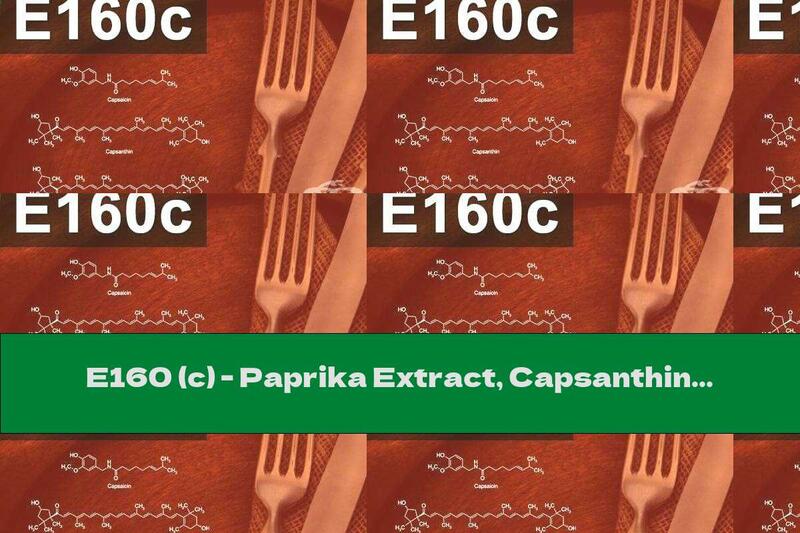
Paprika extract is a natural food coloring with a yellow-orange color and has a sharp spicy taste. Capsatin and capsorubin are carotenoid pigments and basic colorants contained in the additive, and the main flavoring in it is capsaicin. Capsanthin is used in poultry feed to increase the color intensity of egg yolk. The additive is known to contain a wide variety of other color compounds.
Extraction of paprika extractTo obtain the additive, the peppers are dried and ground before the red pepper is extracted with any of the following solvents: trichlorethylene, acetone, propan-2-ol, methanol, ethanol, hexane. The solvent was then removed.
CompositionThe composition of E 160c includes fatty acids: linoleic, linolenic, palmitic, stearic, oleic. It is characterized by a specific taste that is not felt when consuming small amounts. The additive is resistant to light and high temperatures. Retains the color of the product for a long time.
The capsanthin contained in the red pepper extract has a red to orange color. It contains vitamins A, B, C and small amounts of zinc, copper, selenium, cobalt, molybdenum and others.
Use
Used in the food industry for coloring mayonnaise, margarine, butter, sauces, ice cream, cheese, yogurt, smoked products, marmalades, sausages and more. The additive E 160c can be found in meat products, eggs, cheese, chicken pies and other foods. In agriculture it is used in the preparation of compound feed.
The additive is allowed to be used in foods, with the exception of meat preparations and processed meat, in which up to 19 mg / kg of product is allowed. E 160c is not used in foods where the use of colors is specifically prohibited.
Impact on humans
E 160c is defined as a safe substance. In some cases, the supplement can irritate the eyes and even cause temporary blindness. Consuming very large amounts can reduce the effectiveness of taste buds. However, this natural colorant is generally considered safe in EU-approved foods but is banned in Australia.
Related Articles
- The Role of E160b in Nutrition: Benefits, Usage, Recipes, and Risks
- The Role of E160 in Nutrition: Benefits, Sources, and Considerations
- The Ultimate Guide to E160 in Nutrition: Benefits, Recipes, and More
- E160a in Nutrition: Benefits, Recipes, and Risks
- Exploring the Impact of E160b in Nutrition: Benefits, Sources, and Recipes