E201 - Sodium Sorbate
 Author: Alexander Bruni
Time for reading: ~1
minutes
Last Updated:
January 27, 2026
Author: Alexander Bruni
Time for reading: ~1
minutes
Last Updated:
January 27, 2026
CHAPTERS (Table Of Contents)
Characteristics: Sodium sorbate is one of the most common preservatives - substances that extend the shelf life of food, protect them from spoilage, bacteria, viruses. In appearance
Characteristic
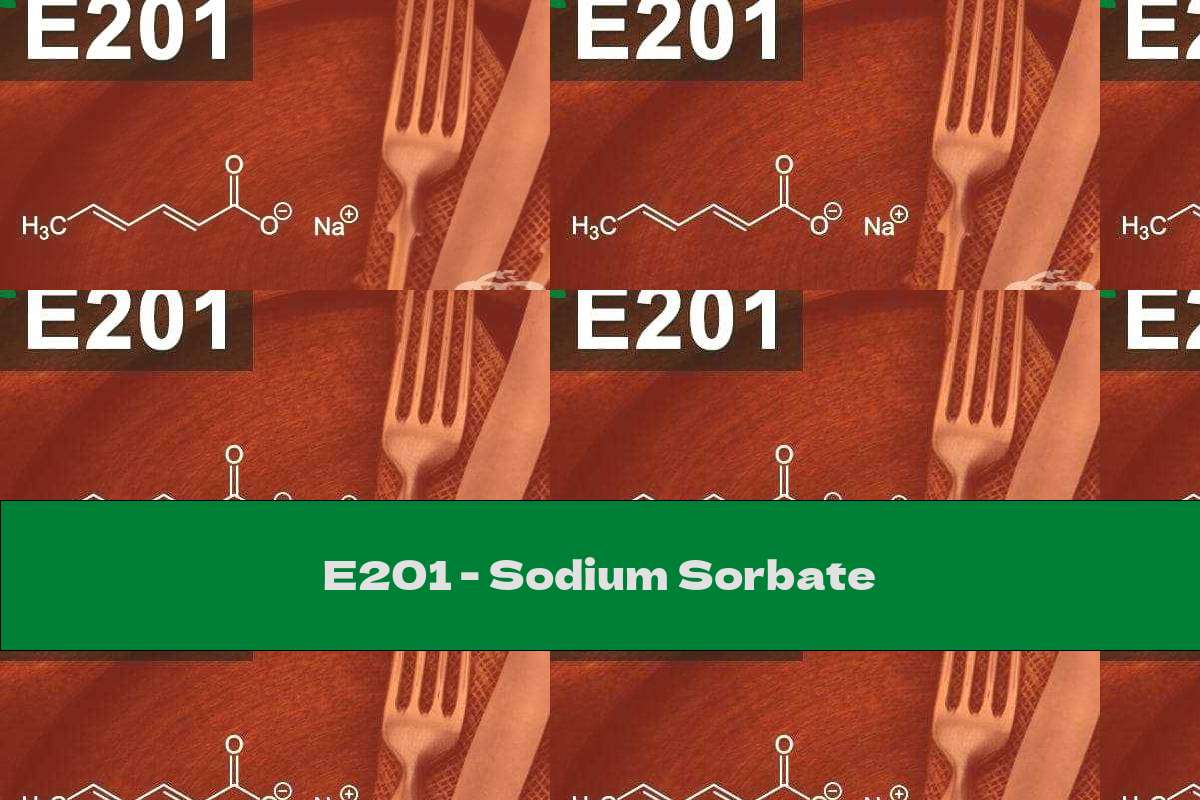
Sodium sorbate is one of the most common preservatives - substances that extend the shelf life of food, protect them from spoilage, bacteria, viruses. In appearance it is a crystalline white powder, easily susceptible to oxidation and melting. It is characterized by the ability to protect biological raw materials from mold when interacting with the ingredients of the products, preserving their properties.
The sodium salt is significantly superior to the acid itself in solubility in water, which facilitates its use. The process begins with the preparation of a solution of sodium bicarbonate. Ascorbic acid is then made, resulting in a chemical reaction to produce a salt that is used for preservation.
Use
Sodium sorbate is widely used in the preparation of fruits, vegetables, juices, beverages. It is found in candied fruits, cheeses, sweet sauces, dried fruits, fermented milk, frozen semi-finished products, meat and fish products, fruit salads, margarine, processed cheeses, soft drinks, pastries and more. E-201 can be found in 11 food standards, ie. this is a permitted preservative.
Impact on humans
The recommended daily dose of E 201 is from 0 to 25 mg / kg body weight.
The adverse effects of the supplement on the body are expressed in the appearance of allergic reactions (redness or itching of the skin). If you do not exceed these amounts, sodium sorbate is well tolerated by the body.
- E202 Potassium sorbate
- E203 Calcium sorbate
- E211 Sodium benzoate
- E223 Sodium metabisulfite
Related Articles
- The Role of Sodium Methyl Para-Hydroxybenzoate in Nutrition: Preservative Properties & Health Concerns
- The Role of E 202 (Potassium Sorbate) in Nutrition: Benefits, Sources, and Concerns
- The Role of Sodium Methylparaben in Nutrition: Uses, Controversy, and Safety
- The Ultimate Guide to Disodium Diphosphate in Nutrition
- The Nutritional Value of Potato Chips: Calories, Fat, and Sodium Content
Top Nutrition Articles Today
- . The Importance of Carotene in Nutrition: A Complete Guide
- . The Truth About Potato Chips: Health Effects and Alternative...
- . Cochineal Extract Food List: Nutritional Value, Health Benef...
- . The Ultimate Guide to Lean Meat in Nutrition: Benefits, Type...
- . The Role of Water in Nutrition: Importance and Benefits
- . The Nutritional Benefits of Figs: A Fiber-Rich Fruit Packed...
- . Camel Meat
- . E551: The Food Additive You Should Know About
- . 7 Foods For Bigger And Firmer Breasts
- . Foods For A Regular Stomach