E203 - Calcium Sorbate
 Author: Maryam Ayres
Time for reading: ~1
minutes
Last Updated:
August 08, 2022
Author: Maryam Ayres
Time for reading: ~1
minutes
Last Updated:
August 08, 2022
CHAPTERS (Table Of Contents)
Characteristic: The preservative calcium sorbate is a synthetic substance which is obtained from a hot aqueous solution of sorbic acid by its interaction with calcium chloride. E 203 dissolves well in
Characteristic
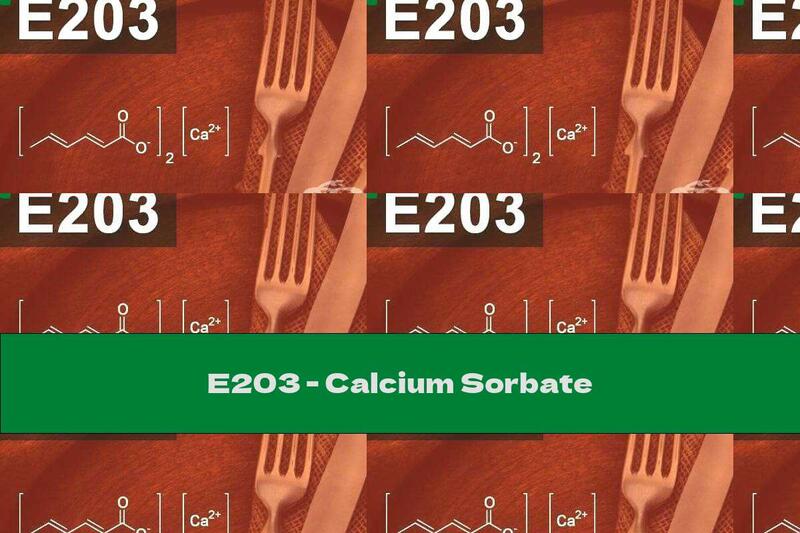
The preservative calcium sorbate is a synthetic substance that is obtained from a hot aqueous solution of sorbic acid by its interaction with calcium chloride.
E 203 dissolves well in water and is insoluble in fat. It is a white powder that has no odor or taste. Calcium sorbate, despite the presence of only two double bonds in the molecule, is very stable in the solid state, decomposes at a temperature of 400 C. In solutions, in the presence of oxygen, an oxidation process begins, which is expressed in browning.
Use
Calcium sorbate is mainly used in the production of fungistatic packaging materials and coatings, for processing cheeses and sausages (during their production and storage). The average concentration is from 2 to 4 g / m3 in the packaging material. It is allowed to use it as a preservative (individually or in combination with other preservatives) for margarines, drinks, marmalades, candied fruits, sauces, yogurts and other fermented fish products. With a suspension of calcium sorbate processed ripening hard cheese, added to frozen semi-finished products (pizza, ravioli, dumplings). Used in cosmetics to increase the shelf life of creams, shampoos, lotions.
Impact on humans
Nutritional supplements have been around for a long time, and today it will be difficult to find people who have not encountered them in any form. Most products include a whole list of substances that do not always have a beneficial effect on the body. To some extent, this also applies to E 203 . This preservative irritates the mucous membranes of the eyes and healthy skin, and a rash appears in very sensitive people. Allergic reactions, behavioral problems and asthma symptoms are sometimes seen.
Recommended daily dose: no more than 25 mg per 1 kg of body weight.
Related Articles
- The Ultimate Guide to Calcium Carbonate in Nutrition
- The Role of E 202 (Potassium Sorbate) in Nutrition: Benefits, Sources, and Concerns
- Nutritional Benefits of Cow Milk: Importance of Calcium, Vitamins, and Protein
- Nutritional Benefits of Cottage Cheese: Protein, Calcium, and More
- The Ultimate Guide to Calcium Lactate in Nutrition: Benefits, Sources, and Recipes
Top Nutrition Articles Today
- . Steak Label
- . List of Foods that Contain Carrageenan: A Guide to Avoiding...
- . The Truth About Potato Chips: Health Effects and Alternative...
- . 10 Day No Sugar No Carb Diet
- . The Power of Chaga Mushroom in Nutrition: Benefits, Uses, an...
- . The Nutritional Value of Hickory Smoked Bacon - A Complete G...
- . Calories In 3 Strawberries
- . Can You Take A Bath When You Have A Cold?
- . Nutrition and Albinism: Managing the Condition Through Diet
- . The Power of Pear Puree: Nutrition, Health Benefits, and Rec...