E315 - Erythorbic Acid
 Author: Mark Velov
Time for reading: ~1
minutes
Last Updated:
January 27, 2026
Author: Mark Velov
Time for reading: ~1
minutes
Last Updated:
January 27, 2026
CHAPTERS (Table Of Contents)
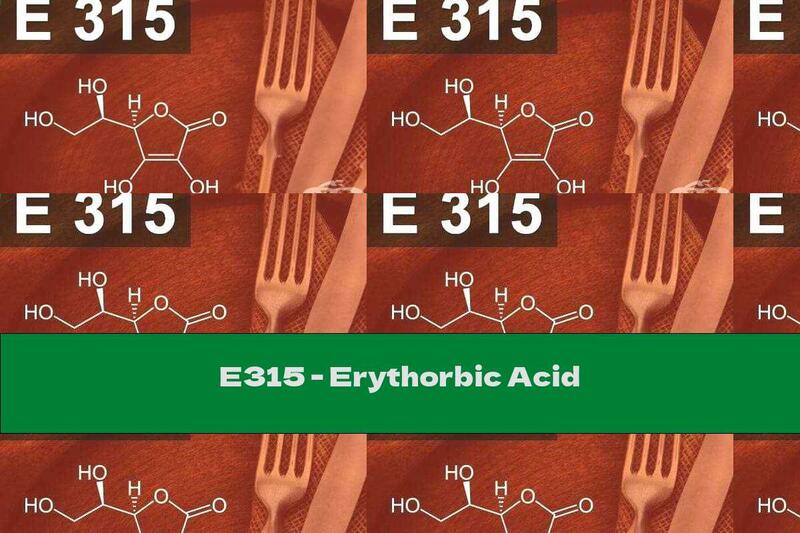
Characteristics: The food supplement E 315 (erythorbic or iso ascorbic acid - Erythorbic or Isoascorbic Acid) belongs to the group of antioxidants. The physical properties of this acid with
Characteristic
Food supplement E 315 (erythorbic or iso ascorbic acid - Erythorbic or Isoascorbic Acid) belongs to the group of antioxidants. The physical properties of this acid are similar to those of ascorbic - white or yellow - white crystalline powder with a sour taste. Good solubility in water and alcohols, in glycols - medium, practically insoluble in oils and fats. Isocorbic acid is easily oxidized by oxygen in the air and reacts actively in water, so it should be stored in a container that is impervious to moisture and light. It is obtained from sucrose.
Use
Erythorbic acid is approved for use in the EU and Russia. It is used as an antioxidant in the preparation of various meat semi-finished products, minced meat, sausages (up to 500 mg / kg); in the production of canned fish and frozen fish with red skin (up to 1.5 mg / kg). The addition of E 315 reduces the amount of nitrites to 1/3. Erythorbic acid is used as a color fixative in the manufacture of soft and soft drinks and as a color stabilizer in canned fruits (eg apple puree). It is not used as a vitamin supplement because the activity of vitamin C in it is about 5%, compared to ascorbic acid. Outside the food industry, the substance is also used as an antioxidant in various chemical, enzymatic and galvanic processes.
Impact on humans
There is no permissible daily amount for the supplement E 315. Isoascorbic acid acts on the body, as well as ascorbic acid. It is characterized by the following positive properties: increases immunity, participates in redox processes, reduces the permeability of blood vessels and more. However, erythorbic acid is not as well absorbed as ascorbic acid, is retained in the tissues and excreted rapidly. In some cases, it can cause inflammation of the skin, mucous membranes of the eyes and respiratory tract. The action of the substance is less noticeable compared to ascorbic acid.
- E260 Acetic acid
- E210 Benzoic acid
- E200 Sorbic acid
- E120 Cochineal, Carminic acid
Related Articles
- The Ultimate Guide to Lactic Acid in Nutrition: Benefits, Food Sources, and Recipes
- The Role of Fatty Acids in Nutrition: Benefits, Sources, and Intake
- The Complete Guide to E952 (Cyclamic Acid) in Nutrition
- The Nutritional Benefits of Blubber: Omega-3 Fatty Acids and Vitamin D
- The Ultimate Guide to E330 (Citric Acid) in Nutrition
Top Nutrition Articles Today
- . Steak Label
- . Black Chickpeas Nutrition
- . Large Chicken Breast Calories
- . 4 phases of digestion
- . Ligament Vitamins: Signs Of Deficiency And Daily Value
- . Fructose In Strawberries
- . One Meal a Day Menu: Benefits, Meal Planning, and Sample Men...
- . List of Foods that Contain Carrageenan: A Guide to Avoiding...
- . Carbs to Sugar Conversion Chart: Monitoring Carb and Sugar I...
- . Nutrition Guide for Thyroidectomy Patients: Tips for a Healt...