How Much Iron Does Our Body Need?
 Author: Mark Velov
Time for reading: ~1
minutes
Last Updated:
August 08, 2022
Author: Mark Velov
Time for reading: ~1
minutes
Last Updated:
August 08, 2022
CHAPTERS (Table Of Contents)
Daily iron needs are determined by many factors such as gender, age, pregnancy and others
In determining daily doses of iron, researchers take into account the bioavailability of the element in food and its levels of absorption. The recommended daily dose for adult, healthy men over 19 years of age is 8 mg daily. The daily needs of women of childbearing age are much higher - about 18 mg per day and decrease to 8 mg per day after 50 years.
The reason for the greater need for iron in young women is the monthly loss of a large amount of the mineral through menstruation. Pregnancy is also a period of increased iron needs. During pregnancy, the daily requirement reaches 27 mg per day.
Foods are rich in iron.
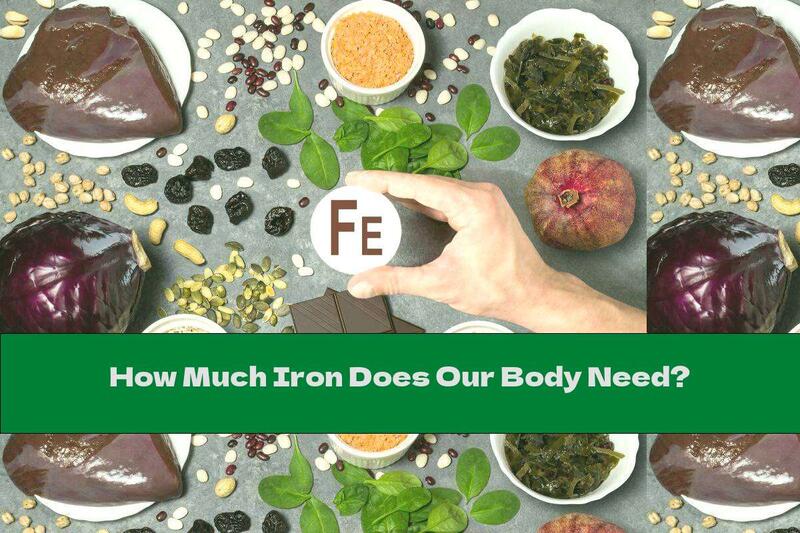
Red meats, chicken, and fish are good sources of heme iron (a form of iron that is easily digestible). Seafood such as mussels, oysters, beef liver is also a rich source of iron. Many bowls of cereal and bread are fortified with iron. Although this iron is non-heme, which means that it is more difficult to digest, its addition to food as a result due to the high consumption of such foods in the Western type of diet.
Some vegetables and legumes are also a source of iron. The iron found in plant foods is non- heme, ie. more difficult to digest iron. To increase the absorption of non-heme iron, it is recommended to eat animal foods and foods rich in vitamin C.
People who do not consume animal products should pay special attention to their diet, which should provide the necessary amounts of iron, because the reserves of heme iron are depleted quickly. If necessary and after the necessary tests, it may be necessary to take iron-containing products.
Iron overdose.
Overdose can be observed only after taking iron-containing drugs. Accidental iron overdose is the most common cause of poisoning and death in children under 6 in the United States. Symptoms of iron poisoning include nausea, vomiting, diarrhea, dizziness, confusion, palpitations.
If iron intoxication is not treated in time, it can cause serious damage to the heart, nervous system, liver, and kidneys. Therefore, it is extremely important that the intake of iron products is carried out under medical supervision, after tests.
Related Articles
- Nutritional Benefits of Mallard: Protein, Iron, and More
- The Ultimate Guide to Iron in Nutrition: Sources, Deficiency, and Recipes
- The Nutritional Benefits of 100g Beef: Protein, Iron, Zinc, and B Vitamins
- Nutritional Benefits of Mallard: High Protein, Iron, Healthy Fats, and More
- Nutritional Benefits of 100g Beef: Protein, Iron, Zinc, and Vitamins
Top Nutrition Articles Today
- . Calcium In Lentils
- . Beef (veal) Tongue - Health Benefits For The Body And Use In...
- . The Power of Red Foods: Health Benefits and Nutrition Guide
- . The Nutritional Benefits of Scotch: Improving Cardiovascular...
- . How To Cook Puff Pastry Hot Dog Pie - Recipe
- . How To Reduce Appetite
- . How To Cook Risotto With Tomatoes, Parmesan And Basil - Reci...
- . Nutrition Boost: Functional Properties in Muffins for Health...
- . The Ultimate Guide to Using Ammonium Carbonate in Baking
- . The Ultimate Guide to Creating a Well-Structured Diet Plan f...