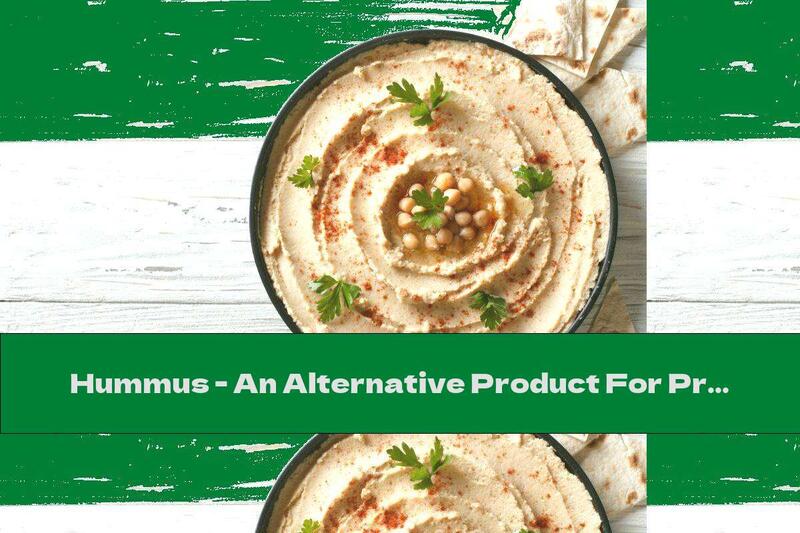
Hummus - An Alternative Product For Providing Protein
 Author: Leticia Celentano
Time for reading: ~1
minutes
Last Updated:
August 08, 2022
Author: Leticia Celentano
Time for reading: ~1
minutes
Last Updated:
August 08, 2022
CHAPTERS (Table Of Contents)
Hummus contains nutrients that help with anemia, lower cholesterol and are good for bones, joints and muscles.
In addition to being delicious, hummus is full of nutrients and is associated with impressive health and nutritional benefits. Hummus contains fiber, carbohydrates, copper, manganese, phosphorus, iron, zinc, potassium, thiamine, folic acid and vitamin B6 . It is also rich in plant protein, which is essential for maintaining the functions of the immune system. There are many other benefits ...
Hummus promotes weight loss
A study found that people who regularly consumed hummus had a 53% lower risk of being overweight. The reason is that hummus contains fiber, which limits appetite and helps reduce calorie intake. In addition, hummus is a good source of plant proteins that help reduce appetite and increase metabolism.
Hummus is suitable for people with allergies
Hummus is an ideal food for those who have an intolerance to dairy products, gluten or have allergies to certain foods. Although it does not contain these ingredients, people who have food allergies need to be careful as some brands add preservatives and other ingredients. People who have irritable bowel syndrome should also be careful not to overdo the consumption of hummus.
Hummus is good for bones, muscles and skin
Hummus contains a large amount of protein, which is a key building block in the health of bones, skin and muscles. Therefore, it is considered an ideal food for vegetarians who are looking for alternatives to get protein and maintain healthy bones, skin and muscles.
Hummus also helps with anemia
Hummus is an ideal food for people suffering from anemia . It contains two ingredients that are major sources of iron: chickpeas and tahini. They can help prevent iron deficiency, thus preventing anemia and relieving it for those who already have it.
Chickpea hummus can lower cholesterol
In a study of a group of people between the ages of 30 and 70, it was found that people who consumed chickpea hummus daily gained fiber easily, consuming less fat and lowering cholesterol .
Related Articles
- The Complete Guide to E339ii in Nutrition: Benefits, Regulation, and Alternatives
- The Nutritional Benefits of Toor Dal: Protein-Rich Recipes and Cooking Tips
- Nutritional Benefits of Mallard: Protein, Iron, and More
- The Ultimate Guide to Protein Shakes: Benefits, Types, Recipes, and More
- The Impact of Potato Chips on Health: Nutritional Content, Risks, and Alternatives