Low Hemoglobin
 Author: Dean Rouseberg
Time for reading: ~3
minutes
Last Updated:
August 08, 2022
Author: Dean Rouseberg
Time for reading: ~3
minutes
Last Updated:
August 08, 2022
CHAPTERS (Table Of Contents)
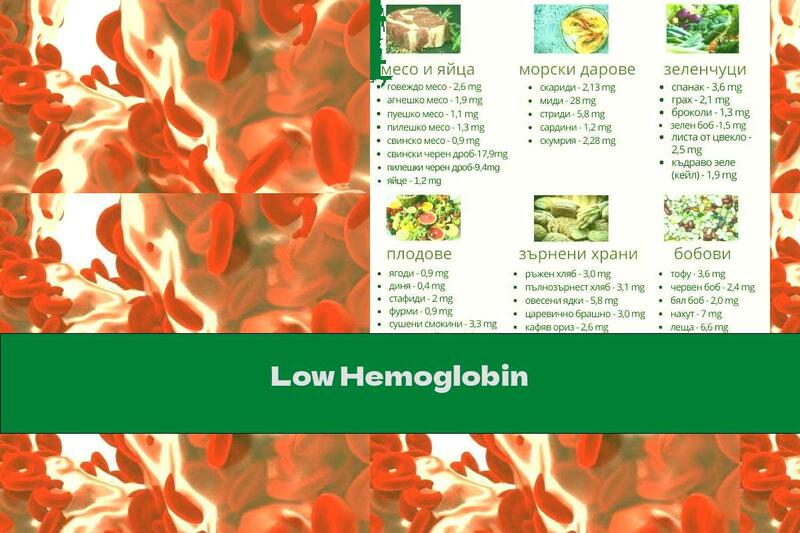
It is recommended to consume animal proteins containing iron, such as meat, offal, fish and caviar.
Low hemoglobin is one of the most common health problems today, affecting not only adults but also children. Persistent weakness, rapid fatigue, decreased ability to work, and sometimes even seizures are the main indicators of low hemoglobin . Most people know that its low levels adversely affect the functioning of the whole organism.
Hemoglobin contains iron - an important trace element that helps deliver oxygen to all cells. Its deficiency primarily affects the tissues of the brain and kidneys.
Symptoms of low hemoglobin
Most symptoms of low hemoglobin go unnoticed or are neglected, with fatigue being the cause. But it is possible that in the presence of some of these problems you may suffer from critically low hemoglobin, so if you have some of these symptoms, you can do a prophylactic blood test. Here are the most common symptoms:
- Unusual fatigue - when you suffer from a lack of iron, the body also suffers from a lack of oxygen, which makes it save energy and as a result you are tired and sleepy;
- Pale skin - it is typical for people suffering from iron deficiency to have paler skin, best seen on the inside of the eyelids and lips;
- Swelling of the tongue and lips - signs include swelling and inflammation of the tongue, it becomes pale and strangely smooth. The lips are cracked and often split at the corners, herpes often appears in the oral cavity;
Often with low hemoglobin , symptoms such as:
- shortness of breath;
- headache and dizziness;
- brittle nails;
- dry skin and hair;
- palpitations;
- trembling legs;
- anxiety;
- cold hands and feet;
- reduced immunity.
Foods with low hemoglobin
Apples, pomegranates and buckwheat were previously thought to be the most beneficial foods to increase hemoglobin , as they contain significant amounts of iron. Later it became clear that a small part of the element found in plant products is absorbed by the body. Therefore, it is recommended to consume animal proteins containing iron, such as meat, offal, fish and caviar.
Learn more about the most iron-rich foods and how they affect the body.
How to increase iron absorption
If you suffer from impaired iron absorption, you probably know that it is very important to be careful how you take foods (or supplements) with iron.
To increase the absorption of iron, eat foods rich in Vitamin C. It helps to absorb the element - more often drink fresh orange and tomato juices, add lemon juice, green spices, onions, peppers to the diet.
Vitamin A and beta-carotene (which helps the body produce vitamin A) also help the body absorb more iron. Vitamin A is found in fish and liver, and beta-carotene is found in red, yellow and orange fruits and vegetables, such as pumpkin, carrots, sweet potatoes, mangoes.
Foods that interfere with the absorption of iron
Calcium in food (and as a supplement) makes it difficult to absorb iron. It is not right to completely exclude foods rich in calcium, as it is an essential nutrient. In order not to interfere with both elements, it is important not to eat foods with calcium while eating foods rich in iron. It is good to have at least a few hours between taking them.
Foods with higher calcium content are dairy products, soy, seeds.
Phytic acid also affects the absorption of iron, but it only affects the absorption during meals, not throughout the day. Therefore, if you do not eat meat, avoid eating foods that are rich in phytic acids and iron at the same time, such as: walnuts, Brazil nuts, sesame seeds, because in this case you will not properly absorb iron. It is not necessary to completely exclude the consumption of foods with phytic acid, as it is also important for the body. Choose other sources that do not contain iron, and consume it from other products.
Tea and coffee also make it difficult to absorb iron, these drinks should be excluded from the menu or there should be an interval of 2-3 hours between foods rich in iron and their consumption.
It is not difficult to increase your hemoglobin with the help of food, you just need to be careful when choosing products and be consistent. However, if you suffer from severe deficiencies, it is best to consult a doctor.
Top Nutrition Articles Today
- . Nutrition In Hyperopia (farsightedness)
- . How To Cook Lunch For School: Pizza, Salad, Raw Candy, Pear,...
- . What To Cook With Sweet Potato
- . Understanding Cholesterol in Nutrition: Impact, Types, and R...
- . 5 Recipes For Potato Casserole In The Oven
- . Cooking A Festive Dinner In A Slow Cooker
- . How To Fry A Potato With A Crust
- . How To Make Easy Potato Salad
- . The Role of Nitrogen in Nutrition: Importance and Sources
- . Nutritional Benefits of Fruit Skewers in Honey Syrup: A Heal...