Nutrients, What Is It? Proteins
 Author: Nia Rouseberg
Time for reading: ~4
minutes
Last Updated:
August 08, 2022
Author: Nia Rouseberg
Time for reading: ~4
minutes
Last Updated:
August 08, 2022
CHAPTERS (Table Of Contents)
In this article, learn more about Nutrients, What Is It? Proteins. Proteins are macronutrients that are essential for the existence of life.
Proteins are large molecules that every living organism has. They are mainly known to build muscle tissue. In fact, they are the foundation that builds all the tissues in the body, including bones, blood, hormones.
How are they different from carbohydrates and lipids?
Like them, proteins are found in many foods, but the body also synthesizes proteins and their synthesis is encoded in DNA molecules. The other difference lies in their chemical structure. Unlike carbohydrates and lipids, proteins contain nitrogen and sulfur.
The building blocks of proteins are called amino acids. 20 amino acids make up thousands of protein molecules in the body. 9 of these 20 are classified as essential. This does not mean that they are more important than others, but that the body can not synthesize them alone or at least not in an amount that meets the needs of the body. These amino acids must be obtained through food.
Non-essential amino acids are as important as essential ones. But our body can synthesize them without having to import them through food.
What do denaturants mean?
This is the term used to mean the destruction of the protein structure. Denaturation occurs on contact with heat, acids, bases, heavy metals, alcohol. An example of denaturation is the breaking of egg whites in the snow, the boiling of eggs, the crossing of milk when lemon juice or other acid is added to it. Denatured proteins lose their functions.
For example, denaturation of proteins in the body can damage enzymes that are vital for cellular processes. Denaturation can occur at very high body temperatures or when the blood pH is not normal. In some cases, denaturation may be helpful. For example, in digestion, denaturation helps break down proteins into amino acids and make them easier for the body to absorb.
The most consumed sources of protein are meat and milk proteins. But they are not the only ones. Cereals and legumes are also a good source of protein. The combination of rice and beans in the diet provides an adequate source of amino acids that provide protein synthesis. For this, a varied diet is extremely important, if one food gets some amino acids, another gets the missing ones in the first one. This is extremely important for vegetarians who use only plant proteins.
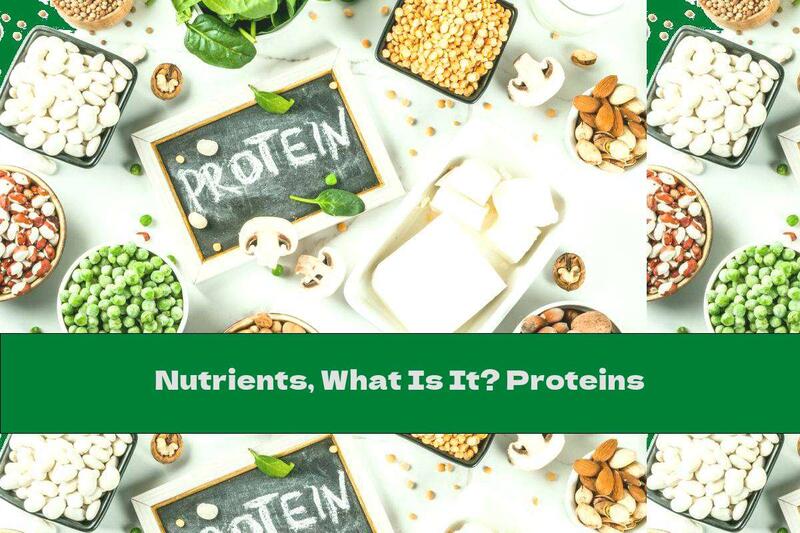
Vegetarian food sources of amino acids are: rice, lentils, beans, tofu, hummus, broccoli, almonds, spinach, pine nuts.
How does our body break down proteins? By ingesting them through food, proteins are broken down into amino acids and transported to cells. In the mouth there is practically no enzymatic breakdown of proteins, here they are only broken down and moistened by saliva, which facilitates swallowing and subsequent digestion.
Once in the small intestine, proteins are broken down into individual amino acids by pancreatic enzymes and enzymes in the small intestine (peptidases). From the small intestine, they are transported through the bloodstream to the liver, where they can be transformed into glucose or fat or combined into a protein structure, used as a source of energy, or transported to places where they are needed. .
Curious . The cells of the small intestine are divided according to which cells can transport which amino acids. This phenomenon affects the intake of amino acids as dietary supplements. When large doses of one amino acid are taken on an empty stomach, they compete for the same transport sites in the gut. This competition can affect the absorption of other amino acids, which would lead to an imbalance and lack of essential amino acids. In addition, continued supplementation with high doses of amino acids can lead to toxicity and trigger a number of diseases.
Why do we need protein?
The functions that proteins perform in the body are numerous. They contribute to cell growth, renewal and the performance of their vital functions, proteins act as enzymes, hormones and transport units. They maintain the water-electrolyte balance.
In violation of the edema and impaired blood flow. Proteins maintain the acid-base balance, strengthen the immune system - antibodies are a special type of protein that carries out the immune response.
Do athletes have greater protein needs?
The answer is yes. Physical activity increases the body's need for oxygen. To provide more oxygen we need more transport proteins (hemoglobin). Protein is not used as a source of energy during active training. It is important to know that the intake of amino acids and proteins as dietary supplements does not increase muscle mass. It is enough to eat a complete and varied diet to meet our protein needs, whether we are actively exercising or working behind a desk.
What is the daily protein requirement?
The need for protein is from 0.8 to about 1.8 g per kilogram of body weight.
- In most adults, the required amount is about 0.8 g / kg
- In active athletes, non-vegetarians, the amount of protein is 1.2-1.4 g / kg
- Professional athletes, non-vegetarians - 1.6-1.7 g / kg
- Active sports vegetarians - 1.3-1.5 g / kg
- Professional vegetarian athletes - 1.7-1.8 g / kg
Protein needs for a man weighing 80 kg who does not exercise regularly are: 0.8 x 80 = 64 g of protein per day.
Related Articles
- Nutritional Benefits of Pizza: Key Nutrients, Healthier Options, and Recipes
- The Ultimate Guide to Nutritional Eating: Importance, Key Nutrients, Benefits, and Recipes
- The Truth About E477 in Food: What You Need to Know
- The Nutritional Value of Potato Chips: What You Need to Know
- The Nutritional Value of Lays Potato Chips: What You Need to Know
Top Nutrition Articles Today
- . Steak Label
- . Healthy Food For Modern Man
- . How To Know The Real Ice Cream?
- . How To Fry Porcini Mushrooms
- . Amino Acids in Nutrition: Importance, Types, and Optimizatio...
- . The Ultimate Guide to Calcium Inosinate in Nutrition: Benefi...
- . The Diet �������� 7: A Comprehensive Guide to Nutrition and...
- . Beer Also Protects Against Osteoporosis
- . Net Zero
- . Lychee - A Small Fruit, But Useful And Tasty