Obesity
 Author: Alexander Bruni
Time for reading: ~3
minutes
Last Updated:
August 08, 2022
Author: Alexander Bruni
Time for reading: ~3
minutes
Last Updated:
August 08, 2022
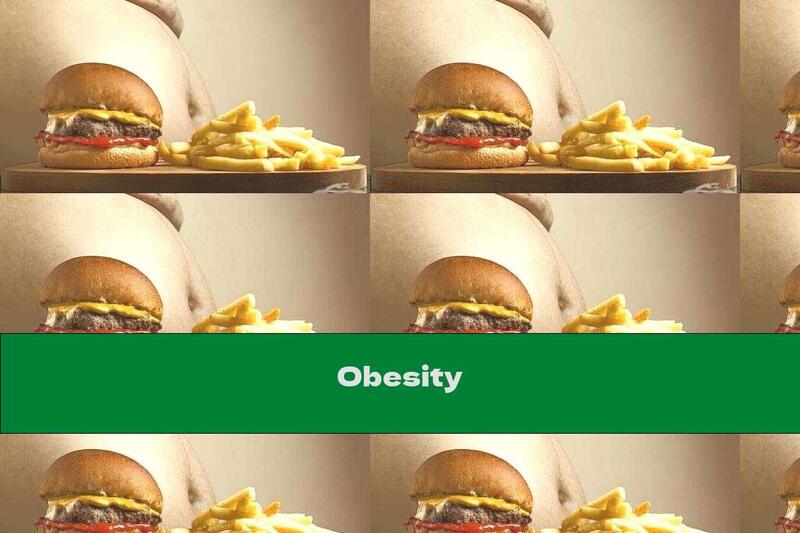
Today, one of the main social problems of developed countries is the fight against obesity. Eating overweight is important to improve health and reduce the risk of premature death.
Today, one of the main social problems of developed countries is the fight against obesity . According to statistics, on average about half of adults in economically developed countries are overweight, and the scale of the problem is growing. The main reason for this is the sedentary lifestyle of people, the increase of nervous and mental tension and stress, incontinence in food consumption (especially refined foods rich in easily digestible carbohydrates and fats). The main factor that leads to obesity(in 80-90% of cases), malnutrition remains, ie. overeating against the background of reduced motor activity. Thus, the condition of various organs and systems deteriorates, atherosclerosis and other cardiovascular diseases, diabetes mellitus, gallstones and kidney stones develop. Impaired fat metabolism is a prerequisite for the development of gastritis, gout, endocrine disorders, colds, leads to premature aging. Obesity can help the emergence of hereditary constitutional features.
For overweightit is said when the weight is 5-14% above the norm. If normal values are increased by more than 15%, then obesity is already seen as a health problem. For full vital functions of the body requires a strict quantitative ratio between incoming and consumed energy. Insufficient muscle activity should be compensated by active other activities or by adjusting the menu. It should be noted that the food consumed by modern man is characterized not only by increased energy value, but also by changes in quality. The consumption of fatty meats, refined high-calorie products (refined fats and sugar, wheat bread, pasta, pasta and confectionery) is increasing. All these foods are well absorbed by the body, help to accumulate fat, give more energy.
People prone to obesity or those who already have this problem should undergo diet therapy ( curative diet №8 ), the most important principle of which is to reduce the energy intake with food by 20-50% (by reducing carbohydrates and of parts of fat).
The diet should contain a sufficient amount of protein (not less than 90 grams per day), this is necessary to prevent the loss of tissue protein; to increase energy expenditure through the absorption of protein foods; to create a feeling of satiety.
The daily menu should include 400-500 grams of protein foods such as: meat, fish, cottage cheese, non-fish seafood, egg white. The meat consumed should not be greasy, the fish - cooked.
The amount of carbohydrates should be limited by reducing the consumption of sugar, confectionery, sugary drinks (up to 100-200 grams per day). It is preferable for the bread to be rye or wholemeal. Raw vegetables are recommended because they contain tartaric acid, which prevents the conversion of carbohydrates into fat.
The amount of fat is reduced to 80 grams. They stay longer in the stomach, increase the effectiveness of enzymes that stimulate the energy utilization of fats in the body. The percentage of vegetable (40-50%) used for food preparation (including for flavoring salads) is increasing. These fats (sunflower, corn, cottonseed oils and olive oil) contain polyunsaturated fatty acids and other substances that normalize fat metabolism; prevent fatty infiltration of the liver (steatosis); normalize the activity of blood vessels, increase elasticity and reduce their permeability. Fluids are limited to 1-1.2 liters per day, alcohol is prohibited, and table salt should not exceed 5-8 grams per day.
Spices, strong broths and sauces of meat, fish, mushrooms are not allowed, as well as smoked and salty foods. To experience a feeling of satiety are recommended low-calorie, but on the other hand in larger quantities of dishes, raw fruits and vegetables.
Feeding should be 5-6 times a day and the portions are in accordance with the rational distribution of the daily amount of products. Breakfast and lunch should be more stable than other snacks (dairy products, vegetable salads, fruits). Have dinner 2-3 hours before bedtime.
Strict control over the food consumed should be accompanied by systematic monitoring of weight, the normal value of which is one of the most important prerequisites for good health.
- Weight gain
- Why do you regain the lost weight
- How to eat to lose weight
- Five useful foods that are not suitable for weight loss