Old Onion (onion) - Composition And Useful Properties
 Author: Nia Rouseberg
Time for reading: ~5
minutes
Last Updated:
August 08, 2022
Author: Nia Rouseberg
Time for reading: ~5
minutes
Last Updated:
August 08, 2022
CHAPTERS (Table Of Contents)
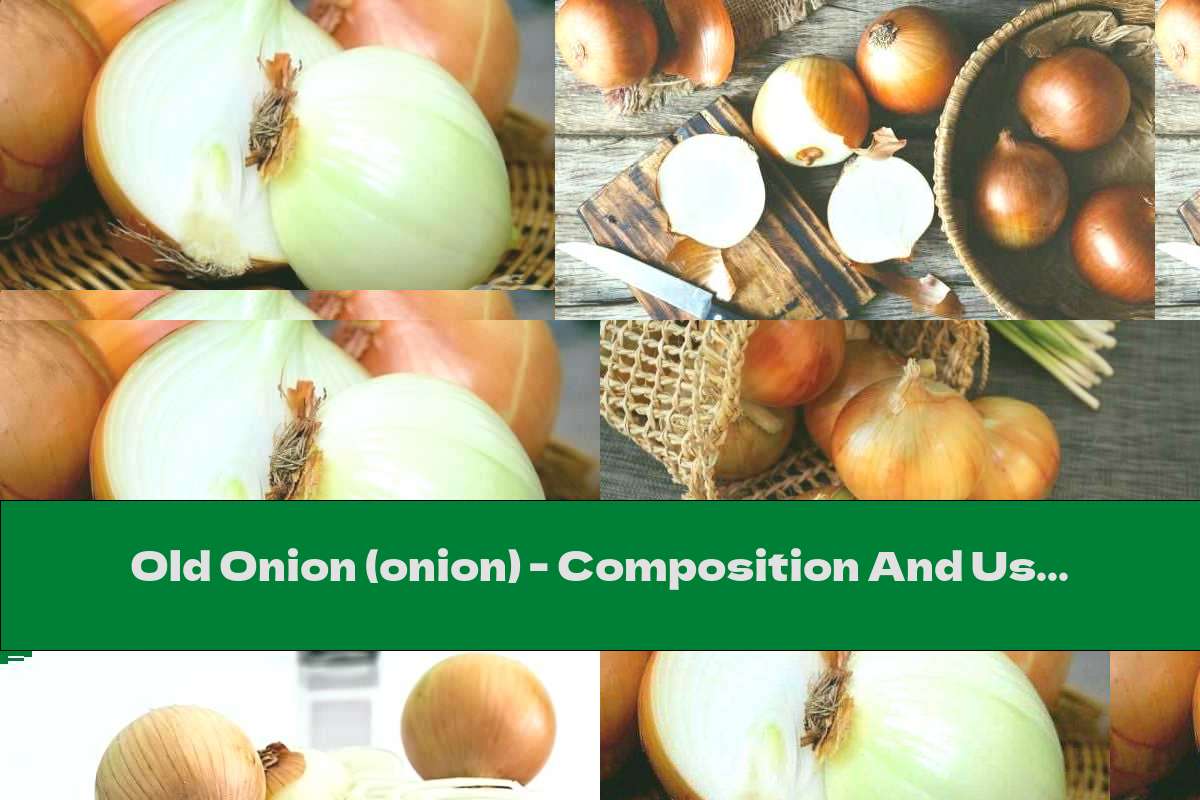
Old onions have bactericidal and antiseptic properties, fight viruses. Contains essential amino acids: valine, leucine, methionine, threonine, tryptophan. It has a strong and spicy taste, sharp smell. When cooked, the taste becomes sweet and the smell softens.
Old onions are a member of the Onion family, which includes garlic, leeks and wild onions. These vegetables contain vitamins, minerals and powerful plant compounds that have been shown to strengthen human health. The fact is that the healing properties of onions have been known since ancient times, when it was used to treat diseases such as headaches, heart disease and mouth sores. Other names under which you can find it are onions or just onions. The bulbs of the plant are mainly used after it is fully ripe, as well as its leaves when the vegetables are still young (called fresh onions or green onions). It has a strong and spicy taste, sharp smell. When cooked, the taste becomes sweet and the smell softens. Onion bulbs have a variety of shapes and are used worldwide in cooking.
Health benefits
Old onions have bactericidal and antiseptic properties, fight viruses and contain the life force of the earth. Contains essential amino acids: valine, leucine, methionine, threonine, tryptophan. Improves appetite, digestion, increases the body's ability to fight infectious diseases. It is used in gastrointestinal disorders, atherosclerosis, hypertension, general fatigue, colds, decreased sexual activity. In medicine it is used in the fight against scurvy and as an anthelmintic. Fresh onion juice, in combination with honey, is a good remedy for eyelid, bronchitis, cough and fungal skin diseases. It is also used for insomnia and rheumatism. Fresh onion puree is used against the flu, to treat dermatitis, against mosquito bites, hair loss, to remove calluses and warts. Roasted onions are used for boils, and freshly chopped - for headaches. Leek is recommended for obesity and kidney stones.
In folk medicine, onions are used to treat colds, abscesses, coughs, to heal and grow the skin, to treat and prevent atherosclerosis, colds, hemorrhoids and gastritis, toothache.
1. Rich source of nutrients
Onions are a vegetable with a high nutritional density, which means that they are low in calories and are loaded with vitamins and minerals. In a medium-sized onion there are only 44 calories and a significant amount of vitamins, minerals and fiber.
Vegetables are a rich source of vitamin C, which is involved in regulating the immune system, collagen production, tissue repair and iron absorption. This vitamin also acts as a powerful antioxidant in the body, protecting cells from damage caused by free radicals (unstable molecules). Vegetables are rich in folic acid (vitamin B9) and pyridoxine (vitamin B6), which play a key role in metabolism, red blood cell production and nerve function. Onions are also a good source of potassium, which is needed for normal cell function, fluid balance, nerve impulse transmission, kidney function and muscle contraction.
2. Keeps the heart healthyOnions contain antioxidants and compounds that fight inflammation, lower triglycerides, cholesterol levels and the risk of heart disease. Powerful anti-inflammatory properties can help reduce high blood pressure and prevent blood clots.
Quercetin is a flavonoid antioxidant with powerful anti-inflammatory properties, contained in large quantities in onions. Helps reduce the risk factors for heart disease.
Onions contain over 25 different types of flavonoid antioxidants. These are compounds that inhibit oxidation - a process that leads to cell damage and contributes to diseases such as cancer, diabetes and heart disease.
3. Contains cancer-fighting compounds
Consumption of vegetables from the onion family such as garlic and onions is associated with a lower risk of some cancers, including stomach and colon. This is due to sulfur compounds and flavonoid antioxidants found in vegetables of this family.
The onion contains a unique sulfur molecule called onionin A, which has been shown to reduce tumor growth and slow the spread of ovarian and lung cancer.
Old onions also contain fisetin and quercetin, flavonoid antioxidants that can inhibit tumor growth.
4. Maintains blood sugar controlSpecific compounds found in onions, such as quercetin and sulfur compounds, have antidiabetic effects. Quercetin interacts with cells in the small intestine, pancreas, skeletal muscle, adipose tissue and liver to control the regulation of blood sugar throughout the body.
5. Increases bone density
In addition to dairy products, many other foods, including onions, keep bones healthy. Onions are believed to help reduce oxidative stress, boost antioxidant levels and reduce bone loss, which can prevent osteoporosis and increase bone density.
6. Has antibacterial propertiesOnions can fight potentially dangerous bacteria such as Escherichia coli. In addition, onion extract has been shown to inhibit the growth of the bacterium Vibrio cholera, which is a major public health problem in the developing world. Quercetin, extracted from onions, is a particularly powerful antioxidant that fights bacteria.
7. Improves digestionOnions are a rich source of fiber and prebiotics, which are necessary for optimal intestinal health. Prebiotics are an indigestible type of fiber that is broken down by beneficial intestinal bacteria, creating short-chain fatty acids - including acetate, propionate and butyrate. Studies show that these short-chain fatty acids strengthen intestinal health, boost immunity, reduce inflammation and improve digestion.
In addition, the consumption of foods rich in prebiotics helps to increase probiotics, such as strains of lactobacilli and bifidobacteria, which are beneficial for the health of the digestive system. A diet rich in prebiotics can help improve the absorption of important minerals such as calcium and improve bone health.
Onions are especially rich in the prebiotics inulin and fructooligosaccharides. They help increase the number of beneficial bacteria in the gut and improve immune function.
8. Easily added to the diet
Onions are a staple in kitchens around the world. It can be eaten raw, fried, baked, added to salads, soups and dishes to give them a pleasant aroma and characteristic taste.
Contraindications
Onions are safe when consumed in moderation. The side effects of taking it can be:
- Skin irritation;
- eczema after skin contact with it;
- tearing of the eyes from its aroma;
- upset stomach;
- stomach pain;
- delayed blood clotting and increased risk of bleeding if consumed for treatment;
- allergic reactions (probably in people who are allergic to wild wormwood and celery);
- lowering blood sugar;
- increased symptoms in people with indigestion.
- Onion juice
- Benefits and harms of red onions
- Leek - composition and useful properties
- Green onions (feather) - composition and health benefits
Related Articles
- The Role of Sodium Methyl Para-Hydroxybenzoate in Nutrition: Preservative Properties & Health Concerns
- The Role of Functional Properties in Muffins: Nutrition, Diets, and Recipes
- The Functional Properties of Muffins in Nutrition: A Comprehensive Guide
- Nutritional Benefits of Functional Properties in Muffins: A Comprehensive Guide
- Functional Properties of Muffins in Nutrition: A Complete Guide