Pomegranate - Nutritional Value, Useful Properties And Contraindications
 Author: Karen Lennox
Time for reading: ~2
minutes
Last Updated:
August 08, 2022
Author: Karen Lennox
Time for reading: ~2
minutes
Last Updated:
August 08, 2022
CHAPTERS (Table Of Contents)
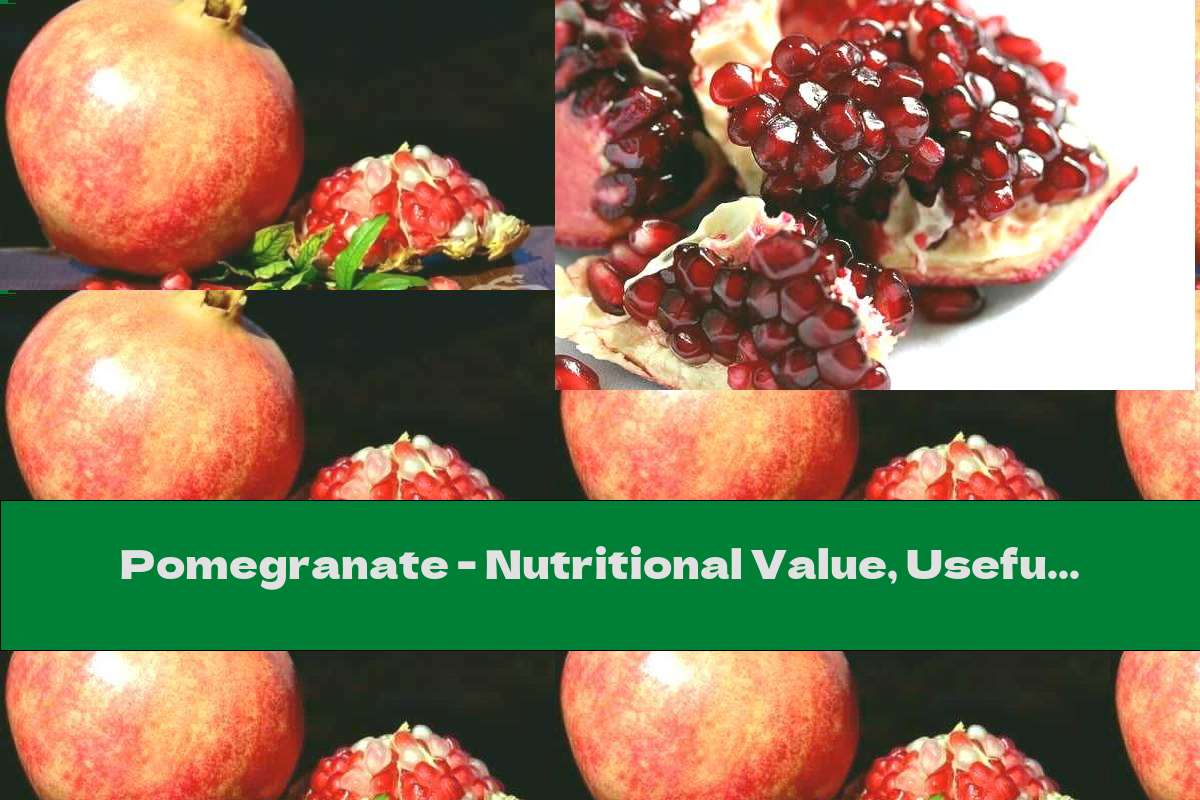
Pomegranate is one of the most fruit-rich fruits. It has a number of healing properties.
Pomegranate is an invaluable tree for man, because all its parts are used - the fruit, the peel, the bark, the leaves and the branches. There is no other fruit that contains so many vitamins, minerals and nutrients. It contains vitamins C, P, B6, B12, which are essential for the normal functioning of the body, salts of iron, potassium, iodine, silicon and 15 amino acids (so many amino acids are not in any fruit).
Pomegranate bark contains the alkaloids pelterin, isopelterin and methylpenterin, which help fight worms.
Nutritional value of pomegranate
One cup (174 grams) of useful grains contains:
- 7 grams of fiber;
- 3 grams of protein;
- 30% of daily needs for vitamin C;
- 36% of daily vitamin K needs;
- 16% of DN folate;
- 12% of DN potassium;
- 144 calories;
- 24 grams of sugar.
Useful properties of pomegranate
The most widely used is pomegranate juice. It is used for recovery after infections and operations, anemia and stomach disorders. The anti-inflammatory properties of the fruit help mainly in the treatment of burns, but also in diseases of the throat, stomatitis.
Berries are characterized by strong anti-inflammatory effects, and this is beneficial for the body because chronic inflammation is a prerequisite for many serious diseases such as diabetes, cancer, heart disease, Alzheimer's and even obesity. Pomegranate is one of the best remedies for reducing inflammation.
The fruits and peel are used in the treatment of colitis, enterocolitis, diarrhea. The bark contains substances with anti-infective properties and prevent the development of intestinal and dysenteric bacteria.
Pomegranate seeds and juice are one of the few things that diabetics can afford. With regular intake of the fruit and its juice, the level of glucose in the blood decreases. In addition to the effects on blood sugar, pomegranate also gives good results in lowering blood pressure.
There are studies that focus on reducing arthritis pain after consuming pomegranate.
In addition to all of the above, the intake of sweet and sour fruit helps to remove radionuclides from the body and is therefore suitable for those who are in areas with increased radioactivity. The juice and nipples are suitable for lowering blood pressure and people suffering from hypotension should not get carried away with their consumption.
Even the seeds in pomegranate seeds have beneficial properties - they help with hormonal imbalance. Their use can reduce headaches, but they are most often used for menstrual pain, also in severe pain during menopause.
Pomegranate has long been used in cosmetics - in the care of oily hair, as a bleach and to cleanse the face of pigmentation, acne and freckles.
Contraindications for consumption of pomegranate
Pomegranate is safe for most people, unless they have a specific allergy to the fruit.
If you have low blood pressure, the fruit may be affected by further lowering the values, so take pomegranate with caution.
Related Articles
- Fruitskewers in Honey Syrup: Nutritional Benefits and Recipes
- Nutritional Benefits of Fruit Skewers in Honey Syrup: A Delicious and Healthy Recipe
- Nutritional Benefits of Fruit Skewers in Honey Syrup: A Healthy and Delicious Snack
- The Role of Sodium Methyl Para-Hydroxybenzoate in Nutrition: Preservative Properties & Health Concerns
- The Nutritional Benefits of Salty Popcorn: A Healthy Snack Option
Top Nutrition Articles Today
- . Breakfast Pizza
- . Night Nutrition: Importance, Benefits, and Best Foods to Eat
- . The Ultimate Guide to Metataric Acid in Nutrition: Sources,...
- . Calories In A Piece Of Bread
- . Health Benefits Of Vitamin C
- . Sushi For Beginners. How Easy It Is To Spin Sushi Rolls
- . How To Cook Spicy Green Tea With Turmeric, Lemon Juice And G...
- . The Essential Guide to Nutrients in Nutrition: Importance an...
- . When Is It Better To Eat Fruit?
- . How To Cook Mini Sandwiches With Cherry Filling - Recipe